Why Certified Pima Cotton Beats Synthetic Blends for Women's Workout Comfort
October 11, 2026
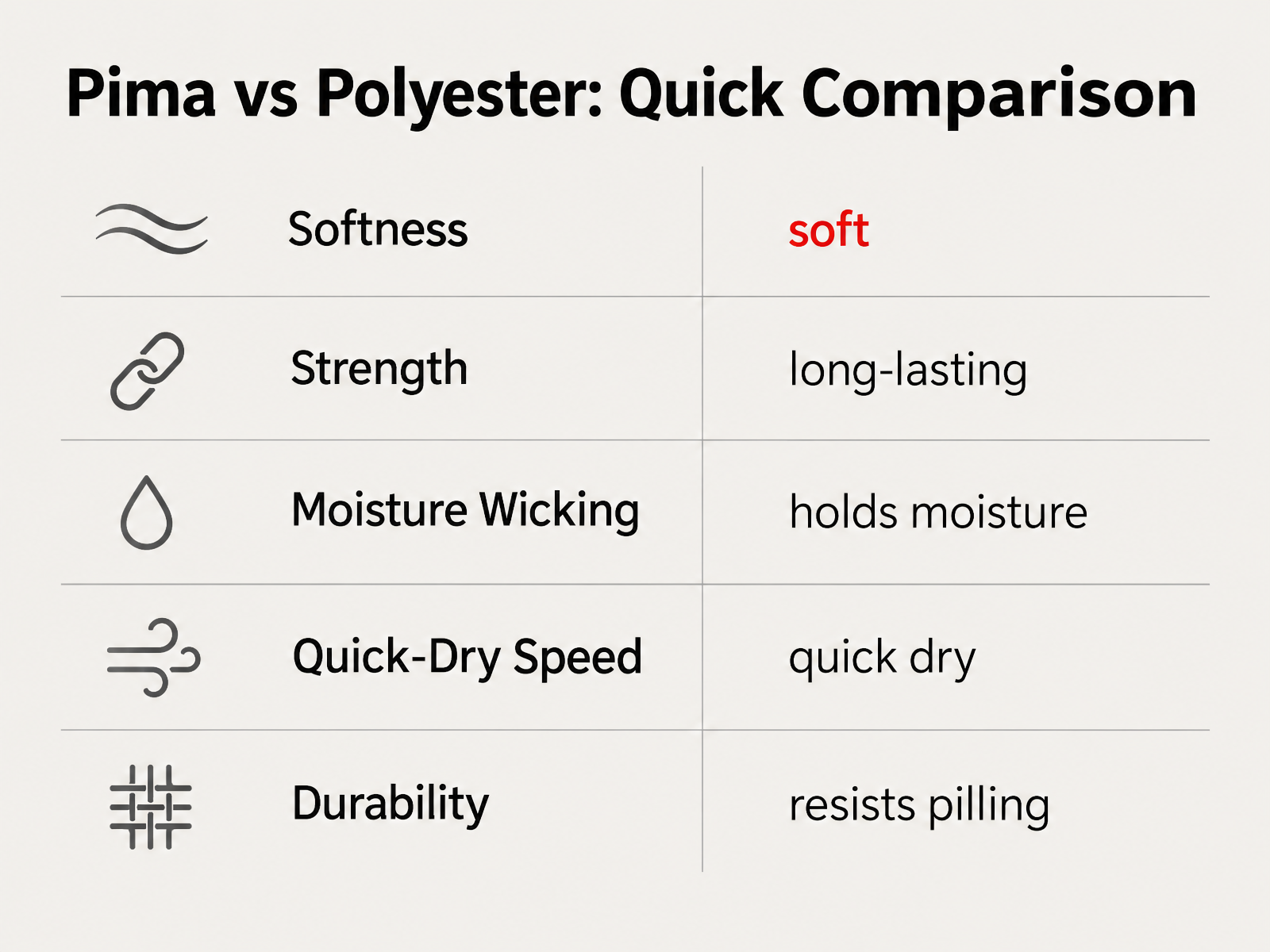
At a glance: Pima cotton makes up only 7% of global cotton production. The fibers measure at least 1 3/8 inches, compared to about 3/4 inch for standard upland cotton. That extra length gives Pima roughly 30% more tensile strength than common cotton, so it resists tearing and keeps its shape through repeated wear. Pima absorbs sweat into the fiber and dries slowly. That makes it a good match for yoga and gentle movement, but a poor one for high-intensity training. Polyester-spandex prioritizes quick drying over softness.
Why certified Peruvian Pima cotton is rare for a reason
Reach for an athleisure piece that feels good and lasts, and the label tells you less than the fabric story does. Peruvian Pima cotton has ancient roots: fabric historians have found Pima cotton textiles in Peru dating back to 6000 BC. But the modern identity of Pima is more practical than romantic. It comes down to staple length, careful sourcing, and why the origin of a fiber shapes how a garment feels after years of wear.
Why Pima cotton belongs to the rare 7%
Most cotton in the world is upland cotton, spun from shorter fibers that tend to feel coarser and break down faster. Pima sits in the extra-long staple category, a small slice of global cotton production. Longer staple gives mills more continuous fiber to work with, and that changes the yarn before the finished garment reaches your closet.
When those longer fibers are spun, they create smoother, more uniform yarns with fewer loose ends. You feel that right away: Pima fabric tends to feel smooth, is less prone to pilling, and keeps its softness season after season. Softness, though, is only half the equation.
The durability that carries you through
Longer fibers also build stronger yarns that can better resist everyday wear, the slow damage that forces activewear out of rotation. Pima cotton's absorbency and breathability make it suited for moisture-prone areas, but the best use is specific: pieces meant to feel good through yoga, wellness sessions, or casual days, not gear built for competition.
The choice between Pima and synthetics isn't about one being universally better. Choose Pima when softness, durability, and natural fiber matter most. Choose a blend when you need technical performance for heavy sweat or fast turnaround between washes.
How Pima cotton actually performs when you sweat
When you pick up athleisure for real movement and real comfort, the fabric under the label does the work. Softness and durability aren't opposites, but they often conflict in synthetic blends. Knowing what you're buying changes how long a piece lasts and how it feels against your skin.

Softness and strength: the half-inch advantage
Pima cotton's fibers are longer than standard upland cotton, and that difference compounds into something you feel on first wear. Longer fibers create smoother yarns with fewer loose threads to pill or snag. Tensile testing backs up what you feel: Pima holds up to stretching, washing, and daily wear better than common cotton.
Nylon-spandex blends are built for stretch, recovery, and a smooth synthetic hand feel. They can feel buttery soft and move beautifully, but they sit in a different performance category from natural cotton. Polyester-spandex is often chosen when brands care most about performance speed, wash-and-wear convenience, and printed designs, though newer polyester fabrics have gotten softer through brushing and finer fibers.
Moisture and odor: what happens when you sweat
Moisture is where fabric personality gets obvious. Cotton absorbs sweat into its fibers instead of moving it away from your skin, so it feels settled during gentle yoga, stretching, or relaxed studio movement. Polyester absorbs very little water, so sweat spreads across the surface and evaporates faster, which explains why gym wear and running gear lean that way.
Odor is more nuanced. Polyester's odor story is more mixed, which complicates the myth that all synthetics trap odor equally.
Common blends and what they trade off
| Blend Type | Typical Makeup | Best For | Trade-off |
|---|---|---|---|
| Cotton-Spandex | Cotton with stretch | Everyday comfort, light movement | Slower drying, lower durability for intense wear |
| CVC Blend | Cotton-polyester mix | Balanced softness and performance | Slightly costlier than pure cotton |
| Tri-blend | Cotton, polyester, and rayon mix | Soft drape with some durability | May feel less natural than pure cotton |
| Polyester-Spandex | Polyester with stretch | High-sweat workouts, quick drying | Less natural feel, can feel warmer |
| Nylon-Spandex | Nylon with stretch | Premium activewear, intense activity | Synthetic feel rather than natural cotton softness |
Pure Pima lands on the softness-and-natural-fiber end of that table. It has a bit of natural give, so you get range of motion without relying on synthetic additives. Synthetic blends win on engineered performance, but if skin feel matters to you, pure Pima is the quieter alternative.
Why Black Pearl Yoga Wear builds around Pima
When you build a wardrobe around athleisure, fabric shapes how a garment moves with your body, how long it lasts, and how it feels through a full day of wear. The central tension is simple: natural fibers like Pima cotton deliver softness and breathability that synthetics often struggle to match, while technical fabrics are designed around athletic output.
The difference shows up in how you live in the piece. A synthetic legging may be the right tool for hard training, but our focus is the piece you keep reaching for before class, after class, while traveling, and during the ordinary hours when comfort matters just as much as performance.
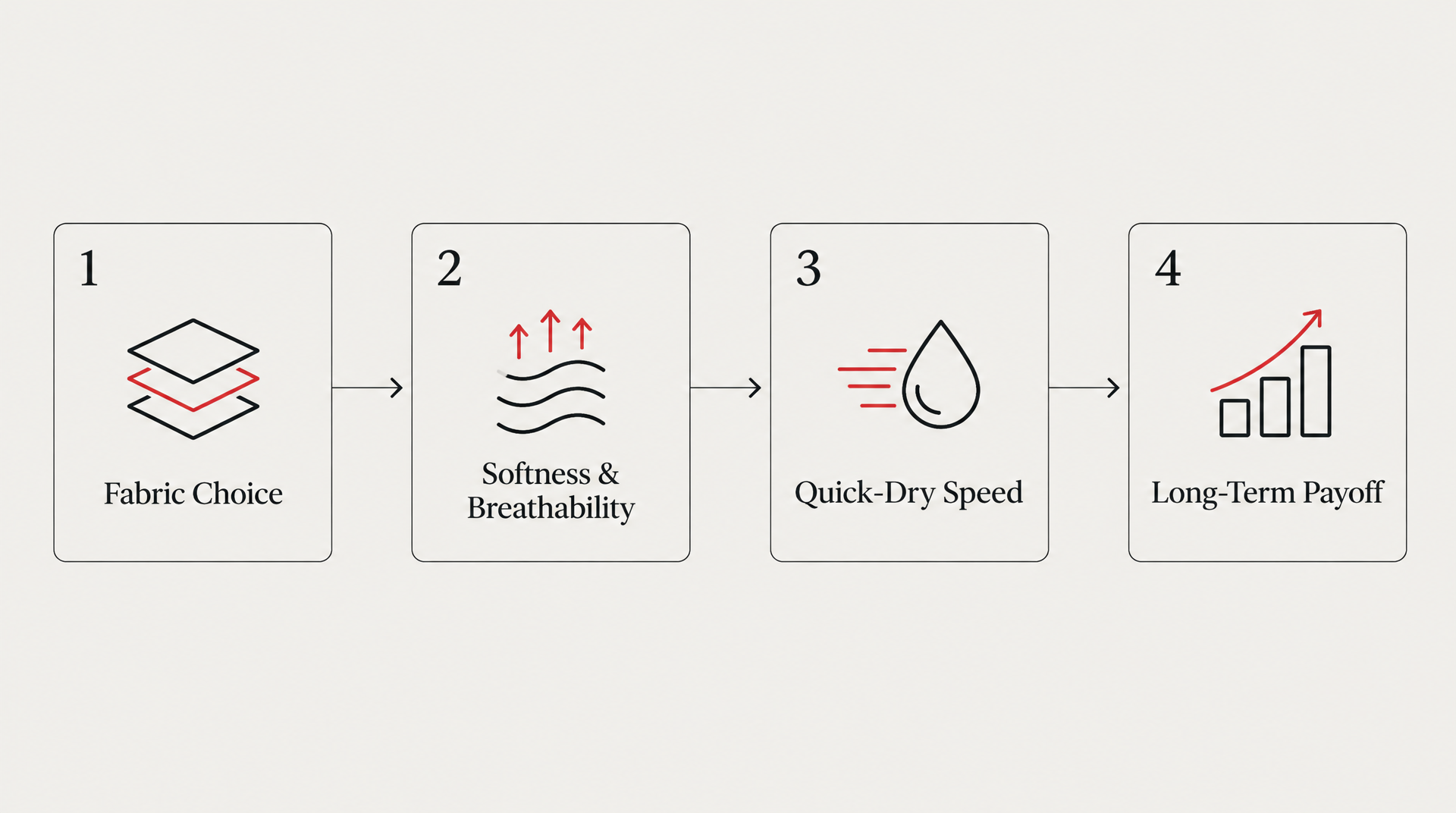
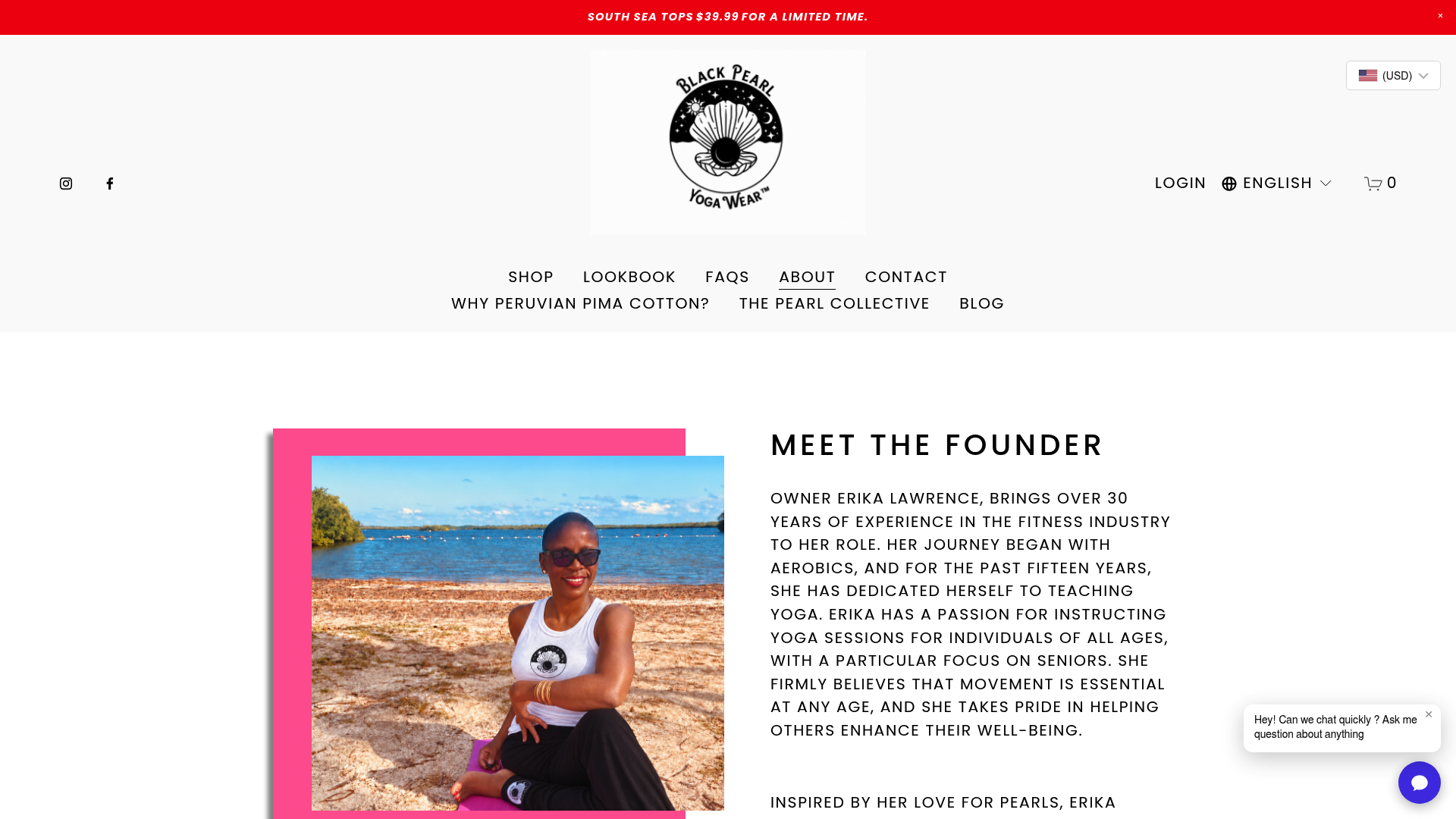
For us, the choice is clear. Black Pearl Yoga Wear states that it uses 100% certified Peruvian Pima cotton, and we've committed to that fiber because the long-term payoff matters. You're choosing a garment that feels softer with wear, is designed to hold up to regular use, and breathes naturally against skin. As with any certification claim, check the current certification details before you buy. That means choosing comfort with intention, a piece that improves over time and feels better the longer you own it. That's what we've built around.
Pima cotton or synthetic: how to pick
Choosing between a Pima cotton piece and a polyester blend starts with your activity level and how you want the fabric to behave. Both materials make sense for different workouts and wear patterns.
Pima cotton: softness with a backbone
Softness is where Pima makes its boldest promise. The extra-long staple creates smoother yarns with fewer loose fibers that cause scratchiness or pilling. You notice it the first time you pull a piece on; it feels more refined against skin than standard cotton.
The hidden strength is what keeps you wearing it over time. Pima's longer fibers produce stronger yarns that maintain their integrity through months of wear. That strength-softness combination is uncommon, since many natural fibers trade one for the other.
The catch: Pima cotton is not a technical sweat-management fabric. It works best when placed strategically, not used head-to-toe for heavy sweating or high-intensity activity. A Pima tank for yoga or casual wear shines. A full Pima kit for a spin class won't keep you as comfortable as a technical synthetic one.
Pima excels for low-intensity workouts where comfort matters more than speed. It suits the kind of movement you reach for again and again because it feels good and lasts.
Synthetic blends: speed and stretch when you need them
Polyester and polyester-spandex blends do one thing especially well: they manage sweat during high-output sessions and are easy to care for. During a hard workout, moisture moves through the spaces between fibers and spreads across the surface instead of sitting heavily in the fabric.
Nylon-spandex blends offer excellent stretch and recovery. Polyester-spandex is often chosen for printed leggings and activewear because it holds color vibrancy and resists fading. These materials bounce back reliably after compression and repetitive movement.
The trade-off is feel. Synthetics generally feel less refined against the skin than Pima. You're choosing engineered performance over that whisper-soft natural touch.
A practical checklist for choosing
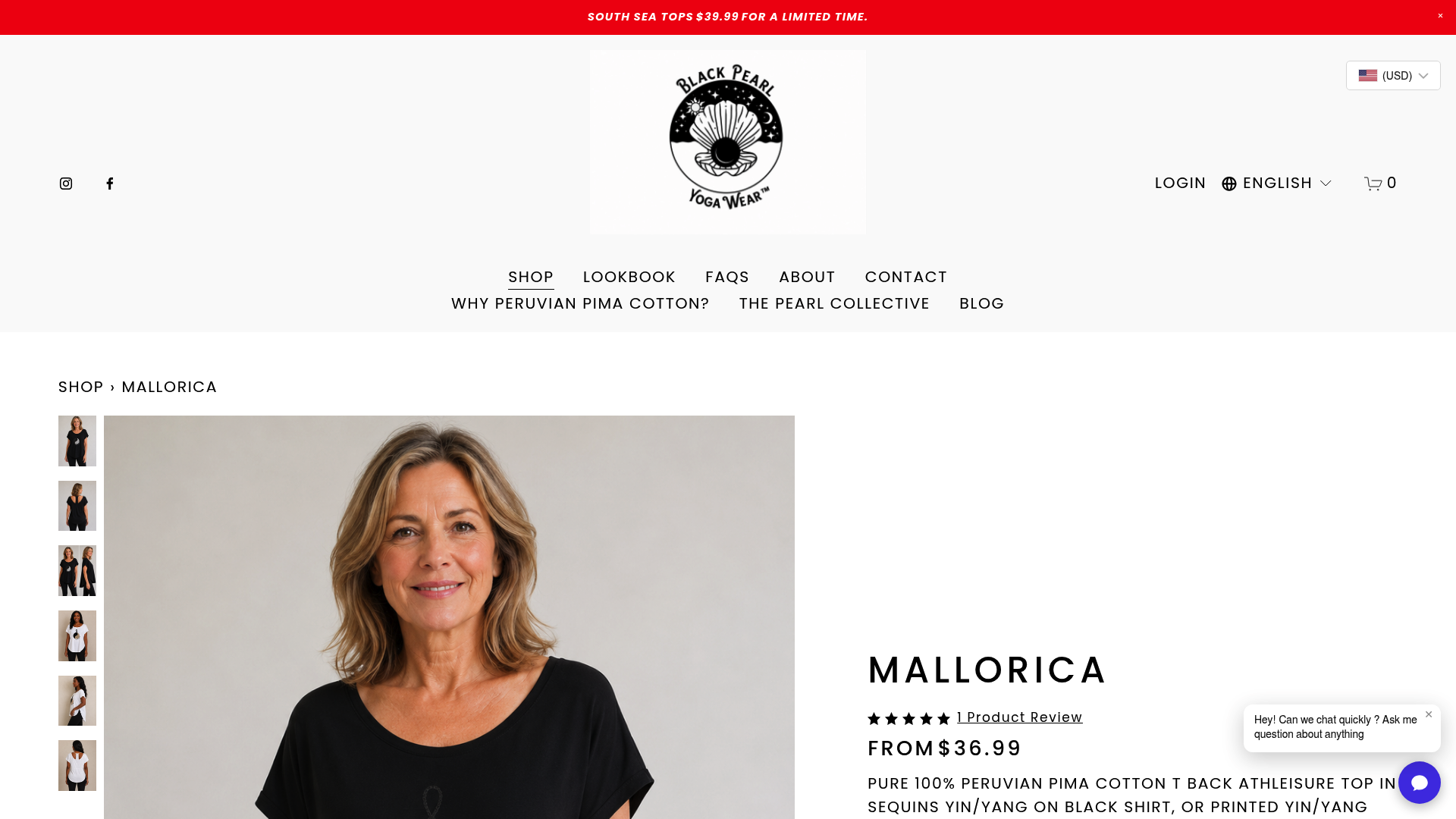
Choose pure Pima cotton for fitted pieces or everyday athleisure when you're doing gentle movement like yoga, stretching, or walking; you prioritize how fabric feels; you want a piece that holds up over time; and you don't need technical sweat management. It's ideal for pieces that move from studio to coffee shop to home.
Choose synthetic blends when you're training hard with running, cycling, or HIIT; you sweat heavily; you need the garment ready again quickly; you want maximum color vibrancy or printed designs; or you're building activewear specifically for workouts. A polyester-spandex legging handles intensity. A Pima tank handles life beyond the gym.
Choose a blend if you want some Pima softness with some synthetic performance, but be honest about what you're giving up. Cotton-polyester blends offer a middle ground, though they may not excel at either property compared to specialty fabrics. A blend works best when one component complements the other's weakness rather than diluting both strengths.
Check the fiber label before you commit
Before you commit to any piece, read the fiber content label carefully. "Pima" without a regional qualifier, "extra-long staple," and generic "premium cotton" claims vary widely in actual quality. Reputable brands specify fiber origin, whether Peruvian, Californian, or Australian, and can talk about their sourcing practices. Ask whether they run independent testing for fiber length and tenacity. Those tests measure whether the cotton truly delivers the strength and softness you're paying for. Verification protects your investment because durability depends on the fiber itself, not the marketing language.
What we'd actually reach for
Fabric choice separates the piece you tolerate from the one you love. Pima cotton's value isn't that it behaves like a synthetic performance fabric. Its value is that it feels better on skin, wears beautifully over time, and brings natural softness to the moments when comfort matters most.
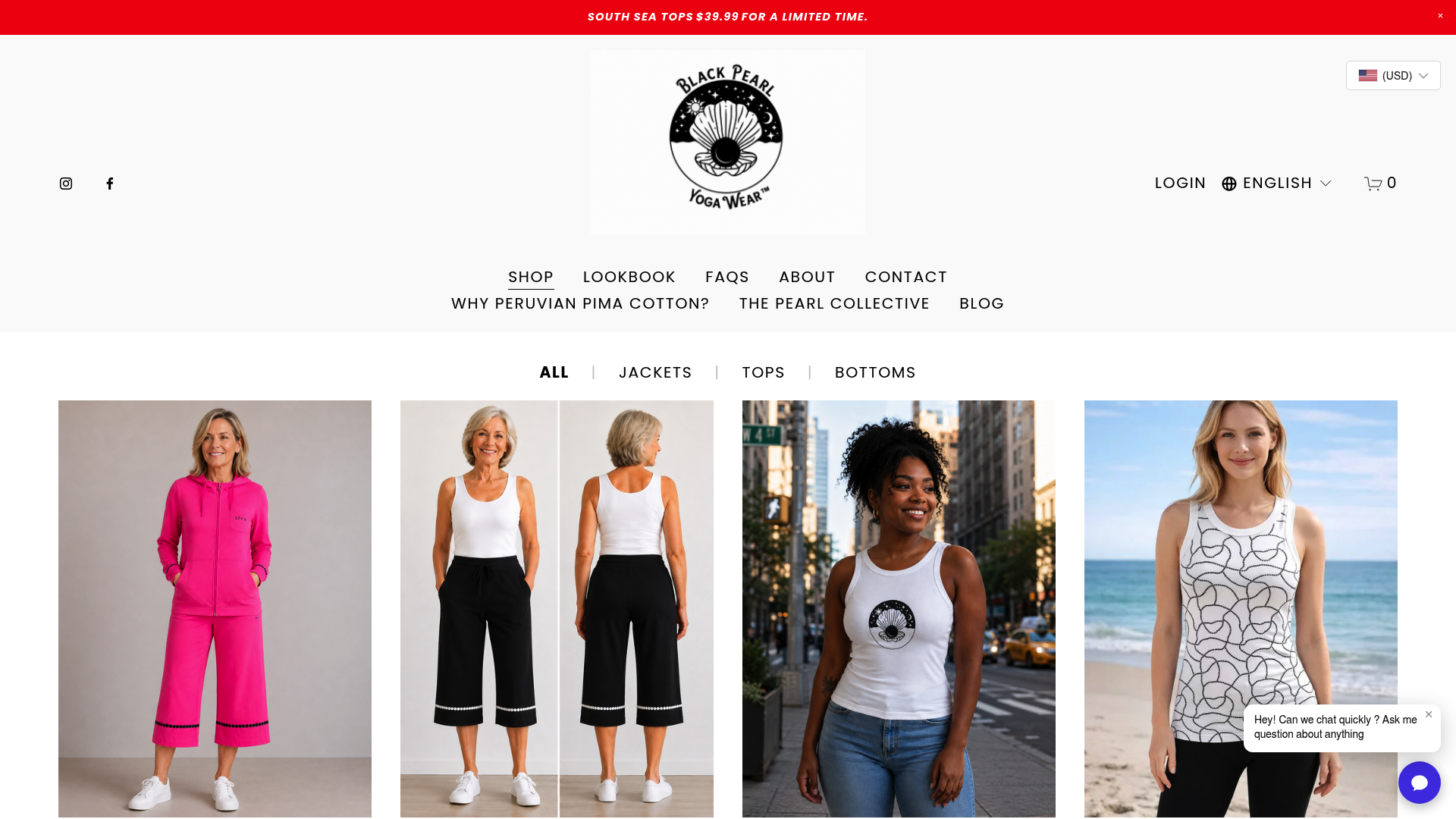
That makes the decision less complicated than it first appears. Reach for synthetics when the workout is demanding enough that moisture management becomes the priority. Reach for certified Peruvian Pima cotton when you want softness, breathability, and a refined natural feel that carries from movement into the rest of your day.
For your closet, think in layers. Pima cotton works as the comfort piece on lower-intensity days or as what you change into after a hard workout. Pair it with synthetic pieces for your hardest sessions, and you have a rotation that covers the full intensity range.
The honest choice depends on what you're actually doing that day. Check the fabric details before you choose, because the right material changes how you feel in the piece.
References
[1] What is Pima cotton and how is it different? - Fair Indigo - https://www.fairindigo.com/blogs/news/what-is-pima-cotton-and-how-is-it-different?srsltid=AU7gw4XDJwwZUwebCyyKxzCHIj5UMPXkIX2_PC8MhesrDN2VG89KWto_
[2] What Is Pima Cotton Fabric? How It's Different - Numi - https://wearnumi.com/blogs/women-undershirts/what-is-pima-cotton?srsltid=AU7gw4Un_nRTzJQ4d7vpnTlNkRJOsLQsAWzQbkRk5VYH3BfTJ28VhwQs
[3] I Tested Natural Fiber leggings: Cotton vs Wool vs Bamboo! - YouTube - https://www.youtube.com/watch?v=wnw3uvxNp4I&vl=en
[4] Cotton vs Polyester for Activewear: Which Fabric Is Better? - https://fabricandflow.com/blogs/news/cotton-vs-polyester-for-activewear?srsltid=AU7gw4UrU_svn6AGiZySa949mUjULISTyz_ApiaLfHQd4NuvbGxTwxs2
[5] Polyester vs Cotton vs Blends: How To Choose The Best T-Shirt Fabric - https://www.rushordertees.com/blog/cotton-polyester-5050-blend-which-better-you/?srsltid=AU7gw4Waqfc7YAR7JCrZN_0ttgFSYjVI8NQRhF254e-7KWTLr1cf4AcE
[6] Natural vs Synthetic Athletic Wear | tasc Performance - https://www.tascperformance.com/blogs/news/performance-comparison-how-natural-vs-synthetic-athletic-wear-stacks-up?srsltid=AU7gw4U01JG8hYYltuJwAl2xPtxhVjWe6uXFaPTFJj3TuFMWnsshFK8X
[7] Nylon Spandex vs. Polyester Spandex vs. Cotton Spandex: Which Blend Is - https://sportek.com/blogs/news/nylon-spandex-vs-polyester-spandex-vs-cotton-spandex-which-blend-is-best-nylon-spandex-vs-polyester-spandex-vs-cotton-spandex-best-blend-you?srsltid=AU7gw4VOV3unsnYkRRBMpDjkOMd90NzI6vxXFDSaOhO4GsMIE_C2Yt4K)
Common Questions
Is Pima cotton actually worth the higher price for everyday wear if I'm not doing intense workouts?
Yes—if your priority is comfort you can feel and durability you can notice over time. Pima cotton is best for pieces you wear repeatedly: yoga tops, fitted athleisure, travel layers, and everyday staples that sit close to the skin. The value comes from longevity and feel, not from trying to replace technical gym gear.
Can I wear Pima cotton during high-intensity exercise, or will it really feel that much heavier when saturated with sweat?
You can wear it, but it is not the best tool for hard training. Pima cotton is most comfortable when moisture buildup stays minimal, such as during yoga, stretching, walking, or casual wear. For running, cycling, HIIT, or very sweaty classes, a synthetic performance layer will usually feel lighter during the session.