Certified Pima Cotton Athleisure: What the Label Actually Guarantees
October 1, 2026
The Short Version
- Certified Pima guarantees extra-long staple fiber that creates softness and durability, not organic growing methods or sustainability claims.
- Pima cotton is a small share of global cotton production, which helps explain its premium pricing compared with standard upland varieties.
- Organic cotton certification speaks to how the crop was grown; it does not automatically mean the fabric will feel smoother or last longer.
- Three label types matter most: Supima requires US-grown cotton and lab testing, GOTS verifies organic inputs, while bare "Pima" lacks enforcement.
- Peruvian Pima traces to indigenous varieties cultivated for thousands of years before University of Arizona researchers adapted the seed in the 1940s.
What You're Really Buying When You Read the Label
You've stood in front of a clothing tag, reading the word "organic" and assuming it meant softer, kinder, better. We've been there too. The truth is quieter: the label on your organic athleisure promises one thing, and the feel against your skin promises another.
Here's what we've learned sorting fiber claims for women's activewear. "Organic" tells you how the plant was grown. It says nothing about softness, durability, or whether your money reached the woman who farmed the cotton. Certified Pima earns its hand-feel from long fiber length, and when that fiber is traced from a Peruvian field to your cart, the purchase can support the farming community that grew it.
What the certified Pima label actually guarantees
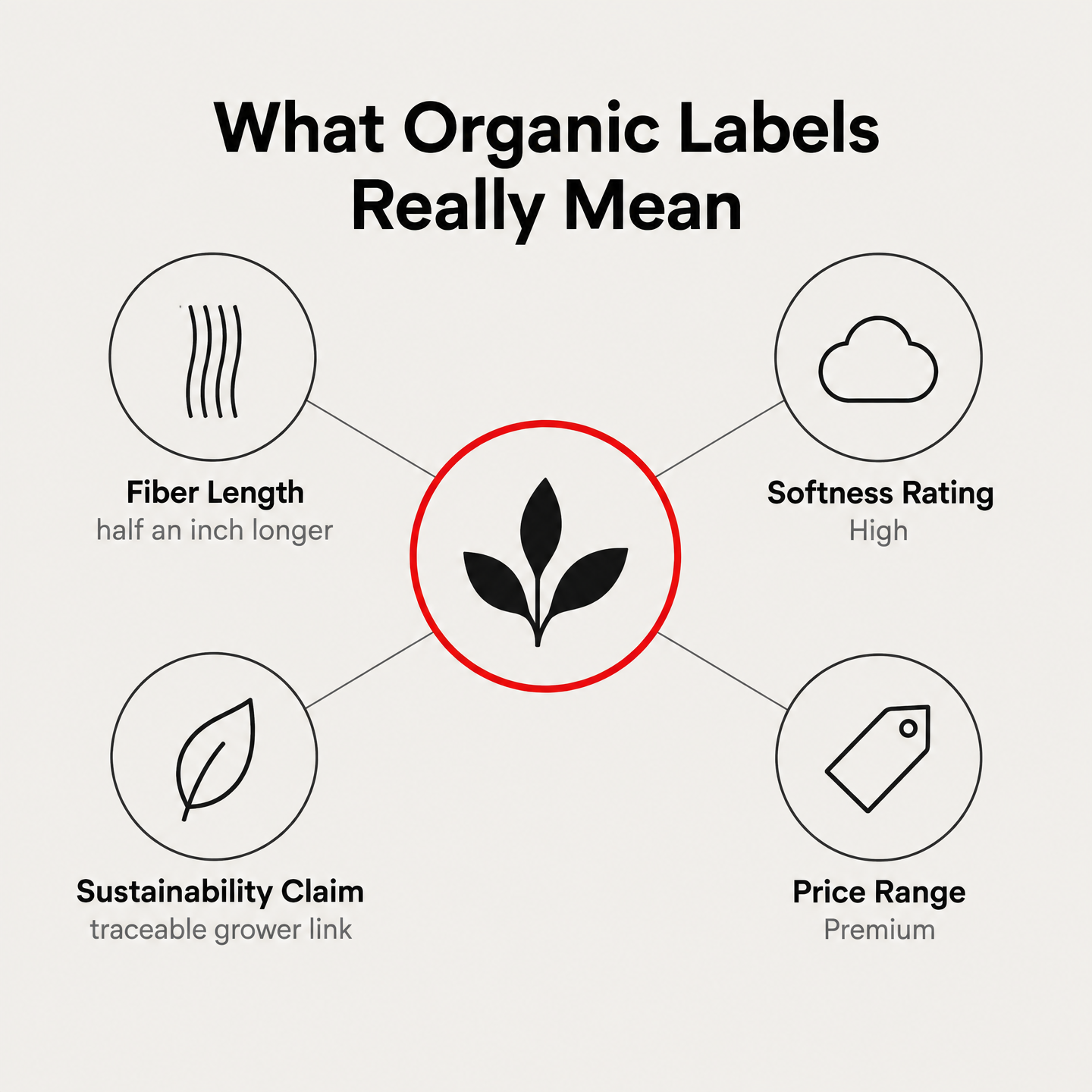
Certified Pima guarantees fiber identity and purity, not organic growing methods. It confirms the cotton is extra-long staple, the trait that drives softness and strength. A traceable program adds a documented chain back to the grower.
| Label | Fiber Length | Softness Rating | Sustainability Claim | Typical Price Range |
|---|---|---|---|---|
| Certified Peruvian Pima | ~1.4–2 in (long/ELS) | High | Longevity + traceable grower link | Premium |
| Supima (US-grown Pima) | Extra-long staple | High | Audited US supply chain | ~3x regular cotton |
| GOTS organic | Often short-staple | Lower | Verified organic input (70%+) | Medium to high |
| Generic "Pima" | Unverified | Varies | No enforced standard | Varies |
| Standard upland cotton | ~1 in | Low | None | Low |
Which certification bodies actually appear on the tag
Three names carry real weight, and they do different jobs. Supima is a trademark from a US nonprofit requiring 100% American-grown Pima and independent fiber testing, as SÖMNAD's lab breakdown explains. GOTS verifies organic input and labor conditions across processing, per SANVT's cotton comparison. A bare "Pima" word carries no certification at all, which W.ELL Fabric states plainly: "For brands using Pima cotton, there is no specific certification."
Read which certification, not just whether one exists. If farmer impact is your reason for buying, the traceable grower link matters more than the word on the front of the tag. That's why our pieces are made in Peru from 100% certified Peruvian Pima cotton, so the fiber is traced from field to cart.
The benefits and the trade-offs
The benefits trace back to fiber length. Pima strands run about half an inch longer than regular cotton, and that extra length spins into smoother, stronger yarn. As W.ELL Fabric notes, Pima is "the most durable among different cotton types," which means pieces that resist pilling and hold their shape through repeated washes.
- Breathability: finer yarn packs into a lighter, airier knit, designed to move air against the skin.
- Durability: fewer loose fiber ends mean less fuzzing at waistbands and underarms.
- Skin-friendliness: smooth long fibers feel gentle, a quiet win for sensitive skin.
The trade-offs are honest ones. Scarcity raises the cost. And skip the "organic equals softer" assumption. You're paying for verified fiber performance and a traceable grower link, not a feel-good badge.
Why Certified Pima Cotton Matters
You pull on a pair of leggings for a long day. School run, Zoom calls, a walk that turns into errands. What you want is softness that lasts and a purchase that means something. That's the quiet promise behind certified Pima, and it's why we build our pieces around it rather than chasing the vague glow of a generic label.
Most organic athleisure marketing puts the greenest-sounding word in the largest type. But a label can be accurate and still incomplete. Certified Pima works from a different starting point: it verifies the fiber itself. And when that fiber is traced back to a specific Peruvian field, your cart becomes a line that reaches a real farming community.
"Pima" alone guarantees nothing
Walk into the fine print and you find a gap. For brands using the plain Pima label, there's no specific certification; the word just names a type of cotton. Growers in different regions adopted the term to ride the reputation it earned, which is why the label alone doesn't guarantee origin or quality.
That creates a three-tier reality. Unregulated "Pima" claims sit at the bottom with zero verification. Trademark programs like Supima add audits and supply chain checks but require U.S.-grown cotton. Since no single universal Pima standard exists, where the cotton comes from becomes your best proxy for trust. For us, that place is Peru.
Peru is where this cotton comes home
The native Pima plant is indigenous to northern Peru, with fabric found there dating back thousands of years. When University of Arizona researchers in the 1940s adapted the seed for American soil, Peruvian scientists on that project took their knowledge home and found the seeds grew even better in Peruvian ground.
Hand-harvesting there keeps the fiber a notch purer than machine-picked crops. That matters two ways. The fabric feels smoother and resists pilling. And hand-work means jobs, including for the women who tend and pick these fields. Buying this cotton is designed to send value back along that chain, something we care about because certified Peruvian Pima is only as honest as the hands behind it.
Why this beats chasing the organic badge
Organic cotton is grown kindly, no argument. But most organic cotton has shorter fibers, which can mean lower fabric quality and garments that wear out sooner. Pima's extra-long staple gives it higher strength potential, and that strength compounds when a piece is worn, washed, and folded back into rotation week after week.
A garment you keep is a garment you don't send to landfill. That's sustainability through longevity, not just a farming label. When the long-staple fiber, the Peruvian source, and fair hands all line up, your leggings do more than feel good against your skin. They keep a promise all the way back to the field.
What the Certified Label Guarantees: Quality & Performance
You run your hand down a new pair of leggings and you can feel the difference before you read a single tag. That feeling is what the certified Pima label is actually promising. Not a vibe. A measurable fiber.
In organic athleisure, the most useful question is not "Which label sounds cleanest?" It is "Which claim can be verified?" We build around certified Pima because the guarantee shows up in your hands after a year of wear, and because tracing that fiber back to a Peruvian field lets your purchase reach the women who grew it.
Fiber length is the whole game
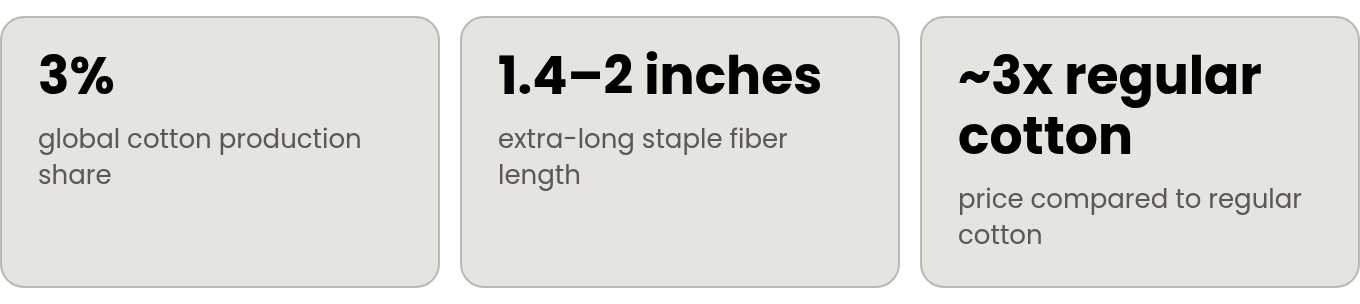
The softness you feel starts with staple length. Pima fibers typically run around 1.4 to 2 inches versus roughly 1 inch for upland cotton. That extra length means fewer loose ends poking out of the yarn, which is why Pima resists pilling and scratch.
Length also buys strength. Extra-long staple cotton spins into stronger, more flexible yarn. For leggings that stretch and get washed weekly, that strength is what keeps the shape instead of letting it sag.
Rarity is part of the price, but performance is the reason the label earns attention.
A certified label guards the processing, not just the plant
Long fiber can be ruined before it ever becomes fabric. Original Favorites notes that premium Pima is ginned on slow roller gins that gently separate fiber from seed, while regular cotton gets torn apart by high-speed saw gins. Buy on fiber content alone and you miss half the story.
Generic "Pima" carries no certification requirement at all, as Somnad lays out. A real certified program audits the chain from field to finished garment. Fiber content and processing have to be verified together, or the softness you paid for quietly degrades.
Durability is where the real value lands
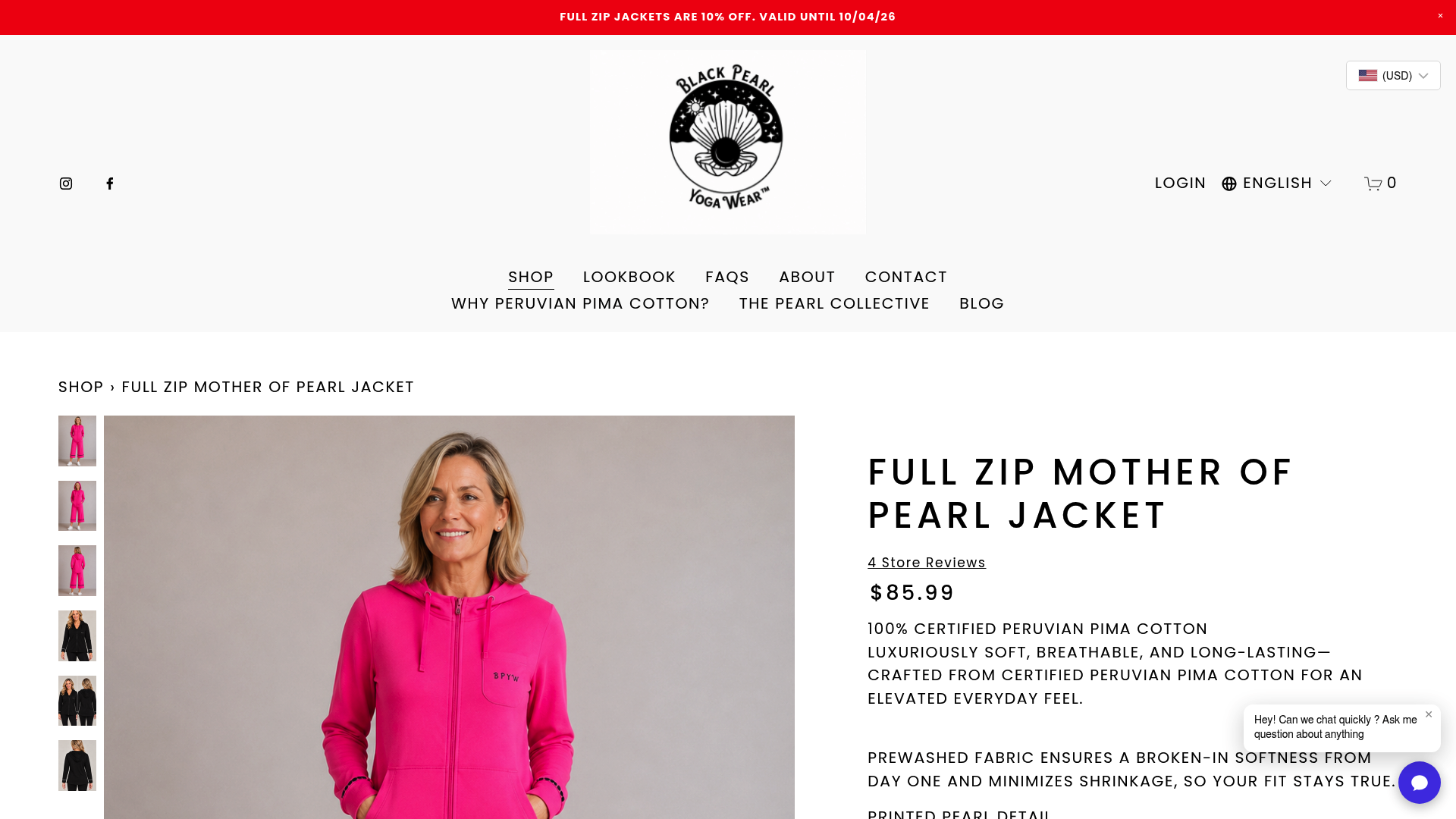
Longer, smoother fibers keep fabric soft and strong through repeated wear. Fewer stray fiber ends work loose during movement, so the fabric resists the fuzzing and thinning that shows up at high-friction spots. A piece still looks good after dozens of workouts instead of heading to the donation bin.
That longevity is the quiet form of sustainability, SANVT argues: a garment that lasts isn't headed to landfill.
One honest limit. If you want cotton grown without synthetic pesticides, certified Pima alone won't promise that. Look for a separate organic mark like GOTS. For shape retention and feel over years of wear, though, certified Pima is the stronger buy.
And when that fiber is traced to Peru, where hand-work still plays a role in the harvest, the guarantee carries further. The woman who farmed it is part of what your label protects. For more on this, see our breakdown of certified versus organic labels.
Environmental & Social Guarantees Behind the Label
You pick up a pair of leggings and think about softness. Fair. But the label is carrying a second promise, one you can't feel with your fingers: who grew the fiber, how the land was treated, and whether the woman in the field got paid fairly for it. That's the part we care about most, because it's the part that's easy to fake.
A green leaf logo can be helpful, but it is not the whole map. It may tell you about synthetic pesticide use. It may not tell you about wages, water, fiber handling, or whether the processing chain respected the cotton at all. Certified Peruvian Pima cotton carries a documented standard behind it, one that verifies the fiber itself and can connect the finished garment back to its source.
The certification that covers people, not just plants
Most eco-labels stop at the soil. The ones worth trusting keep going. The GOTS organic textile standard certifies the entire supply chain, from raw harvest through socially responsible manufacturing to the final label. That matters because "grown clean" and "made fairly" are two different claims, and shoppers get sold the first as if it covers the second.
Social safeguards live in a separate layer. Standards like SA8000 and Fairtrade exist specifically to push back against poverty for the farmers and workers who sit at the bottom of the cotton chain, as one wholesale certification page lays out. Safe conditions, fair wages, no sweatshops. For the women farming Pima in Peru, that's the difference between a sale and a livelihood.
Why processing can quietly break the promise
Fiber integrity isn't settled at harvest. It can be wrecked at the gin. This is why processing belongs in any serious conversation about cotton quality, not as a footnote after the farming story.
Put the supply-chain pieces side by side and the problem becomes obvious. A carefully grown crop can still produce mediocre fabric if rough handling weakens the staple before spinning. A real quality guarantee has to account for both the growing method and the processing chain. Fiber content on its own is only half the story. As one organic wholesaler puts it, organic must carry "from dirt to shirt", and we'd add: through the gin, too.
Where this fabric doesn't belong
A caution, plainly. If you want leggings for sprint intervals or hot studio sessions, cotton isn't your friend. It absorbs sweat instead of wicking it, and the more cotton you pack in against elastane, the less the fabric moves with you, as The Good Trade's testers found.
We're honest about the fit. Our Pima pieces are designed for the long, layered day: errands, travel, desk hours, gentle movement. If you want to understand the label math before you buy, our guide on certified versus organic cotton walks through it. The guarantee you're paying for reaches a Peruvian field, and the women working it.
Health & Skin Benefits of Certified Pima
You know that itch. Halfway through a workout, a seam starts rubbing, and suddenly all you can think about is the waistband digging into your skin. We hear about it constantly, and it's usually the fabric, not you.
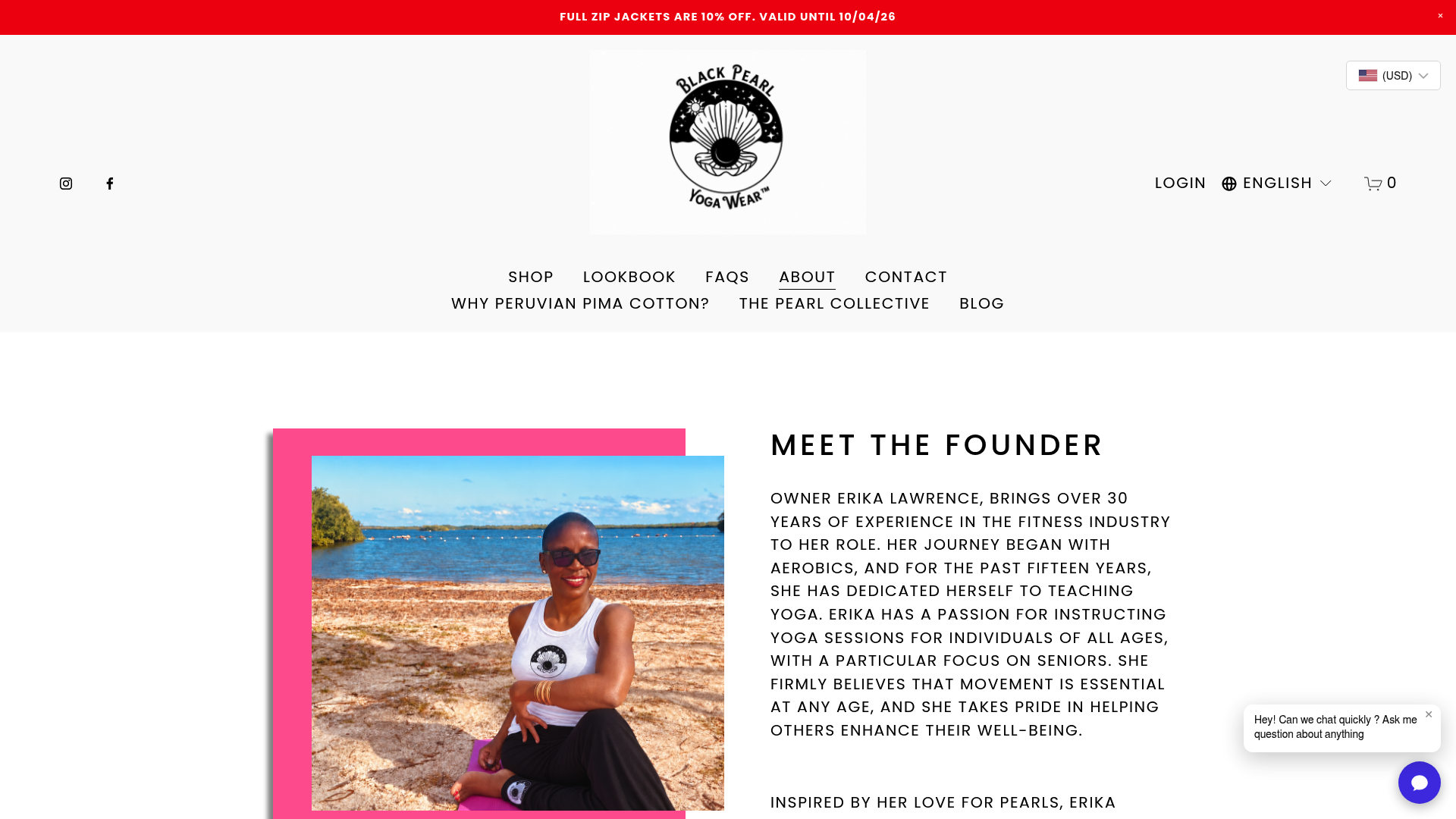
The skin benefits people chase in organic athleisure come from two separate things that marketing tends to blur together: how clean the fiber is, and how the fiber actually sits against you. Long-staple Pima answers the second question in a way shorter cottons can't. Certified Peruvian Pima cotton, the fiber in our pieces, earns its comfort from those long, smooth strands.
Fewer chemicals means fewer flare-ups
Leggings press against your skin for hours. That close contact is exactly why chemical residue matters. As The Good Trade's testers point out, choosing a fabric with fewer chemical treatments can help avoid the skin irritations that come with heavy processing.
These are synthetic coatings linked to skin and fertility concerns, and they show up in plenty of conventional activewear. Cotton grown and processed without them simply gives your skin less to react to.
This is where certifications earn their keep. A chemical-free processing standard tells you the fiber wasn't drowned in finishing agents on its way to you. For women with sensitive skin, that's not a luxury. It's the difference between a comfortable day and a red, angry waistline.
Smooth fiber beats scratchy fiber
Fiber length does more than make cotton feel soft. It changes how the surface touches your skin. Longer staples mean fewer loose fiber ends poking out of the yarn, so the fabric glides instead of scratching.
That matters most where skin meets seam. Chafing happens when a rough surface drags across the same spot over and over. A smoother, longer-fiber fabric reduces that friction, which is why Pima feels gentler on a long walk than a coarser blend. If you've ever finished a session with raw patches at the thighs, you know the fabric was fighting you.
Where Pima is the wrong call
We'll say it plainly: skip pure cotton for high-intensity, high-sweat training. Cotton holds moisture during hard efforts, so a supposedly soft fabric can become heavy, clingy, and irritating once the pace climbs. Wet fabric plus friction is a chafing recipe, not a cure.
The honest picture: the gentlest-on-skin cotton still belongs to low-sweat movement, daily wear, and recovery days, not sprint intervals. For pieces designed to hold their shape while keeping that hand-feel, a small percentage of elastane or spandex is common in cotton activewear. That balance is covered more fully in our guide on certified versus organic Pima.
Softness matters. So does knowing the fiber behind it is certified.
How to Spot Authentic Certified Labels
You're holding a tag that says "Pima," and you want to know if it's telling the truth. Fair question. We get it from customers all the time, because the word alone carries no guarantee. Shopping for organic athleisure gets easier once you stop treating adjectives as proof. Real certification only lives inside specific programs.
Certified Pima lives only inside a program
There is no universal Pima stamp. What you get instead is a market divided by verification: claims with no backing, trademark systems that audit the chain, and traceability programs that can document where the cotton moved. Trademark programs earn their weight through testing. One U.S. program ties its label to independent fiber testing for staple length and origin. Another uses patented DNA tracking to tag, track, and test cotton from farm to store. Trust the program, not the word.
Chase the logo and the number, not the adjective
Vague beats specific when brands want to greenwash. "Premium cotton" with no certifier mark is the clearest red flag we know. If a tag can't name its standard, it isn't carrying one. Run this quick check before you buy:
- Named certifier, not a vibe. Look for OEKO-TEX or GOTS wording, which certify the whole supply chain, as Original Favorites documents. A green leaf with no body behind it is decoration.
- A certification number you can look up. Legitimate programs publish license or standard IDs. If you can't find the brand in the certifier's database, treat the claim as unproven. Cross-reference the license number against the issuing body's public registry before assuming authenticity.
- Processing honesty. Fiber content isn't the whole story. The label should explain how the cotton was protected from field through mill, not just announce the variety.
- Chain-of-custody documentation. The best programs require every handler (farm, gin, mill, dyer) to pass an audit before the cotton moves forward. If a brand can't explain who touched the fiber between field and garment, the chain is broken.
Two honest caveats
Certified Pima is not organic. One source states plainly that Pima is not organically farmed, while another program documents ethical labor standards on its partner farms. Those are different promises. Fiber certification verifies quality and origin; it does not mean no synthetic inputs touched the field. Don't let a brand blur the two.
And skip the certification hunt entirely for a throwaway piece you'll wear twice. The traceability we build matters most when you want a garment that lasts years and a purchase that reaches a real farming community. For everything else, it's overkill. If you want the deeper label breakdown, our team wrote a guide on reading the label before trusting "organic".
Cost vs. Value: Is Certified Pima Worth the Investment?
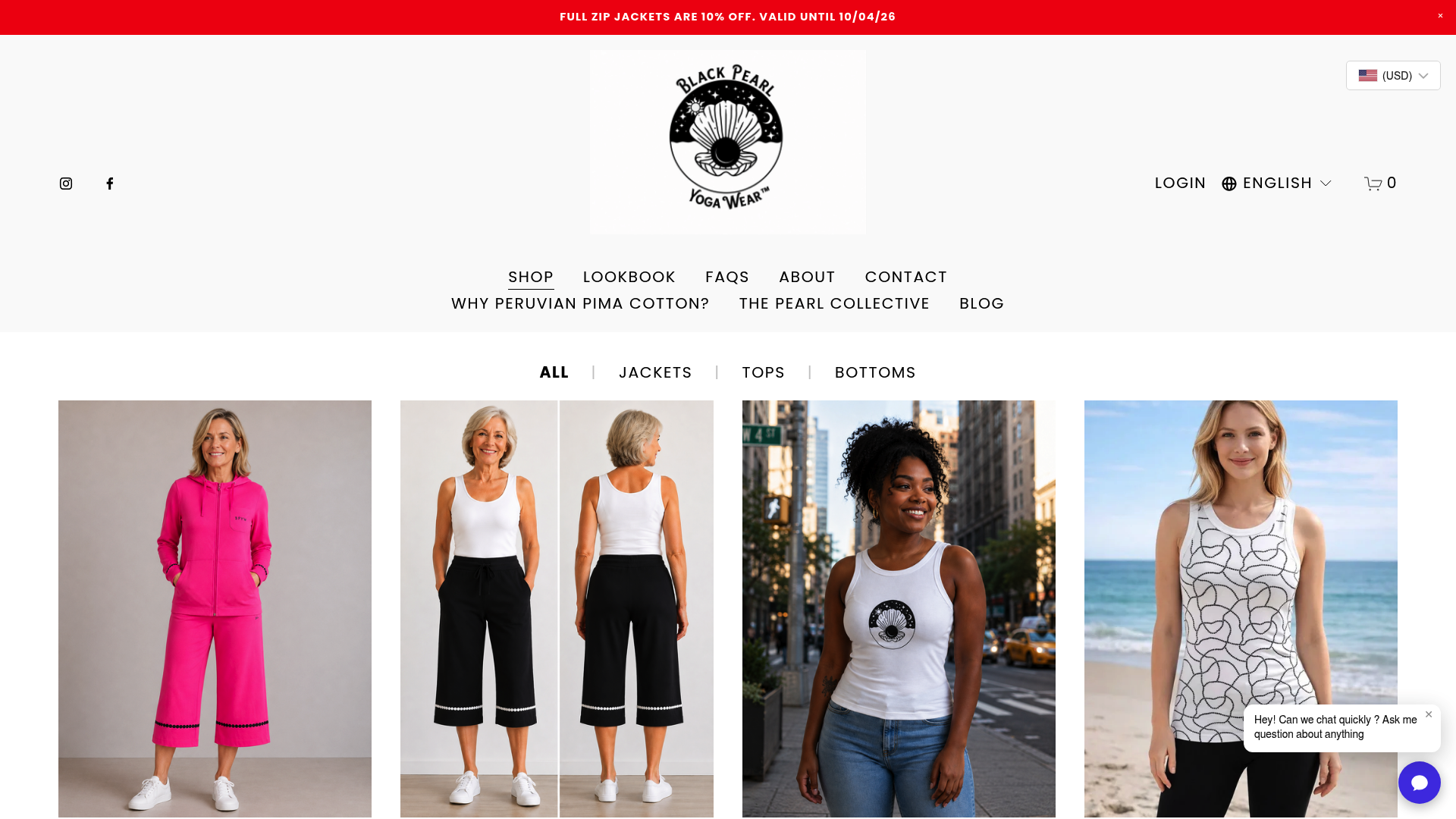
Let's talk money, because that's the part everyone circles back to. You see a pair of certified Pima leggings priced above the fast-fashion rack, and the honest question lands: is the premium real, or are you paying for a story? We've asked ourselves the same thing, and the answer sits in how long the piece lasts and whose hands grew it.
Most organic athleisure gets priced on how it was farmed. Certified Pima gets its value from how long the fiber survives your laundry routine, and from the Peruvian women whose field it traces back to. That value shows up in fewer replacements and more wear over time.
References
[1] 10 Best Organic Cotton Leggings For Women (Reviewed) - The Good Trade - https://www.thegoodtrade.com/features/organic-cotton-leggings/
[2] Organic Wholesale Blanks - Original Favorites - https://originalfavorites.com/pages/our-certifications
[3] Pima Cotton Fabric vs Supima vs Organic Cotton - Differences - https://wellfabric.com/pima-cotton-fabric-vs-supima-vs-organic-cotton/
[4] Pima & Supima Cotton Vs Organic Cotton | The Differences - SANVT - https://sanvt.com/blogs/journal/pima-supima-cotton-vs-organic-cotton?srsltid=AU7gw4WQS4dvP0GdM3MFC9CeIGUjEBIvduotdD6cGi7El1PntO4f7ZZF
[5] What Is Pima Cotton? The Softest Cotton Fabric Explained - Eberjey - https://eberjey.com/blogs/journal/what-is-pima-cotton-the-softest-cotton-fabric-explained?srsltid=AU7gw4UHwlbjM_hzBXJkZ0twOkG9H6HWm1_LOLptcywbWpoGVfRbTJgc
[6] Supima Cotton vs Pima Cotton: Differences, Quality, Value - Somnad - https://www.somnadlab.com/blogs/insights/supima-cotton-vs-pima-cotton?srsltid=AU7gw4VixUdrg5okvBgTGQuXEDIsqSKhTVclghnKBzg4ej20YJxUJpmT
[7] What is Pima cotton and how is it different? - Fair Indigo - https://www.fairindigo.com/blogs/news/what-is-pima-cotton-and-how-is-it-different?srsltid=AU7gw4UrMkCNHK19x8V68k7U9qqujVSgrVwfP61ZYhkK7Wn41WZzZK3B
[8] Cotton FAQ | PimaCott - https://www.pimacott.com/cotton-faq
Frequently Asked Questions
If Pima cotton isn't organic, does that mean it's sprayed with pesticides?
Not necessarily in every case, but the Pima label is not the place to look for that answer. It identifies the cotton type and, when certified, verifies the fiber claim. If chemical-free growing is your priority, the tag needs a separate organic standard rather than relying on the Pima wording.
Can I trust a tag that says "100% Pima" with no certification logo?
Treat it as an unproven claim. The word "Pima" should lead you to ask a second question: who verified it? A credible tag names the program, license, or traceability system behind the cotton instead of asking you to trust the adjective.
Why does certified Pima cost more if it's not always organic?
Because the premium is tied to fiber quality, scarcity, handling, and traceability rather than organic farming alone. The better question is whether the garment will stay in rotation long enough to earn its price. If it does, the value shows up over time instead of at checkout.
If I have sensitive skin, is certified Pima better than regular organic cotton?
It depends on what triggers your irritation. Certified Pima helps on the texture side because the yarn surface is smoother. Organic certification helps on the residue side because it limits certain agricultural inputs. For sensitive skin, the strongest choice is a garment that addresses both fabric feel and processing transparency.
Does hand-harvesting Peruvian Pima actually make the fabric better?
It can help protect the cotton before spinning, especially because gentler handling reduces the chance of damaged strands entering the yarn. The bigger reason we care about it is that it keeps the quality story connected to real labor. Traceability tells you whether the premium supports the people doing that careful work.
When should I skip certified Pima and choose synthetic activewear instead?
Choose synthetics when moisture management is the main job: intense cardio, hot classes, or training where you expect to sweat heavily. Choose certified Pima when softness, breathability, low-sweat movement, and all-day comfort matter more than technical wicking.