Certified Peruvian Pima Cotton: Read the Label Before You Trust 'Organic'
September 19, 2026
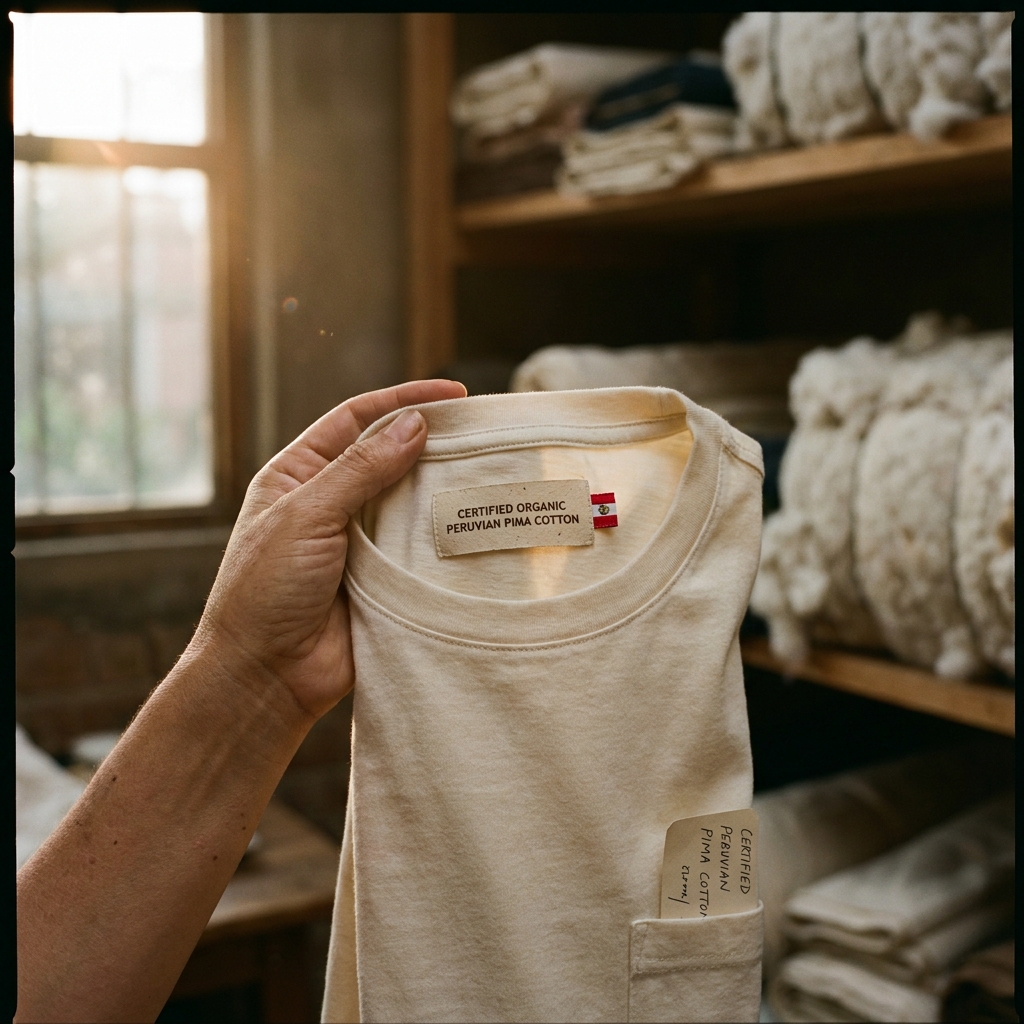
Key Takeaways
- Peruvian Pima is a national brand, separate from U.S. Supima® certification. A plain "Pima" tag confirms neither where it's from nor which variety you're getting.
- The USDA "organic" tier needs at least 95% certified organic content. The rest has to be non-GMO and pulled from the National List of Allowed Substances.
- "Made with organic" covers garments that are 70% to 94% organic fiber. Those can't wear the USDA seal, but a certifier logo may still show.
- Under 70% organic fiber, the label can only mention organic content in the ingredient panel, never on the front.
- Textile "organic" rules and food-style tiers use different cutoffs, so a garment labeled organic can still hold conventional or GMO fiber.
- Peruvian farmers have grown long-staple cotton using traditional methods traced to 4000 BCE, prized for softness, strength, and pilling resistance.
What a "Pima" Tag Actually Tells You (Almost Nothing)
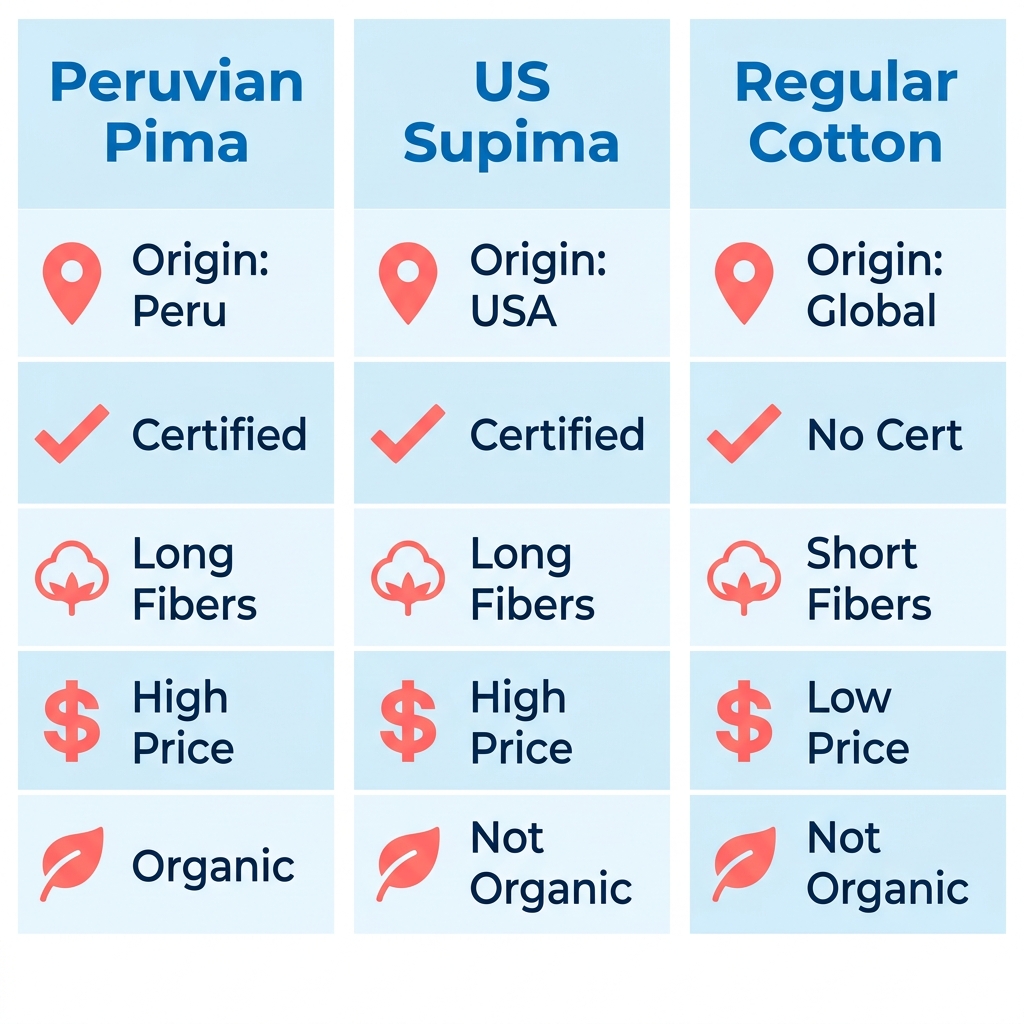
A "Pima" label on its own guarantees close to nothing. Peruvian Pima is a national brand, separate from the U.S. Supima® certification, so a generic "Pima" tag won't confirm origin, variety, or organic status. For pima cotton activewear, that gap is exactly why label literacy pays off before you spend the premium.
It is a premium. Pima is relatively rare and labor-intensive to harvest, so it costs more than regular cotton. When you pay that markup, you deserve to know what you're actually getting.
The Fiber Traits That Earn the Premium
Pima's edge in hot-climate yoga isn't marketing. Its long, extra-long-staple fibers are what set it apart. The longer the individual fibers from a cotton boll, the softer, stronger, and more durable the fabric, as Eileen Fisher's sourcing team notes.
Here's why that matters on the mat. Naturally breathable cotton lets air move and soaks up sweat instead of letting it pool against your skin. The long staple resists pilling, tearing, and fading through repeated sweat-and-wash cycles. That's breathable moisture control plus durability a cheaper short-staple cotton can't match.
The hand feel is soft with a subtle luster. One Peruvian supply-chain partner calls it "Andean silk," a phrase Eileen Fisher's sourcing team echoes. Farmers there have cultivated long-staple varieties using traditional methods traced to 4000 BCE.
"Organic" Is a Legal Word. "Pima" Isn't.
Unlike "natural" or "eco-friendly," organic is a legal certification with paperwork, inspections, and oversight, as CCOF explains. But two label rules pull in opposite directions, and you need to hold both at once.
For organic status, a missing certifier logo isn't disqualifying. The seal is optional even on fully certified goods. For origin claims like "Peruvian Pima," the absence of a specific brand or certification IS meaningful. Two claims, two different standards.
Watch the thresholds too. A garment can carry an "organic" label and still contain conventional or GMO fiber, because textile certifications and food-style tiers use different cutoffs. So the ultra-soft Pima you're paying up for may be partly conventional unless you verify the tier. It's why our pieces are made from 100% certified Peruvian Pima cotton, no guesswork about what's in the fabric.
Origin and organic claims are both hard to verify, which is the whole reason for reading the label closely. Certification is what separates a genuine claim from a marketing word.
When the Label Isn't Worth Chasing
Skip the premium hunt if you want a throwaway layer for one hot season. Pima's value is longevity under repeated washing, and you won't recoup the markup on something you'll toss.
Remember too that the "made in" tag only tells you where a garment was sewn, not its full journey. Fiber can be grown in one country and shipped to a mill on the other side of the world. A locally grown, spun, and sewn supply chain cuts transport emissions and keeps the origin claim honest. That's the standard worth reading for, and it's why our pieces are made in Peru from certified Peruvian Pima cotton.
Decoding the Certifications and Label Terms
Certification labels use a tiered vocabulary, and the tier a garment lands in decides what you're actually paying for. When you're shopping for pima cotton activewear, the wording gap between "organic" and "made with organic" is where budgets quietly leak.
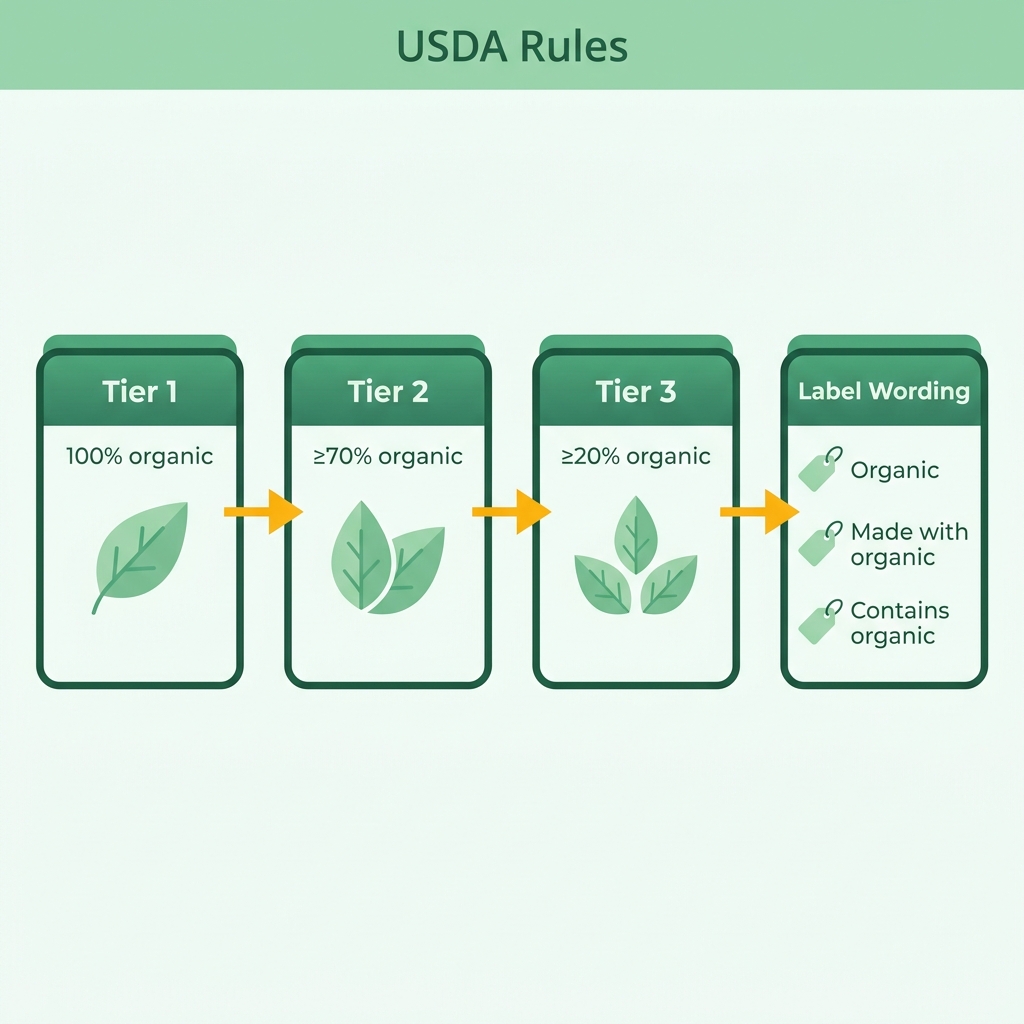
That tiered system comes straight from the USDA's food-labeling rules, which textile makers borrow to describe fiber content. Learn the tiers and you can read any garment tag with confidence.
What the Organic Tiers Actually Mean
The rules break into grades, and the Organic Trade Association's breakdown lays them out cleanly.
- Organic: At least 95% certified organic content. The rest must be non-GMO and drawn from the National List of Allowed Substances. This tier earns the USDA seal.
- Made with Organic: Between 70% and 94% organic. No USDA seal allowed, but a certifier logo can still appear.
- Under 70%: Organic fibers can only be named in the ingredient panel. No front-panel organic claim, per the CCOF shopper's guide.
Here's the trap for a yoga wardrobe. A tag reading "Made with Organic Cotton" can legally hold up to 30% conventional fiber. For a top you sweat through in a hot studio, that blend ratio matters more than the reassuring word on the front.
Is a Missing Certifier Logo a Red Flag?
Not for organic status. The CCOF guide is clear that the certifier seal is optional even on fully certified goods, so its absence doesn't disqualify a product. What verifies the claim is the certification record held by the certifying body, not the logo on the tag.
Origin claims work the opposite way. "Peruvian Pima" is a varietal and national brand, so here a missing certification or brand mark IS meaningful. Treat organic claims and origin claims as two separate checks. One tolerates a blank space; the other doesn't.
And skepticism is warranted. As the CCOF team puts it, "organic fraud does happen. As more products appear online, some 'organic' claims aren't actually certified." If the front says organic but the fiber content panel doesn't back it up, something's off.
Which Certification Matters Most for Next-to-Skin Yoga Wear
An organic label tells you how the cotton was grown. It says nothing about the chemicals sitting against your skin. That gap is why OEKO-TEX's organic cotton standard exists as a separate check, grading harmful-substance limits by skin-contact class rather than farming method.
Put the two facts together and the conclusion writes itself: a garment can be certified organic and still carry chemical residues you'd rather not marinate in during a 90-minute flow.
For close-to-skin athleisure, look for the highest skin-contact product class, then confirm the organic tier separately. One badge covers how the fiber was grown. The other covers how safe it is to wear. You want both before you trust the tag.
How to Verify a Claim in Two Minutes
Here's the trap that costs the most money: a garment can carry an "organic Pima" label and still contain conventional cotton. The soft, moisture-managing fiber you're paying a premium for may be partly the cheap stuff you were trying to avoid, because the word on the front never has to match the fiber panel on the back.
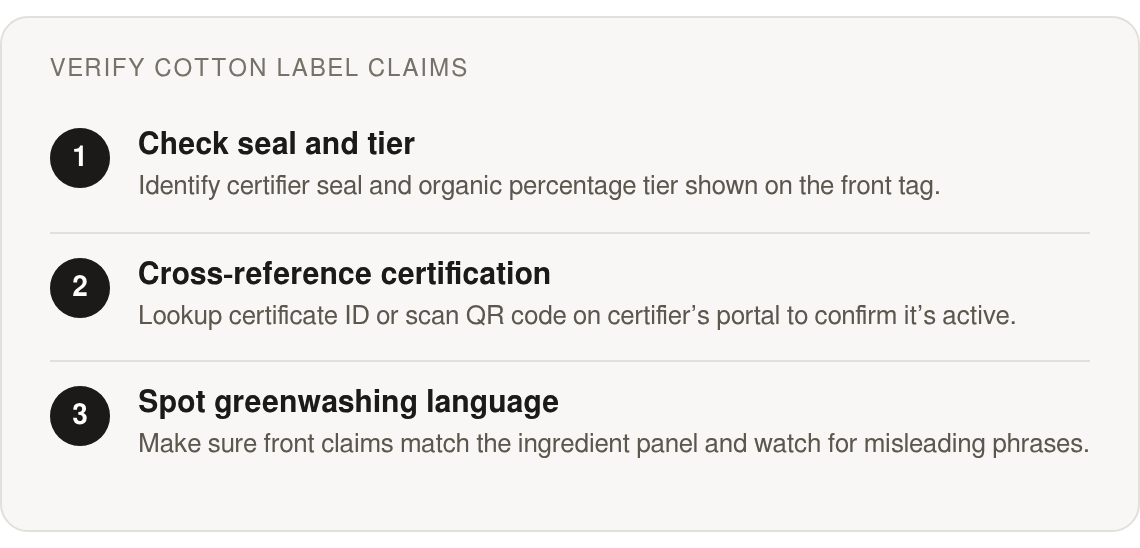
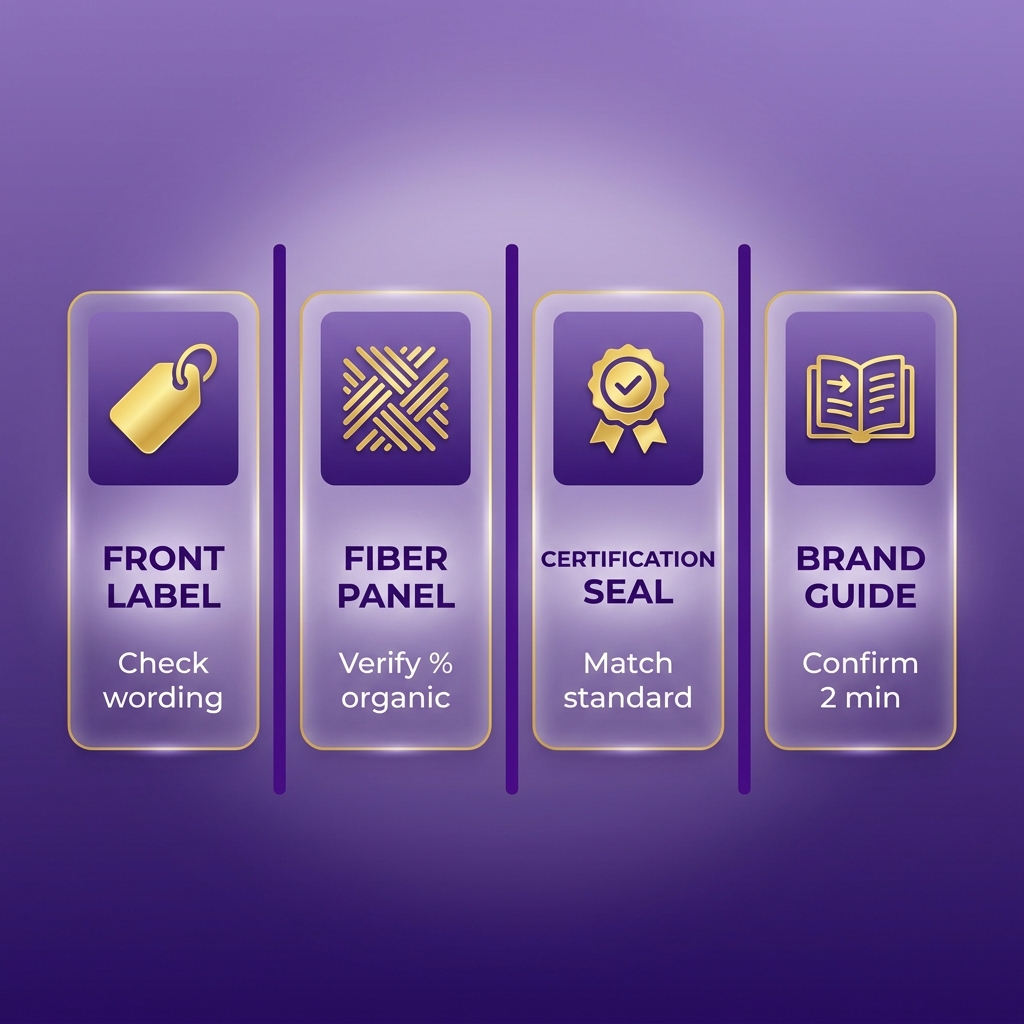
That's why a checklist beats a glance. The steps below follow how the certification systems actually work, so you can verify a claim in a store aisle or on a product page in about two minutes.
What to Check First on the Tag
Start with the seal, not the marketing copy. A real seal ties to a specific standard and a specific fiber threshold, so your first job is to name both. If a tag shouts "organic" with no seal, that's not automatically fraud. Some certified goods sit in a lower tier that still passes the same review yet can't display the top mark.
Here's the wrinkle for cotton. Textile certifications and food-style tiers use different thresholds, and a "Blended" organic textile can still hold a meaningful share of conventional fiber, per OEKO-TEX's organic cotton standard. Read which standard and which tier the tag names. "Organic Pima" tells you nothing until you know the percentage behind it.
And one rule that saves you from false alarms: a missing certifier logo does not disqualify a product. The CCOF shopper's guide confirms as much for certified goods.
How to Cross-Reference the Certification
A legitimate certification comes with a number or a certifier name you can look up. Most major textile standards run an online portal where you type the certificate ID or brand and confirm it's active. If the tag lists something like "Certified Organic by [certifier]," search that certifier's own registry rather than trusting the printed logo.
Scan any QR code on the tag. It should route to an official certifier page showing the certificate scope and status, not a generic brand landing page. A code that dumps you on a homepage with no certificate detail is a red flag.
When a portal returns "not found" for a certificate number the brand printed, treat it as a failed claim. Organic fraud "does happen," warns the CCOF guide, especially as more products sell online.
Which Words Signal Greenwashing
Some phrases are built to sound certified while claiming nothing. Watch for "organic-inspired," "made with organic-grade fiber," or a bold "organic" on the front with an ingredient panel that never backs it up. The CCOF guidance is blunt: if the front says organic but the fiber breakdown doesn't confirm it, something's off.
For next-to-skin yoga wear in hot conditions, add one check the organic label can't answer. An organic seal says nothing about chemical safety against sweaty skin, because harmful-substance limits are graded by skin contact, not organic status. Look for a skin-contact product class alongside the organic claim. That's the combination that actually protects you through a sweaty flow.
What Certified Peruvian Pima Does for Your Athleisure
Certified Peruvian Pima earns its place in your closet on fiber quality, not marketing. It is known for exceptionally long, smooth fibers that make fabric feel remarkably soft against the skin while staying strong and breathable.
Translate that into a hot yoga room. Natural breathability means the fabric lets air move instead of trapping heat. Long, strong fibers mean the top holds its shape through repeated sweat-and-wash cycles. That's why we favor certified extra-long-staple cotton for anyone moving through heated flows.
The Fiber Qualities That Survive Repeated Washes
Pima resists pilling and fading better than regular cotton, which matters most for a garment you wash constantly. Because the smooth fibers are less likely to break and form small pills, your clothing looks good for longer. Peruvian Pima also takes color beautifully, holding rich shades through repeated wear, so your black leggings stay black instead of graying out after a season.
Durability is the sustainability story people miss. Longer fibers make smoother, stronger yarns, so garments hold their look and comfort over time. At Black Pearl Yoga Wear, we lean into timeless styles that outlast changing trends, so you can invest in pieces that last.
Here's the honest note. Pima is a premium fabric with careful care requirements. If you want a wash-and-forget synthetic gym top, this isn't your fabric. We recommend Pima for practitioners who value hand feel and want a garment to outlast the trend cycle.
Why "Andean Silk" Is More Than a Nickname
Peruvian Pima has a smooth, supple hand feel that sets it apart from generic cotton, a quality earned over millennia. Farmers there have cultivated long-staple cotton using traditional knowledge tracing to 4000 BCE, according to Eileen Fisher's supply-chain journal.
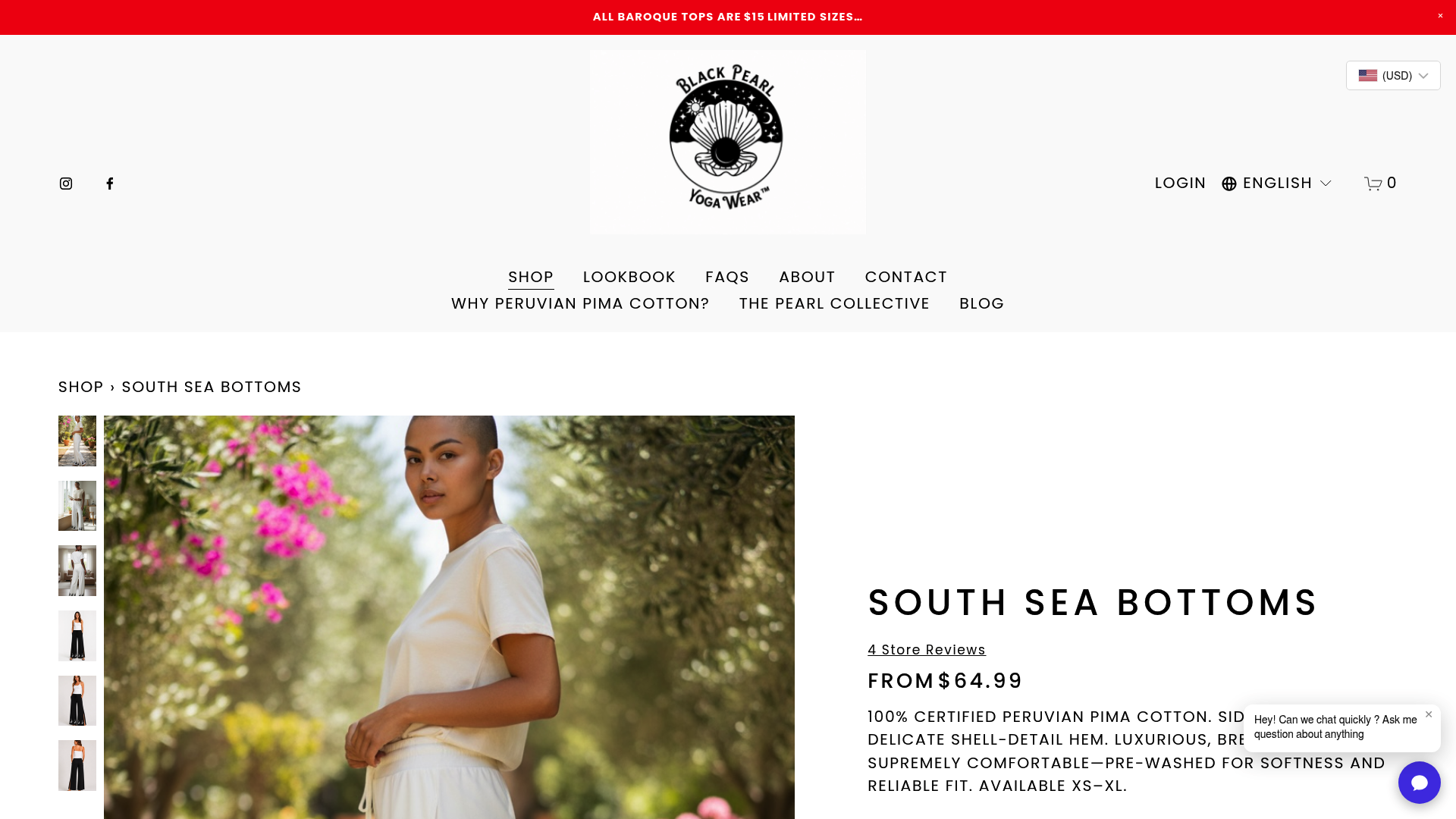
That luster earns Pima the "Andean silk" nickname, and it explains the confidence factor. When a piece feels this good against your skin, you reach for it more.
The Community Value Baked Into the Supply Chain
Certified Peruvian Pima carries a supply-chain story a "made in" tag alone can't tell. That label only reveals where a garment was sewn, not where the fiber was grown, spun, or dyed. Fiber often travels halfway around the world before it reaches you.
Peruvian cotton grown, spun, and sewn in one place cuts transport emissions and supports local partners. The same journal names community-based workshops in Arequipa and a Lima cut-and-sew factory run by three sisters who prioritize worker wellbeing.
Choosing certified Pima aligns your purchase with those values. When the fiber, the spinning, and the sewing all happen in one region, your money stays closer to the people who grew and shaped the garment. A shorter chain is also easier to verify, so the values on the label match the reality behind it. Softness you can feel, and a purchase you can stand behind.
References
[1] From Peru to You. A Local Organic Cotton Supply Chain. - Eileen Fisher - https://www.eileenfisher.com/a-sustainable-life/journal/community/peru-organic-cotton-supply-chain.html?srsltid=AU7gw4Vr6cBjlP-dJ0mRwrnEeXnqI_cI6qlQT6zOCf_J7GDTSBo2oC8T
[2] How to Read Organic Labels: Quick and Easy Shopper's Guide - https://www.ccof.org/news/how-to-read-organic-labels/
[3] How to Read Organic Labels | OTA - https://ota.com/organic-101/what-is-organic/how-read-organic-labels
[4] OEKO-TEX® ORGANIC COTTON - https://www.oeko-tex.com/en/our-standards/oeko-tex-organic-cotton/
[5] What is Pima Cotton Fabric: Properties, Varieties, Uses & Global Market - https://www.fibre2fashion.com/market-intelligence/texpro-textile-and-apparel/textile-guide/10533/pima-cotton-fabric
Still Wondering?
Is Peruvian Pima the same thing as Supima cotton?
Peruvian Pima and Supima are two separate certifications. Peruvian Pima is a distinct national brand tied to cotton grown in Peru, while Supima is a U.S. certification. A generic "Pima" tag confirms neither one, since "Pima" itself is not a legal or protected term the way an origin brand or organic certification is.
Can a garment be both certified organic and still contain chemical residues?
A garment can carry organic certification and still hold chemical residues against your skin. An organic label only certifies how the cotton was grown, not what's in the finished fabric. That's why OEKO-TEX exists as a separate check, grading harmful-substance limits by skin-contact class. For next-to-skin yoga wear, confirm both the organic tier and the highest skin-contact product class.
How do I verify a certification number I see printed on a tag?
Look up the certificate ID or certifier name in that standard's online verification portal, which confirms whether the certification is active. If the tag lists "Certified Organic by [certifier]," search that certifier's own registry instead of trusting the printed logo. Scan any QR code, which should route to an official certifier page. A portal returning "not found" signals a failed claim.
Is Pima cotton worth the premium if I want low-maintenance activewear?
Skip Pima if you want a wash-and-forget synthetic top or a throwaway layer for one hot season. Pima is a premium fabric with careful care requirements, and its value comes from longevity under repeated washing. You won't recoup the markup on something you'll toss. It suits practitioners who value hand-feel and want a garment that outlasts the trend cycle.