Yeast Infections and Synthetic Leggings: Why Breathable Pima Cotton Matters
September 8, 2026

Key Takeaways
- Candida loves warmth and trapped moisture.
- Tight synthetic leggings create that environment.
- Cotton is gentler on sensitive skin and absorbs moisture.
- Tight nylon and synthetic underwear hold heat and moisture.
- Postpartum recovery adds fluid shedding and hormonal swings.
- 100% Peruvian Pima cotton pulls moisture away from skin.
Why the Fabric Against Your Skin Matters
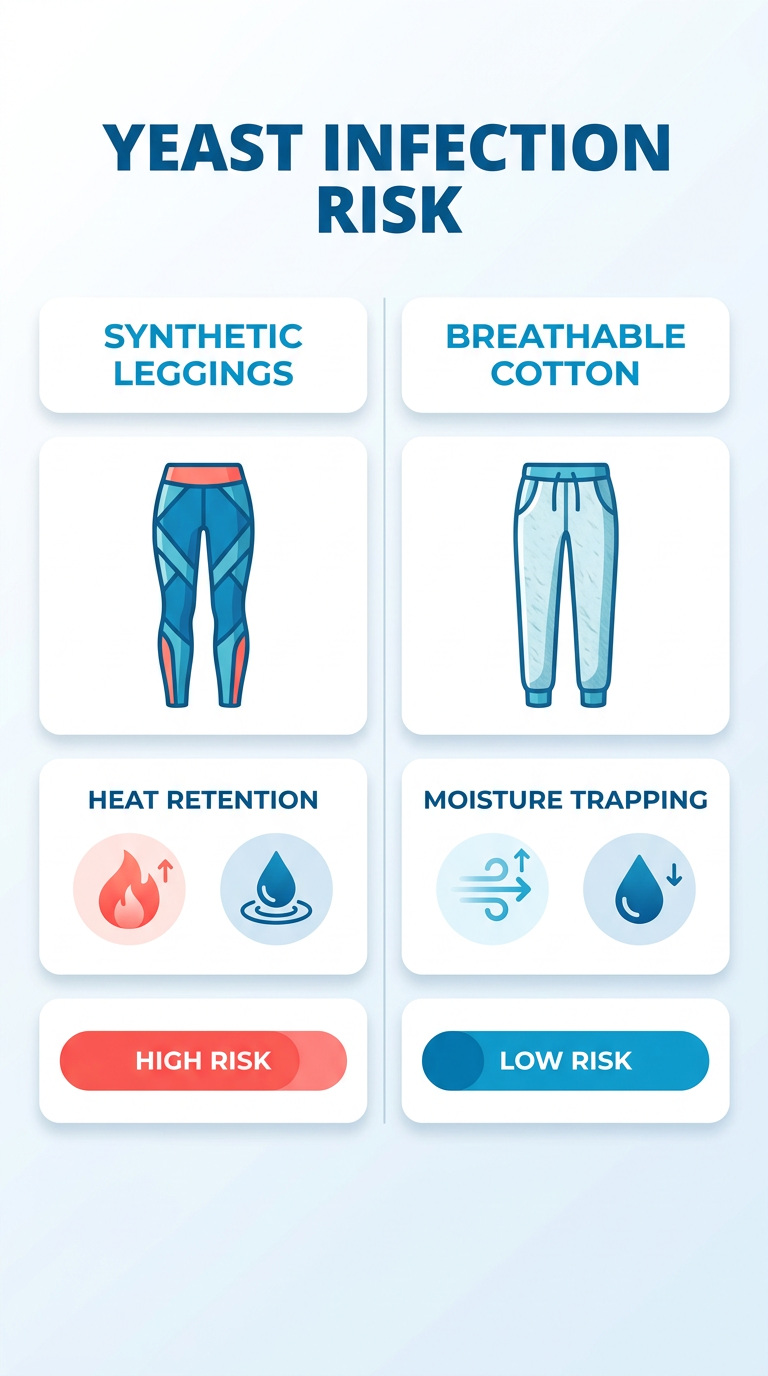
Vaginal health depends on a balanced microbiome. That balance shifts when clothing blocks airflow. Leggings that hold heat and sweat against your skin form an occlusive barrier. Warm, damp skin is where fungus thrives. That is why breathable 100% Peruvian Pima cotton matters.
The pattern is clear. Tight nylon and synthetic underwear trap heat and moisture, building the environment that raises Candida risk, as Natural Womanhood reports. Cotton wicks moisture and stays gentle on sensitive skin. Healthline also notes that cotton absorbs moisture and helps prevent infections, in this guide.
Why postpartum raises the stakes
After birth, the vulva is healing while managing lochia and shifting hormones. That combination raises local humidity and skin sensitivity. Airflow stops being a comfort perk and becomes a defense.
Research suggests that material in direct contact with skin can affect the local microclimate. For postpartum bodies, that makes everyday activewear worth choosing carefully.
Is the problem leggings, or the fabric?
It is the fabric and construction, not leggings as a category. One OB-GYN quoted in Forbes told women to "scale back on wearing leggings" to cut infection frequency. But that advice targets standard synthetic leggings that trap moisture, not garments built to breathe.
Material at the skin matters more than cut alone. You can have comfort and breathability, as long as 100% cotton touches your skin.
| Factor | Standard Synthetic Leggings | Breathable Pima Cotton |
|---|---|---|
| Moisture handling | Traps heat and sweat | Wicks and releases moisture |
| Candida risk | Higher (synthetic underwear) | Lower per fabric studies |
| Everyday versatility | Limited breathability | Gym-to-casual comfort |
| Skin interface | Nylon/spandex | 100% Pima cotton |
One honest carve-out: breathable fabric is risk reduction, not a cure. Underwear is rarely the only cause of recurrent infections. Antibiotics, hormones, and microbiome imbalance drive those. So do not expect fabric alone to fix chronic infections. It can still give your body a better local environment to heal. During postpartum recovery, that matters.
Natural Fibers vs. Synthetics: What Actually Breathes
Not every natural fiber is equal, and not every synthetic is the villain. What matters for yeast-infection risk is what touches your skin and how well it moves moisture out of a warm, enclosed space. The fiber against your body decides whether sweat gets pulled away and evaporated, or held in place where it can throw off vaginal pH.
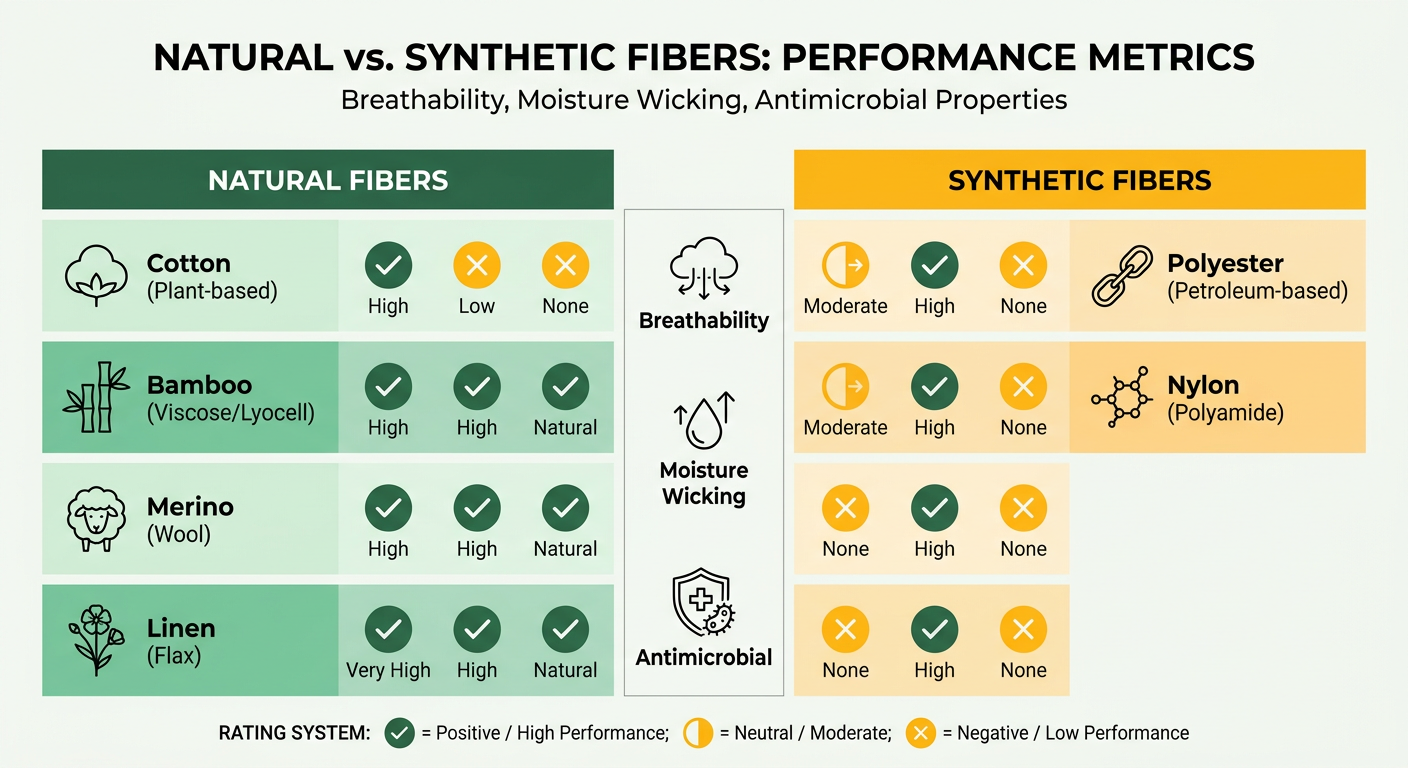
Short version: cotton, bamboo, merino, and linen all breathe better than polyester or nylon. Only some combine that breathability with the softness and absorbency an active body needs. Synthetics wick surface sweat fast, then trap heat. That creates the occlusive setup fungus likes. A typical polyester legging can hold humidity against the skin for hours during a workout. An absorbent natural layer draws that moisture in and releases it into the air.
Which natural fibers actually breathe?
Cotton wins on air permeability and skin gentleness. Bamboo and linen breathe well and feel cool. Merino manages temperature and resists odor. But bamboo drapes softly, while linen wrinkles and stiffens. Merino can run warm during high-sweat workouts. We favor Peruvian Pima cotton because it stays soft against skin while still absorbing moisture. That is where the luxurious feel comes from.
| Fabric | Breathability | Moisture behavior | Comfort note |
|---|---|---|---|
| Pima cotton | High | Absorbs, gentle on skin | Soft, low-irritation |
| Bamboo | High | Absorbent, very soft | Comfortable, less structured |
| Merino wool | Moderate-high | Manages temp, odor-resistant | Can run warm |
| Linen | High | Cools, dries fast | Stiff, wrinkles |
| Polyester/nylon/spandex | Low | Wicks surface sweat, traps heat | Compressive but hot |
Do fabrics really have antimicrobial power?
Some fabrics are designed to limit microbial growth. That can matter during active symptoms, but it does not replace treatment.
The physical principle still matters. Wear activewear for hours, and the textile against your skin sets the local humidity and temperature. That shapes the skin barrier.
The leggings question, settled
Most activewear talk skips garment engineering. A Forbes profile of femtech founder Mitchella Gilbert flips that, focusing on how design can cut moisture retention. Her Oya line uses ventilation panels and natural fibers at the gusset, and it was tested by more than sixty medical professionals.
The takeaway: structure matters. Swap non-porous synthetic panels for permeable material, and you keep the supportive fit of athletic wear while reducing the occlusive microclimate.
That is how you get performance wear without losing skin comfort. Long-staple fibers like Peruvian Pima cotton at the contact points keep a garment breathing during movement. They bridge technical performance and plain physical comfort.
How to Cut Yeast-Infection Risk While Wearing Leggings
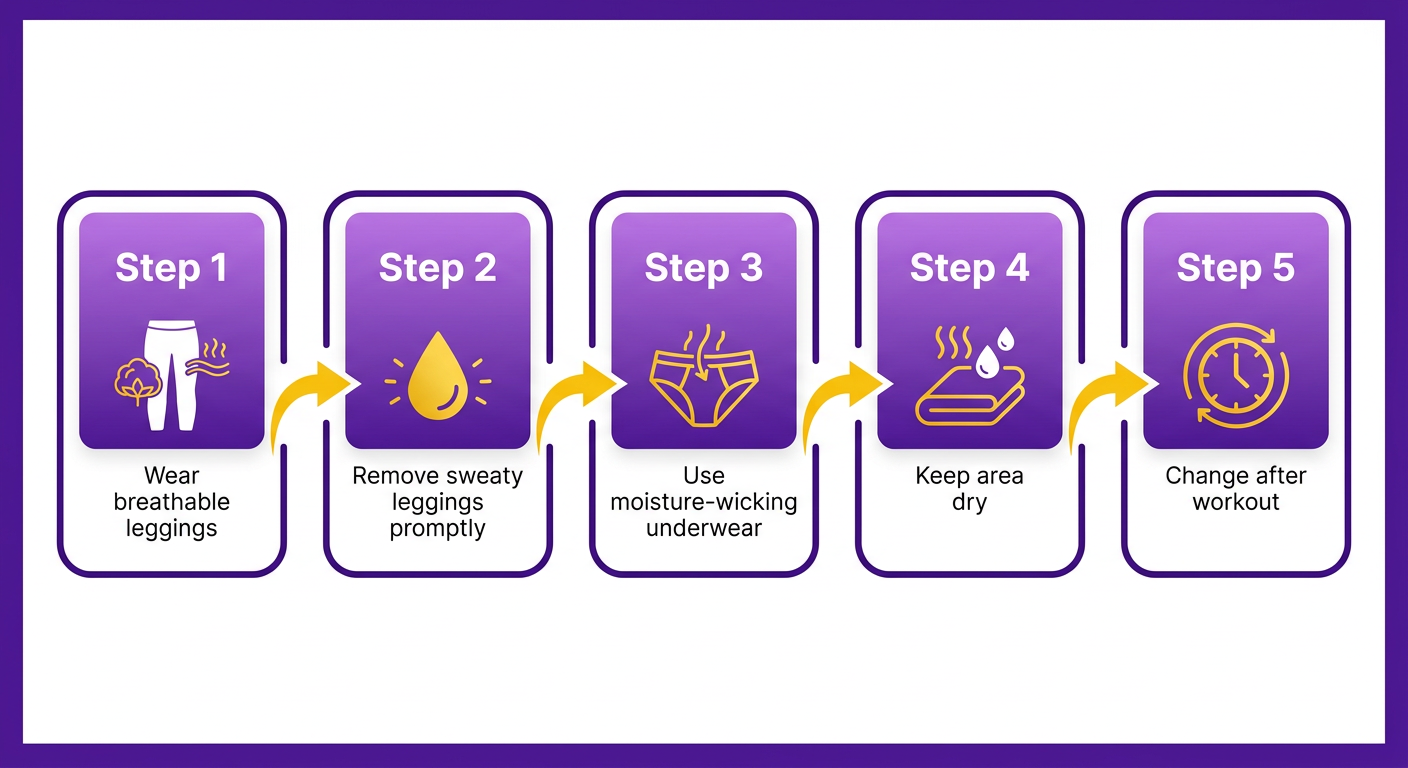
The most useful postpartum habit is simple: get out of sweaty leggings fast. Fungus multiplies in damp, closed-off spots. The longer wet activewear sits against you, the higher the odds of irritation. The tips below all come back to shortening that exposure.
Judge activewear by construction, not silhouette. Some advice says skip tight bottoms entirely, but the culprit is the synthetic fiber in standard athletic wear. Pick garments with breathable cotton at the main contact points, and you keep the support you need during recovery without building an occlusive barrier.
What underwear pairs with postpartum leggings?
Focus on material over cut. Briefs, boyshorts, whatever you prefer, the key is a gusset made from pure, unblended cotton.
That choice protects sensitive vulvar tissue from friction and moisture buildup. Natural fibers give a soft, non-abrasive surface that helps keep things dry during postpartum healing.
Fabric works alongside your systemic health, not instead of it. Persistent or recurrent symptoms may be driven by hormonal shifts or other internal factors. Those need real medical evaluation.
How should I launder activewear to clear Candida?
The rule: wash hot, not cold. As Healthline's hygiene guide notes, cold-water washes often leave viruses and bacteria behind on fabric, so warmer washes clear lingering microbes better.
Use a hypoallergenic detergent so you are not irritating postpartum skin. Dry leggings fully before the next wear. The same guide recommends replacing underwear roughly once a year, since fibers hold onto microbes over time. Change out of workout clothes daily. Damp fabric creates the environment Candida likes.
Does the fabric itself change outcomes?
The link between textiles and skin health is well documented. Leggings fit snug against the lower body, so they behave a lot like underwear when it comes to heat and moisture retention. Permeable fabrics let natural evaporation happen. That keeps humidity from building up and wearing down the skin barrier.
The classic slip-up on a busy day is staying in activewear long after the workout ends. One errand leads to another, and damp fabric stays against your skin for hours. Keeping a dry change of clothes handy is a small fix. It keeps a packed day from turning into prolonged moisture exposure.
Good breathable material lets you keep the support and flexibility an active life needs without losing comfort.
Choosing the Best Leggings for Health, Comfort, and Style
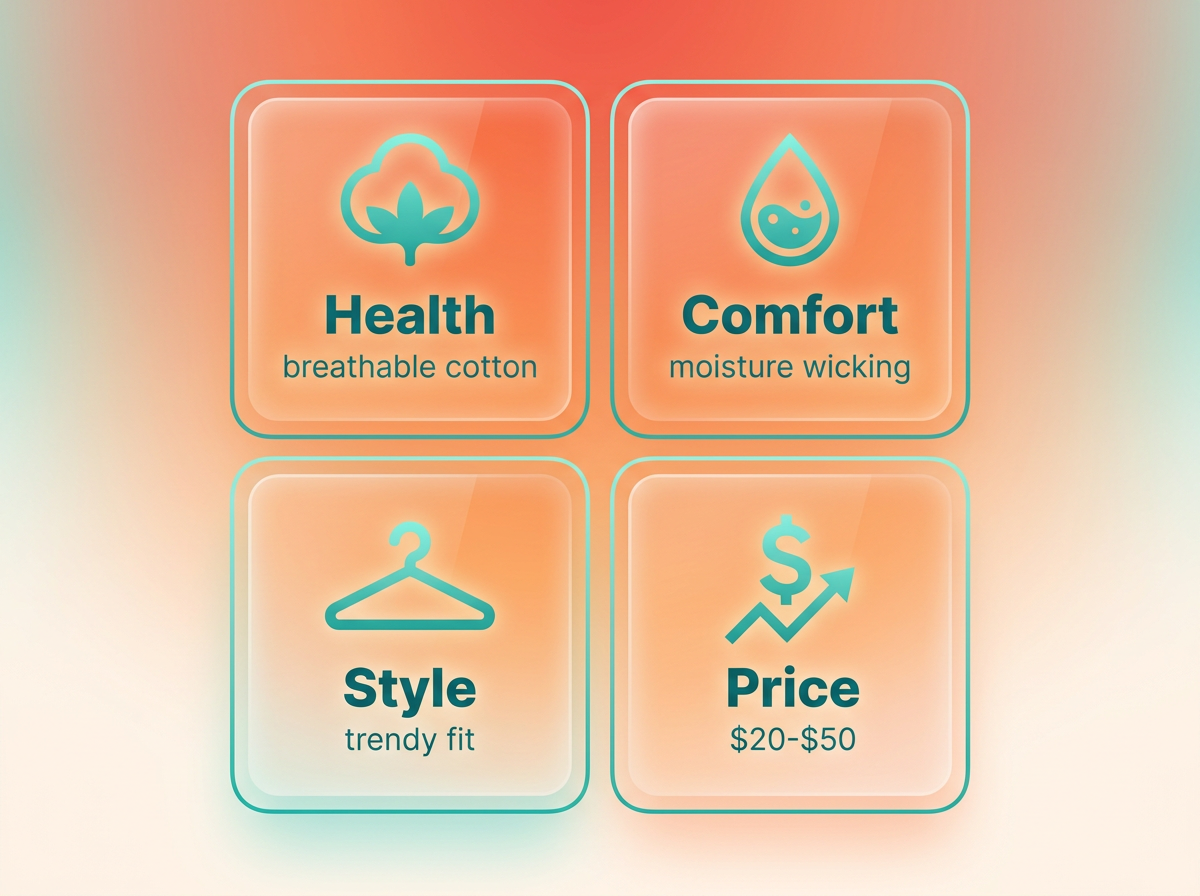
It comes down to matching your top priority with the fabric that protects your skin. If yeast-infection risk is your concern, the answer is simple: pick the option with a breathable cotton layer against your body, not a synthetic shell that traps heat.
Here is how the four priorities most shoppers weigh stack up.
Which piece fits your priority?
Health first: A natural fiber that wicks moisture and moves air wins every time. Candida needs warmth and dampness, so any fabric that stays dry against your skin lowers your risk.
Budget first: Cheap synthetics feel like a deal until repeat infections cost you in copays and discomfort. The math flips fast when one recurring problem outweighs the savings.
Fashion first: You do not have to trade style for breathability. Culottes, joggers, and fold-over bottoms give you a clean line while keeping the fabric next to your skin honest.
Sustainability first: Long-staple cotton survives more wash cycles than thin synthetic blends that pill and thin out. Fewer replacements mean less waste.
| Priority | Weekend Warrior | Daily Wearer |
|---|---|---|
| Wash frequency | 1–2 times weekly | 4–6 times weekly |
| Fabric strain | Low, occasional flex | High, constant movement |
| Payoff from durable fibers | Modest | Significant over a year |
| Skin-contact hours | Under 10 weekly | 40-plus weekly |
What I'd actually recommend
If you want pieces that serve health, comfort, and style at once, go with bottoms built from long-staple Peruvian Pima cotton against the skin. It is the one choice that delivers on all three.
The higher upfront price buys you two things synthetics cannot: a real drop in the trapped-moisture conditions that feed Candida, and garments that survive years of washing without falling apart.
If you rarely sweat and mostly lounge, a budget synthetic pair is fine. But if you are moving, sweating, and want to protect sensitive skin, put the fabric that touches you first.
References
[1] The Femtech Founder Creating Sportswear That Prevents Vaginal ... - https://www.forbes.com/sites/brittanychambers/2023/01/19/the-femtech-founder-creating-sportswear-that-prevents-vaginal-infections-secures-13m-to-scale/
[2] 5 Underwear Tips To Avoid Problems Down There - https://health.clevelandclinic.org/best-material-for-underwear
[3] 8 Underwear Tips for Vaginal Health - Healthline - https://www.healthline.com/health/womens-health/underwear-hygiene
[4] Effects of Antimicrobial Underwear on Vaginal Symptoms and ... - PMC - NIH - https://pmc.ncbi.nlm.nih.gov/articles/PMC12942071/
[5] Yeast Infections and Underwear: What's the Link? | Evvy - https://www.evvy.com/blog/yeast-infection-in-underwear
[6] Best underwear for vaginal health - Natural Womanhood - https://naturalwomanhood.org/best-underwear-for-vaginal-health/
Frequently Asked Questions
1. Can breathable leggings cure a yeast infection I already have?
No. Breathable fabrics are for prevention and risk reduction, not treatment. Once a fungal overgrowth is established, it requires targeted antifungal therapy. Wearing highly permeable materials like Pima cotton can still support recovery by maintaining a drier environment. Persistent or recurrent symptoms should be evaluated by a healthcare provider.
2. Is bamboo a good natural alternative to cotton for activewear?
Bamboo is a breathable and soft alternative, but it offers less structural support and compression than long-staple cotton. Other natural fibers like merino wool excel at temperature regulation but can feel too warm during intense workouts, while linen is highly breathable but lacks the stretch and softness needed for activewear. Pima cotton provides an effective balance of structure and moisture absorption.
3. Does washing leggings in cold water remove Candida?
Standard cold-water cycles are often insufficient for eliminating fungal spores and bacteria from performance fabrics. To sanitize activewear, launder it in warm or hot water with a gentle, fragrance-free detergent. Drying the garments completely before wearing them again is equally important, since residual dampness can encourage microbial activity.
4. How long is too long to stay in sweaty leggings?
Change out of damp activewear as soon as your workout is complete. Fungal spores thrive in humid conditions, and leaving damp fabric against the skin for even an hour or two can increase irritation risk. If an immediate shower is not possible, carry a dry change of clothes so you can swap quickly.
5. Do briefs or thongs affect yeast infection risk more?
Clinical evidence indicates that the textile composition of your undergarments matters more than the style or cut. Whether you prefer briefs or other designs, the key is a gusset made of 100% breathable cotton. That helps prevent moisture from becoming trapped against sensitive skin.
6. Are pricier Pima cotton leggings worth the higher cost?
Yes, especially if you wear activewear often. High-quality Peruvian Pima cotton has exceptionally long fibers, which provide strong durability and resistance to pilling compared with standard synthetic blends. Well-constructed natural-fiber garments hold their shape, softness, and breathability through repeated wash cycles, which can improve long-term value and skin comfort.