Why Plus-Size Activewear Falls Apart After Two Washes: Fiber, Grading, and Fit-Model Truths
September 27, 2026
Quick Answers
- Plus-size activewear usually fails from grading errors, not weak fabric.
- Seams can hold stress before the first wash.
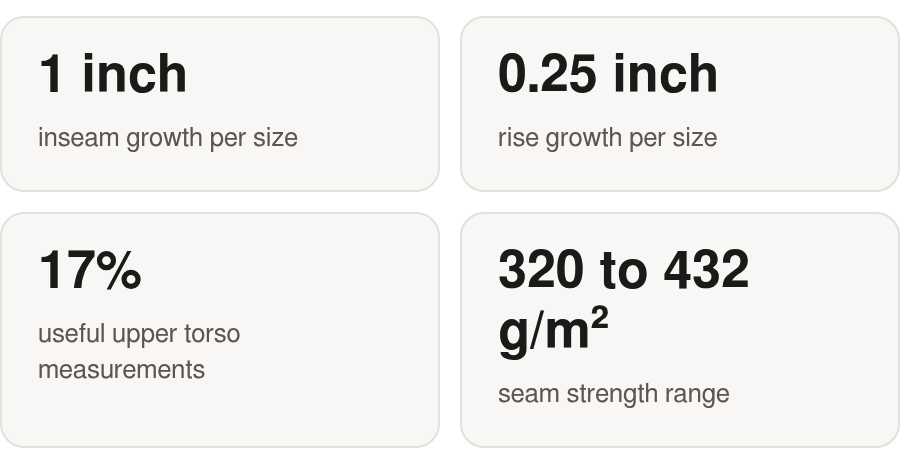
- In one client audit, inseams grew 1 inch per size.
- Front and back rise grew only 0.25 inch.
- Larger sizes became mis-proportioned.
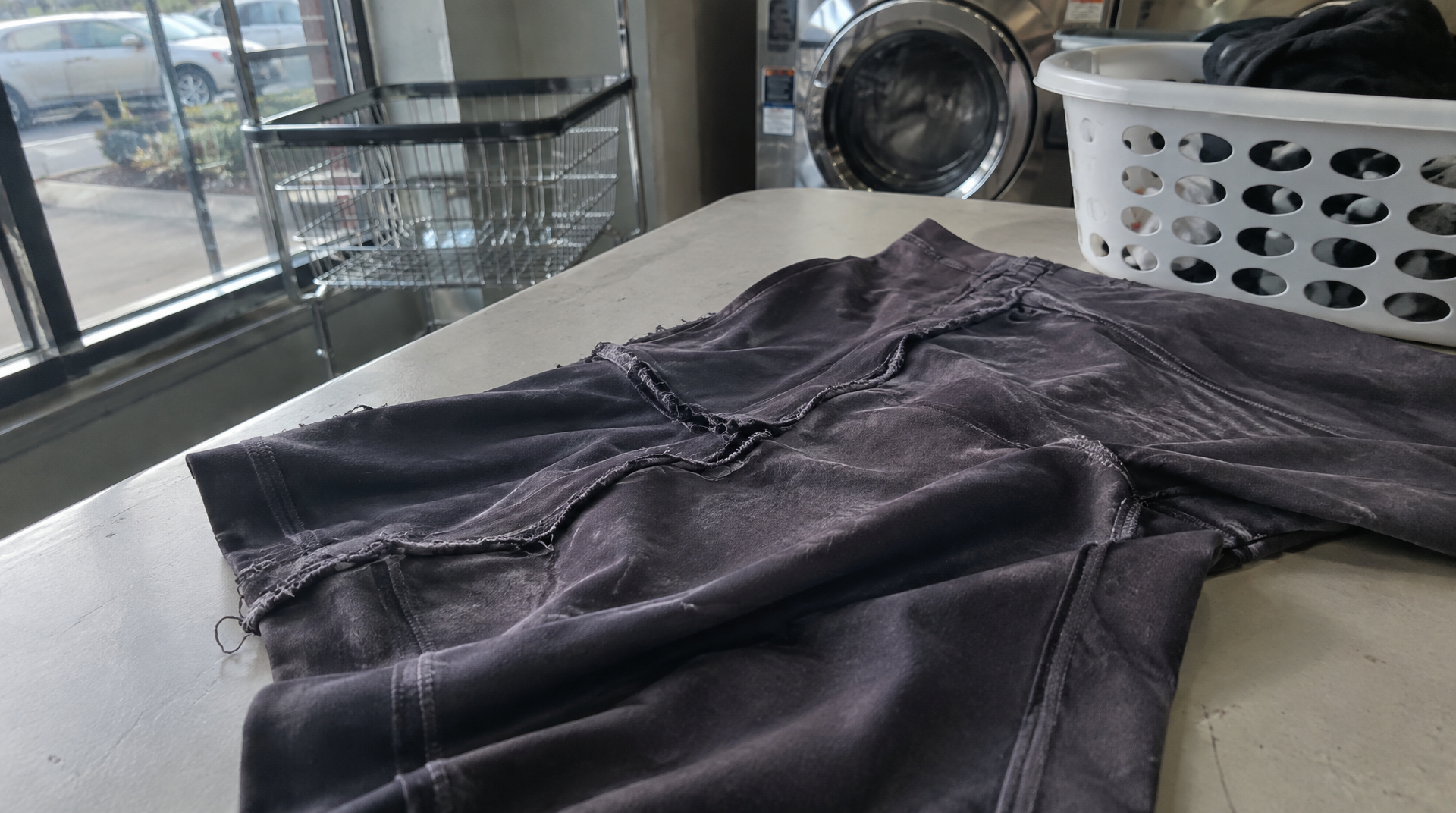
- Durability research names the trouser crotch an abrasion hotspot.
- Opposing forces wear through fibers fastest on tight garments.
- Most brands sign off on fit using one sample size.
- A size 20 body shifts proportions differently than a size 12.
Grading Gotchas: Size Scaling Errors that Cause Premature Failure
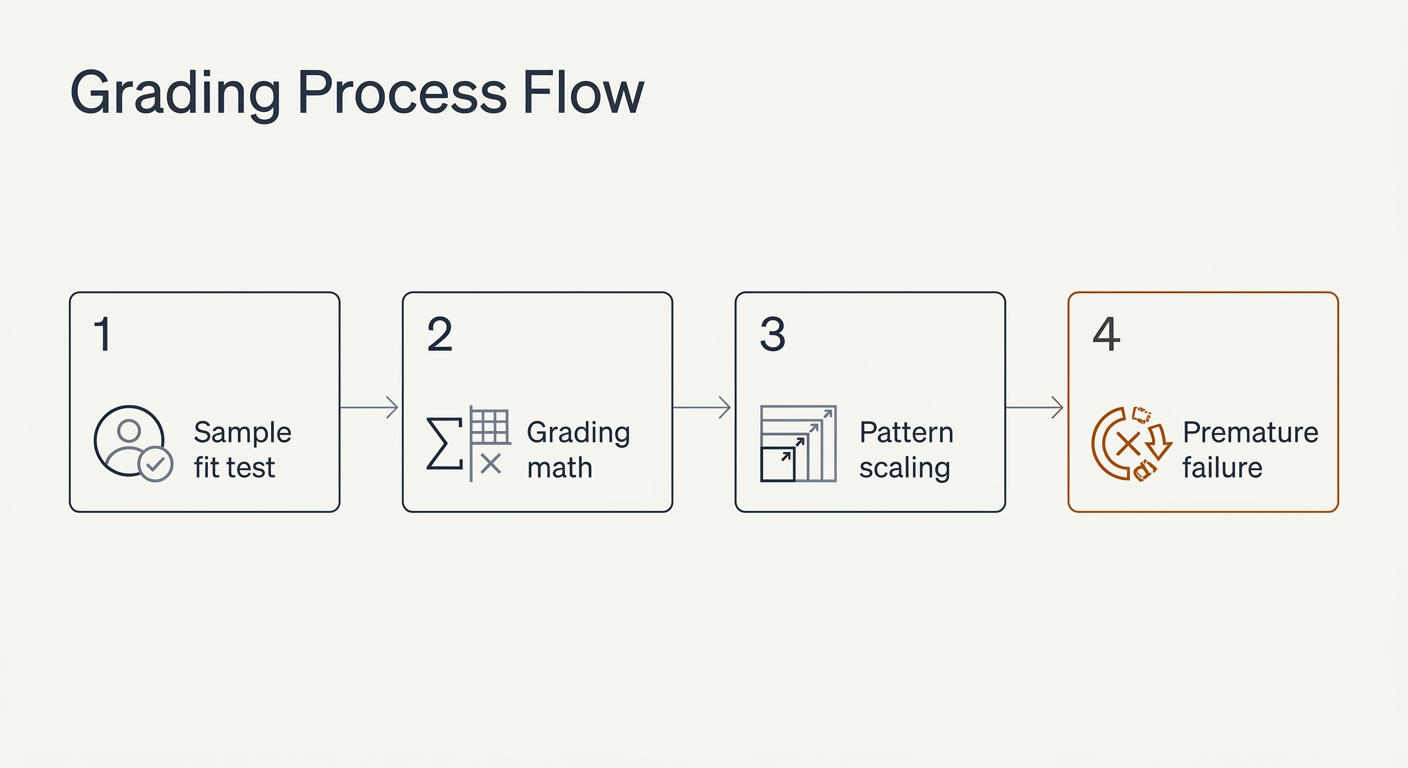
Most plus-size activewear doesn't fail because the fabric is weak. It fails because the pattern was scaled wrong before a single thread got cut. Grading is a math problem, not a sewing problem. That's where the damage starts.
A garment that fits the sample size perfectly tells you almost nothing. As product developer Bonie Shupe puts it in a breakdown of grading rules, "The sample size always fits. That's not the test." Push that pattern up through a full plus range with lazy math, and you're loading stress into the fabric. That starts before anyone hits the wash cycle.
Why proportion-scaling errors cause premature failure
Grade rules fail when they scale a body uniformly. Real bodies don't grow that way. In one client audit Shupe documented, the inseam grew 1 inch per size while front and back rise grew only 0.25 inch. That left larger sizes with a rise too short and an inseam too long.
That mismatch isn't just a fit complaint. A too-tight crotch sits under constant tension in the exact spot durability research names as an abrasion hotspot. The chapter on fabric durability flags the crotch of trousers as where opposing directional forces chew through fibers, especially on tight garments. A mis-graded size speeds up its own breakdown.
The foundation is shakier than most brands admit. As one industry voice observes, "Those old 'standard' grade rules survive way past their context and create so much hidden waste, especially in knits where stretch lies to you at the sample stage." The "it's based on real bodies" story is often more assumption than measurement.
How the three failure mechanisms compare
| Failure mechanism | Root cause | Symptom after wash | Mitigation |
|---|---|---|---|
| Fiber degradation | Lightweight fabric chosen to hit a price point | Pilling, fading, thinning at stress zones | Choose elastic fibers that dissipate movement shock |
| Grading errors | Proportional scaling that ignores plus-size proportions | Distortion, seam pucker, sagging at rise/inseam | Stretch-aware grade rules validated on multiple sizes |
| Fit-model mismatch | Fit approved on sample size only | Twisting, gaping, uneven pull after relaxation | Fit-test on sample plus at least one larger size |
Fiber degradation is the visible failure, the pilling and fading and thinning shoppers notice. Grading errors are the invisible multiplier sitting underneath.
Where natural elasticity fits
This is the part competitors miss. Elastic knits outlast rigid wovens because they absorb and release stress instead of breaking down. That same elasticity gives forgiveness across the wide proportion range plus bodies actually occupy, an area research on plus-size pant fit keeps flagging as a persistent gap in apparel grading.
Our 100% certified Peruvian Pima cotton brings a soft feel and breathability that keep athleisure comfortable through everyday wear, from yoga to running errands. Fiber alone won't save a bad grade, though. Pair thoughtful fabric with corrected, stretch-aware grade rules, then use return data to catch recurring fit complaints. That's the combination that keeps plus athleisure wearable past wash two.
Fit-Model Realities: Testing, Body Proportions, and Real-World Wear
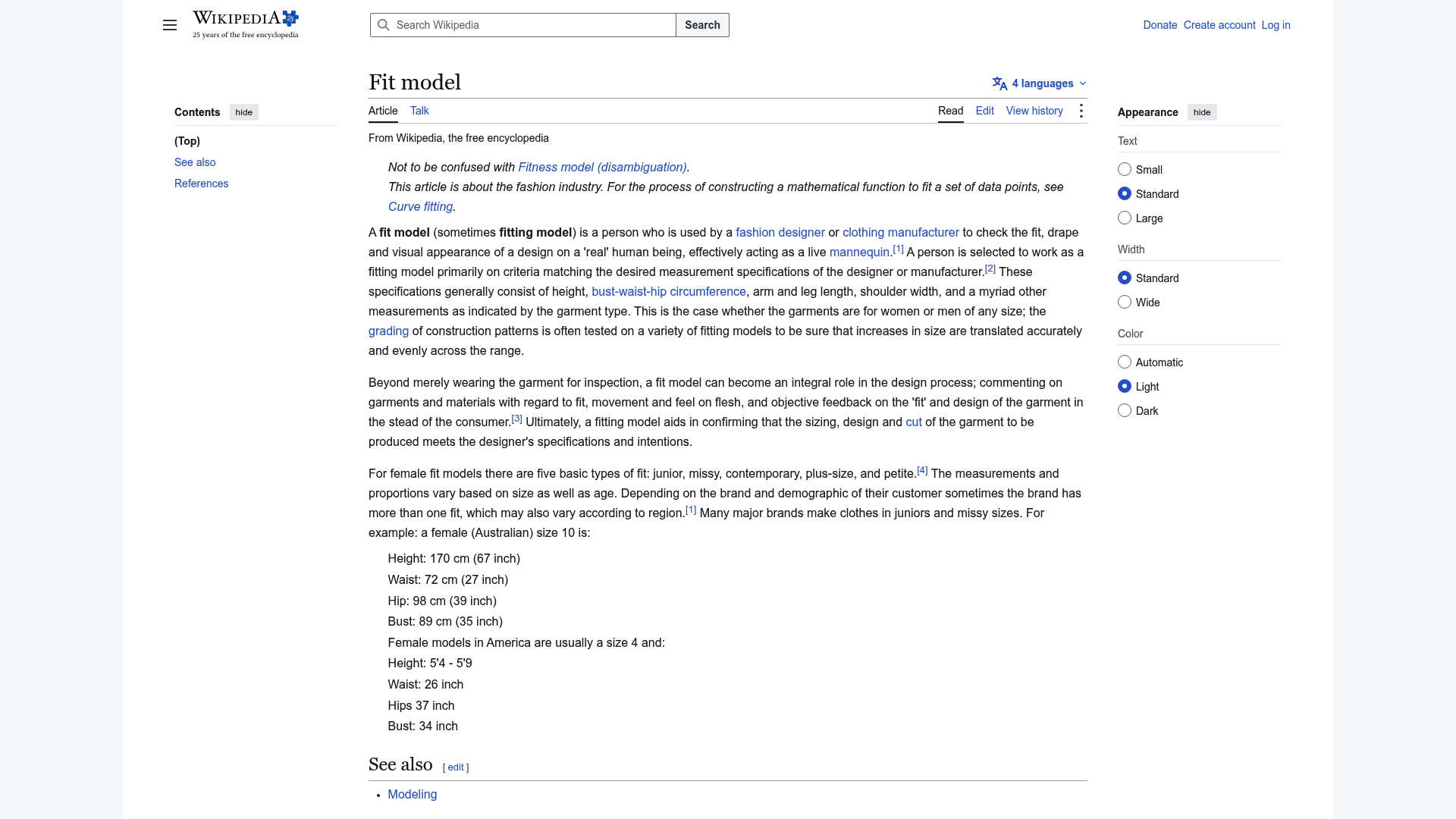
A fit model is supposed to be the last checkpoint before plus athleisure ships. In practice, most brands test on one body, sign off, and ship. That single-body sign-off is where durability quietly dies, because the measurements behind the size chart were never that trustworthy to begin with.
The missing step is validation across bodies, not just approval on the sample. Research into the relationship between grading, sizing, and anthropometric data shows the measurements behind a size chart often track real bodies only loosely, and that grading is the foundational math dictating how a pattern grows across sizes. Fit-test plus activewear on one model and you're validating a narrow slice of a much wider body range.
What fit-model testing should actually measure
Testing across a range of live bodies, not one, is the fix. The reason is proportion. A plus-size wearer doesn't simply enlarge from the sample size in a neat, even grid. Torso length, hip curve, thigh volume, and rise depth all change on different tracks, and those differences decide where seam tension concentrates.
Qualitative research on pant fit for plus-size wearers points to persistent dissatisfaction with how pants fit in larger sizes. Pants are where proportion errors bite hardest, because lower-body garments have to manage sitting, walking, bending, and repeated friction all at once.
How body proportions change where seams fail
This is where fit and durability turn out to be the same problem. If the rise is too shallow, the waistband may look fine while the lower panels do too much work. If the thigh is under-graded, the inseam rotates forward or back and starts rubbing where the designer never intended.
So a fit failure and a fabric failure are often one event, arriving on a delay. A seam under abnormal tension from day one is the seam most likely to wear out.
Testing protocol is the hedge. Instead of one live model, a fit panel should span at least three to four bodies inside the same size, each with a different torso-to-leg split, so the pattern gets stress-tested against real proportional variance rather than a single sample point. That range surfaces the tension zones a single fitting hides, and it tells you whether a seam placement holds across the spread of bodies that will actually buy the size.
How many wash cycles belong in fit testing
One wash tells you nothing. Durability shows itself over repeated wear, not on a garment fresh off the sample rack. Fit testing should mirror how a piece actually gets lived in. A repeat-wash protocol can expose seam creep, recovery loss, and slow abrasion a single fitting can't predict.
The honest limit: even great material buys forgiveness, not immunity. If your grade rules are wrong, the fabric still fails, just later. Pair corrected, proportion-aware grading with a multi-body fit panel and a repeat-wash protocol, and you get plus activewear built to hold up.
Stress Zones & Fabric Construction: Where Breakdowns Occur
Every activewear garment has a map of pressure points, and they're predictable. Underarm seams, side panels, the waistband, the back of the knee on leggings. Those take the most abuse. They're where fabric stretches, folds, and rubs against itself thousands of times before a single wash cycle.

For plus athleisure, those pressure points multiply. Larger dimensions mean more fabric surface flexing over a wider curve, so the same seam carries more tension per stitch. That's where construction choices stop being cosmetic and start deciding whether a piece survives its tenth wash or falls apart by its second.
Which seams actually hold up in the wash
Durability comes down to abrasion, tearing, stretching, and repeated laundering working on the same joints over and over. Seam strength is a separate property from fabric strength, and a garment usually fails at the weaker of the two.
Flatlock seams matter here. They lay flat instead of forming a raised ridge, which spreads stress across a wider band of thread and cuts the rubbing that chews through overlocked edges. On high-motion zones like inner thighs and underarms, that flatter profile keeps the seam from becoming the first casualty.
Double-needle stitching and bonded panels add insurance. Two parallel rows share the load, so if one thread line frays, the second holds shape long enough to matter.
Why fiber choice decides the whole equation
Reinforcement only works if the fabric under it feels good to move in. A diamond gusset at the crotch seam pulls tension away from a single failure point. A heavier fabric weight gives panels enough body to hold a curve without thinning out under repeated stretch.
Fabric research points to strength, resilience, and air permeability as the properties people register as "quality" over a garment's life. Thread choice pulls its weight too: textured polyester or nylon core threads flex with the fabric instead of cutting into it, which is why they outlast cotton-wrapped thread on the seams that move most.
Construction sets the frame. The fiber is what makes it comfortable to live in.
Stretch & Recovery: Yarn Count, Twill vs. Knit, and Post-Wash Shape Retention
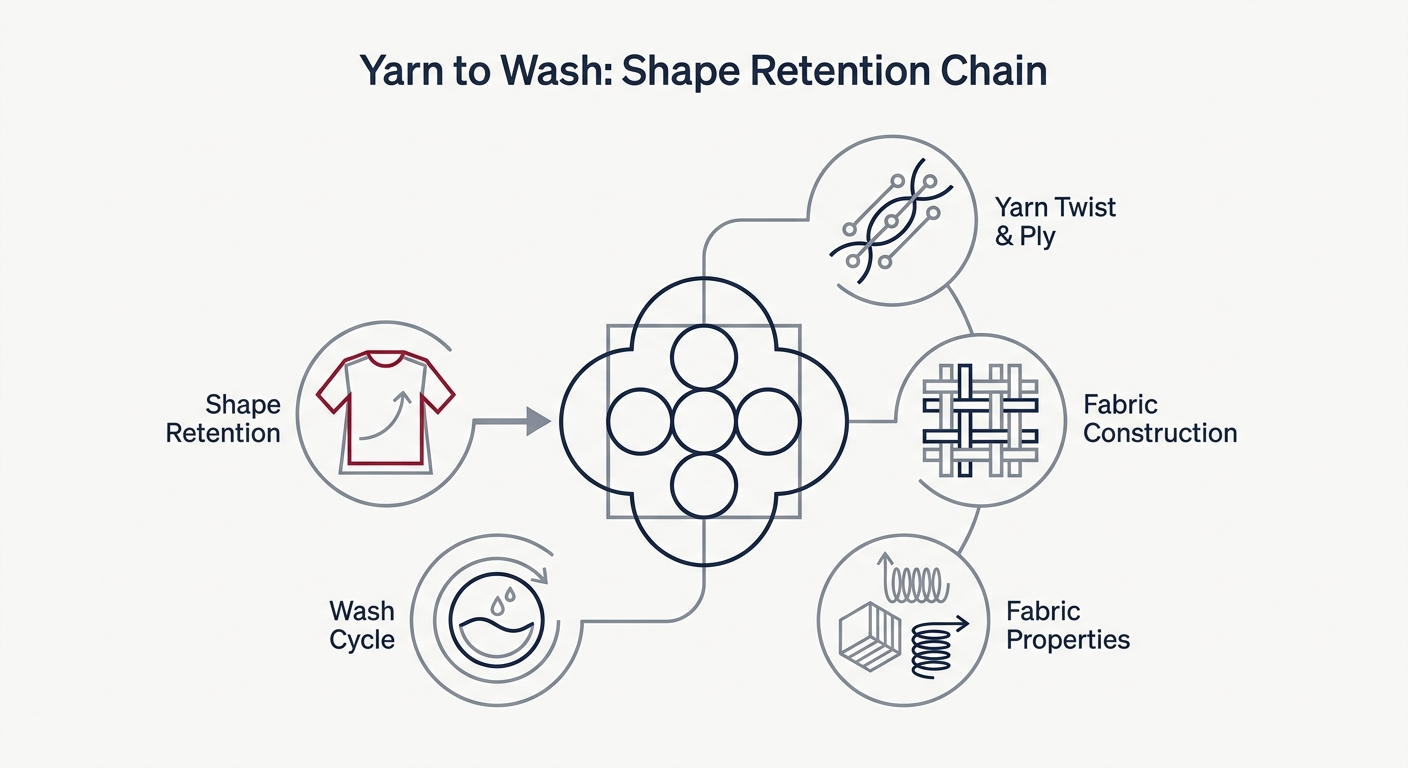
Shape retention isn't magic. It's a chain of decisions that starts at the yarn and ends at your wash cycle. For plus athleisure the chain gets tested harder, because more fabric area means more places for a knit to sag, twist, or go slack after the tenth tumble.
The durability research says as much in plain terms. Wear life comes down to abrasion, tearing, bending, stretching, and repeated laundering acting together, and fiber, yarn, and fabric parameters all shape how a garment survives those forces. So when a piece loses its shape, the fault usually traces back to a choice made long before it reached your closet.
Yarn twist and ply decide whether fabric sags
Yarn count and twist do quiet, heavy lifting. A yarn spun with too little twist feels soft off the bolt but relaxes under repeated stretch, and that relaxation is what you see as bagging at the knees and seat.
Tighter twist and multi-ply construction resist that slump. The trade-off is hand feel. Push twist too high and the fabric turns hard against skin, a real problem across wide curves where cloth sits under constant tension.
Yarn count sets the baseline. A finer count spun into a two-ply yarn holds tension better than a single of the same weight, which is why twist-per-inch matters as much as the fiber on the label. A balanced twist helps knit yarns hold the loop without stiffening the surface. That is the range where recovery and softness can both survive a full season of washes.
Knit beats twill for bodies that move
Twill weaves are tough against abrasion, but they don't give. For activewear that hugs and flexes, a well-built knit returns to form where a rigid weave would strain the seams instead.
Interlock and rib knits trap more recovery in the loop itself, which matters most at the waistband and side panels. A 2x2 rib can stretch well past double its relaxed width and still snap back, while a plain jersey of the same gauge recovers slower and tends to curl at the edges. That's why the knit choice shifts by zone rather than staying uniform across a garment. You can see how that plays out across our Pima cotton pieces built for studio-to-desk wear.
Quality Assurance Practices: Tech Packs, Sample Testing, and Factory Audits
A tech pack is where wash durability either gets built in or quietly left out. For plus athleisure, that document has to do more than list fabric weights and stitch types. It needs to spell out grading tolerances, fiber treatments, and the exact post-wash criteria a sample must pass before anyone signs off on production.
Most fit failures in plus-size athleisure aren't sewing mistakes. They're math locked into the pattern before the first cut, and no tech pack fixes that later. That's why the strongest QA work starts with the numbers behind the size chart, not the samples on the table.
The tech pack is where wash performance gets written in
Here's the data point most brands never audit. When researchers examined forty women's size charts against body data, only upper-torso measurements proved useful for forming grade rules, and only a small share of grade rules matched real body measurements. Grading, it turns out, came before size charts historically, so the assumed body-measurement foundation was never really there.
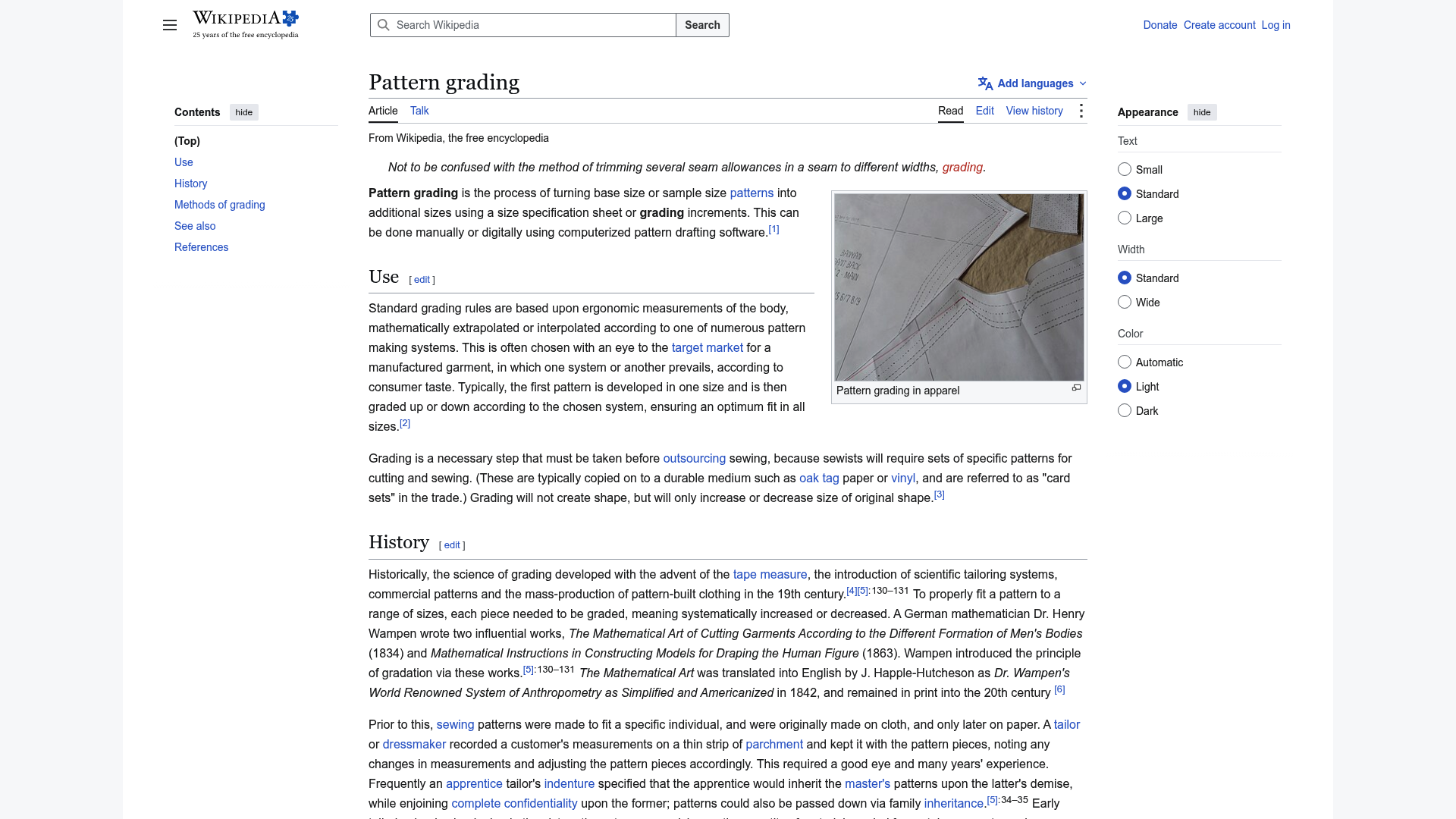
For a tech pack, that means you can't inherit "standard" grade rules and trust them. Explicit grading tolerances per size, tied to return-data patterns, let recurring fit complaints feed directly back into the spec. If the rule is wrong, a production run can look clean on the line and still carry the same tension problem into every finished garment.
Lab tests and factory audits that catch failures before shipping
Sample testing is where the tech pack gets proven. A WRAP and Defra end-of-life survey found the two most common causes of garment failure are pilling and colour fading, followed by fabric breakdown and dimensional-stability loss. So a wash-cycle test that only checks shrinkage misses most of what actually sends garments to landfill.
A thorough audit runs samples through repeated laundering, then scores them on pilling, fade, seam integrity, and shape recovery. That same durability research highlights interlock knit seam strength and notes that seams along the wales direction hold more strength. Documenting those seam-strength targets in the tech pack gives a factory audit a real number to verify, not a vague "must be durable."
One honest caveat on price. The same research notes that fabric breakdown is more likely in lighter, lower-quality fabrics, and those get chosen to hit retail price points. If a brand cuts fabric spec to protect margin, no factory audit saves the garment. That trade-off has to be decided at the tech-pack stage, not blamed on the sewing floor later.
Elastic fiber only wins when the grade rules are right
Elasticity forgives the grading imprecision traditional size charts can't escape, which is exactly why it needs its own line in the tech pack rather than an assumption baked into the fabric choice. Recovery rate matters as much as stretch percentage: a fabric that stretches well but returns slowly will bag out at the knees and seat after a handful of wears, and that's a spec worth calling out with a target recovery figure the audit can measure.
But elasticity has a blind spot. Stretch can mask pattern flaws during a short sample review, especially when the garment is judged on a body close to the original fit size. A stretch-aware tech pack accounts for this by specifying grade rules validated against a rigid muslin first, then confirmed in the stretch fabric. Pair accurate grading with documented recovery targets, and you get plus-size activewear that survives the tenth wash and the tenth wear.
Consumer Insights: What Plus-Size Shoppers Expect and Report After Washes
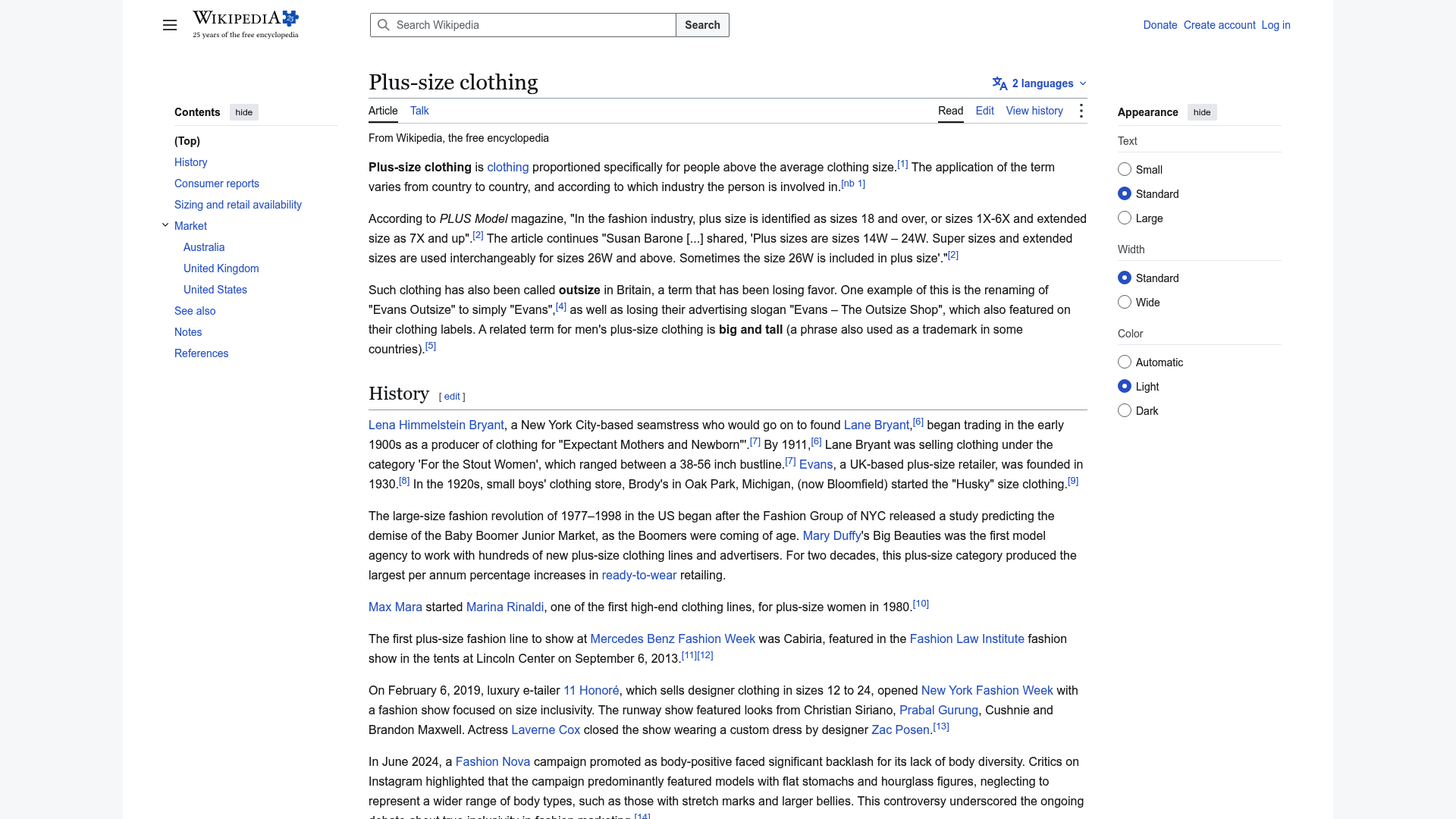
When plus-size shoppers talk about activewear, one theme comes up before price, before color, before anything else: will this survive the laundry? For plus athleisure buyers, durability isn't a nice-to-have. It's the whole gamble. A pair of leggings that sags at the knee after three washes doesn't just disappoint. It confirms a suspicion these shoppers already carry.
That suspicion has roots. A qualitative study of plus-size pant fit found consistent dissatisfaction with how their clothing fit, pants most of all. When fit is already a sore spot before the first wear, any post-wash shape loss lands harder. The garment failed twice: once in the fitting room, again in the dryer.
Shoppers grade us on the tenth wash, not the first
The emotional weight of early garment failure runs bigger than the dollar cost. When a piece of plus activewear loses its stretch or goes shapeless, shoppers read it as a message about who the brand actually designed for. Trust erodes fast, and it rarely comes back with a coupon.
The repeat-purchase math backs this up. Shoppers who return a first order rarely give a second chance, and finding a replacement customer costs far more than keeping the one who already bought. That's why the tenth-wash review matters more than the launch-day sale. A garment that holds its shape past the return window is the one that turns a skeptical first-time buyer into someone who reorders in three colors.
What post-wash complaints actually sound like
The language shoppers use is blunt. Shrinkage. Pilling. "Lost its stretch." "Went baggy in the seat." These aren't vague gripes. They're specific failure points, and they map directly onto fiber and construction choices made long before purchase.
One honest scope line: no fabric survives careless care forever. Most post-wash complaints trace back to heat, not time. High dryer temperatures and overloaded machines do more damage in one cycle than months of gentle washing. A fiber chosen for comfort and everyday wearability, paired with care instructions shoppers will actually follow, keeps a piece feeling good to reach for. That comfort is also what keeps a garment in rotation, worn again and again rather than set aside.
How to build wash-resistant plus-size activewear this season
Most plus athleisure doesn't need a reinvented supply chain to survive the wash. It needs three decisions made in the right order: fiber first, grading second, feedback loop third.
That sequence is worth building around. The fiber choice does more heavy lifting than most brands admit, and it's often where wash-resistant plus athleisure gets won or lost before a single seam is sewn.
Start with a fiber that absorbs movement instead of fighting it
Here's the counterintuitive part. Research on fabric and garment durability found that woven fabrics, despite feeling more compact and rigid, are actually more prone to breakdown because their low elasticity can't absorb and dissipate the shock of movement. Elastic knits flex with the body and shed that stress instead of concentrating it.
That's the whole case for a considered fiber. The practical test for any brand is recovery: does the knit snap back after being stretched, or does it hold a stretched memory? A fiber that recovers cleanly keeps seams and print zones from sitting under residual tension between wears. Pick the fiber for how it behaves after the fifth stretch cycle, not how it feels off the bolt, and half the durability battle is decided before construction begins.
Pair elastic fiber with stress-aware grade rules
Elasticity is only half the answer. A stretchy fiber cut on bad grading still fails, just more quietly. Shupe flags this in her grading breakdown: brands have to revisit the assumptions behind their larger sizes instead of letting inherited rules keep producing the same complaints.
That's where fiber and pattern work have to meet. The material can absorb movement, but the cut decides where that movement goes. If a garment is asking one panel to compensate for a missing fraction of rise, the best knit in the room is still being used as a bandage.
So grading deserves its own attention, not treatment as a scaling afterthought. A quality fiber buys some forgiveness for the proportion range plus bodies actually span. It can't rescue a lower-body block that was never tested against the shapes it's supposed to serve.
Treat return data as your free R&D department
The last strategy costs almost nothing. Shupe's most practical point: brands that ignore their return data see the same fit complaints recur every season until the grade rules get revisited. Returns are a map of where your grading and construction failed.
Log post-wash feedback by size, not just by style. A community that tells you which piece sagged at which size after how many washes is handing you a grading correction for free. Community and connection sit at the center of what we do, and that same spirit of women uplifting one another is what makes honest fit feedback flow in the first place.
Skip the elaborate lab if your volume is small. But never skip the fiber decision or the return-data review. Those two carry the durability.
References
[1] Fixing Fit Issues: Grade Rules and Sustainable Design | Bonie Shupe ... - https://www.linkedin.com/posts/bonieshupe_techpack-gradingrules-productdevelopment-activity-7437947213852532736-EOVT
[2] Durability of fabrics and garments - ResearchGate - https://www.researchgate.net/publication/288455457_Durability_of_fabrics_and_garments
[3] Exploring the Relationships of Grading, Sizing ... - ResearchGate - https://www.researchgate.net/publication/270678247_Exploring_the_Relationships_of_Grading_Sizing_and_Anthropometric_Data
[4] "Qualitative Research on Pant Fit: To Improve Plus-size Fit in the Plus" by ... - https://digitalcommons.lindenwood.edu/theses/80/
Common Questions
1. Can I just size up to avoid the tight-crotch wear problem?
Usually, no. Sizing up may add room in one area while leaving the underlying proportion problem intact. If the pattern block is wrong, the strain simply moves to another seam or creates new issues like slipping, twisting, or excess fabric where you do not want it.
2. Does washing technique actually change how long activewear lasts?
Yes. Care habits can accelerate damage, especially when garments are exposed to aggressive drying or packed too tightly to rinse and tumble properly. Gentle washing cannot fix a flawed pattern, but it can help a well-built piece keep its hand feel, color, and recovery longer.
3. How can I tell before buying whether leggings will bag out at the knees?
Look for how the fabric behaves after you release it. A knit that rebounds quickly is more promising than one that feels buttery but stays elongated. Also check the garment after a few minutes of movement if possible; early knee slack is a warning sign that the yarn structure may relax too easily.
4. Why does cotton thread wear out faster than synthetic on the seams that move most?
The issue is flexibility. On seams that bend, stretch, and rub all day, the thread has to move with the surrounding knit. Synthetic core threads usually tolerate that repeated motion better, while cotton-heavy thread can become the rigid element in an otherwise flexible area.
5. Is Peruvian Pima cotton a smart choice if fiber alone can't fix bad grading?
Yes, when it is used as part of the whole system. Peruvian Pima cotton supports the comfort and breathability shoppers want in daily athleisure, but the pattern still has to respect plus-size proportions. The best result comes from pairing the fiber with careful grading, real fit testing, and honest wash feedback.