Plus-Size Brands That Stock Certified Peruvian Pima Cotton Past Size 3X
September 26, 2026
Quick Summary
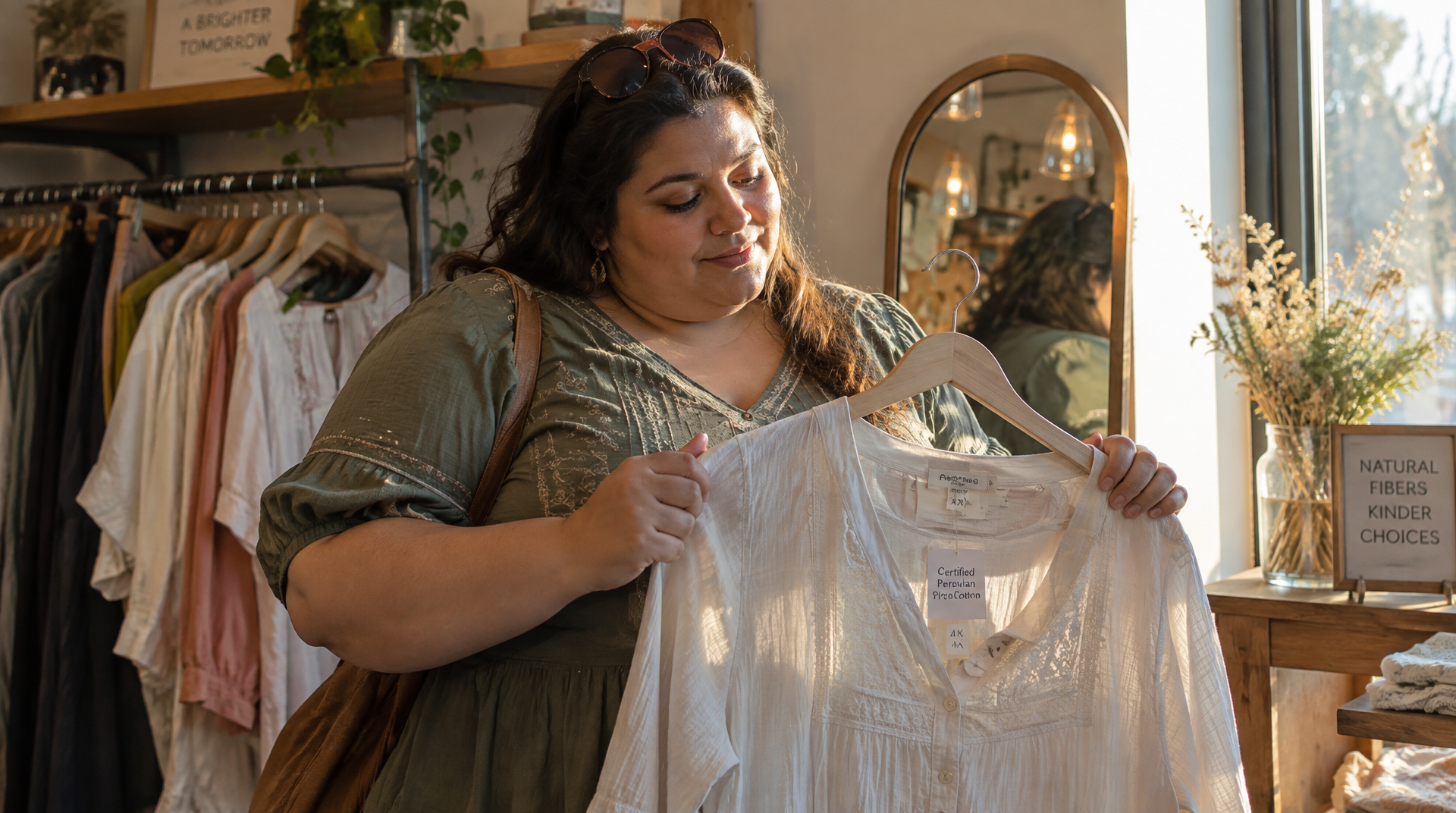
Want athleisure in certified Peruvian Pima cotton? Your choices vary by label. Some brands lead on organic certification. Some lead on tailored fit through the hips and bust. A few combine both with a softer hand-feel. The snag: size-inclusive activewear skews toward synthetics, and Pima-based lines are still a small field. Black Pearl Yoga Wear's current Pima line runs XS through XXL with a relaxed cut, so it is not an option for sizes past 3X. For broader size ranges, use this as a category overview and check each label's current size chart.
Here's how the options line up, sorted by who each one serves best.
| Best For | What to prioritize | Starting price signal |
|---|---|---|
| Everyday luxe softness | 100% certified Peruvian Pima, breathable hand-feel | Black Pearl Yoga Wear, tanks from $31.99 |
| Certified-organic purists | Third-party fiber certification, low-impact dyes | Varies by label |
| Max-support performance | Compression, sweat-wicking blends, high-impact fit | Varies by label |
| Budget size-inclusive basics | Wide size runs, frequent restocks, low entry price | Varies by label |
We build our own line around that first row. Tanks start at $31.99, culottes at $61.99, the full-zip jacket at $85.99, all made in Peru from 100% certified Peruvian Pima cotton with a fit designed for movement rather than squeezed into it.
Where Peruvian Pima wins and where it doesn't
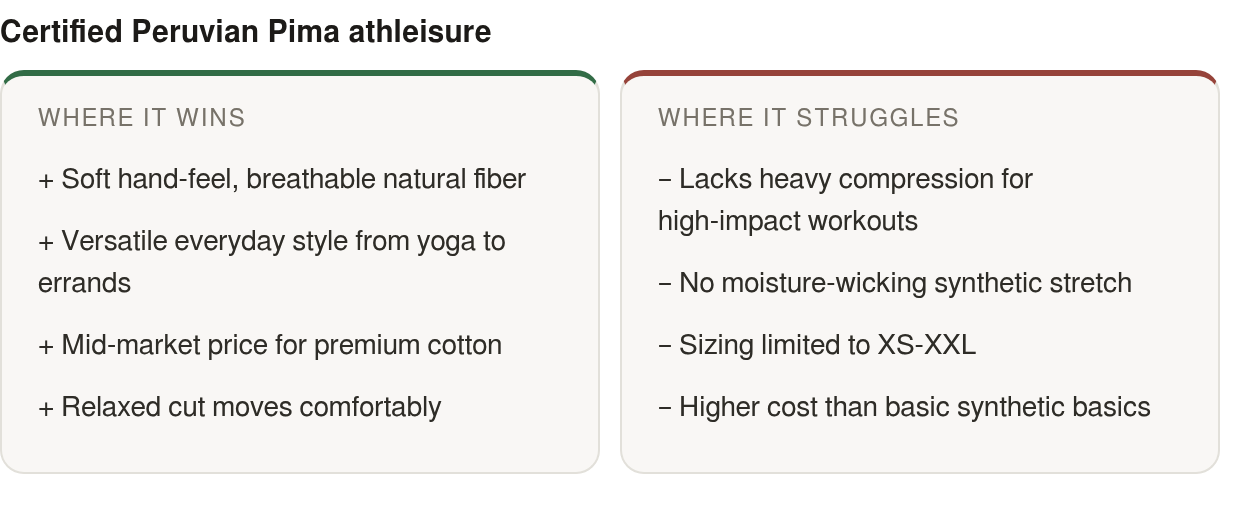
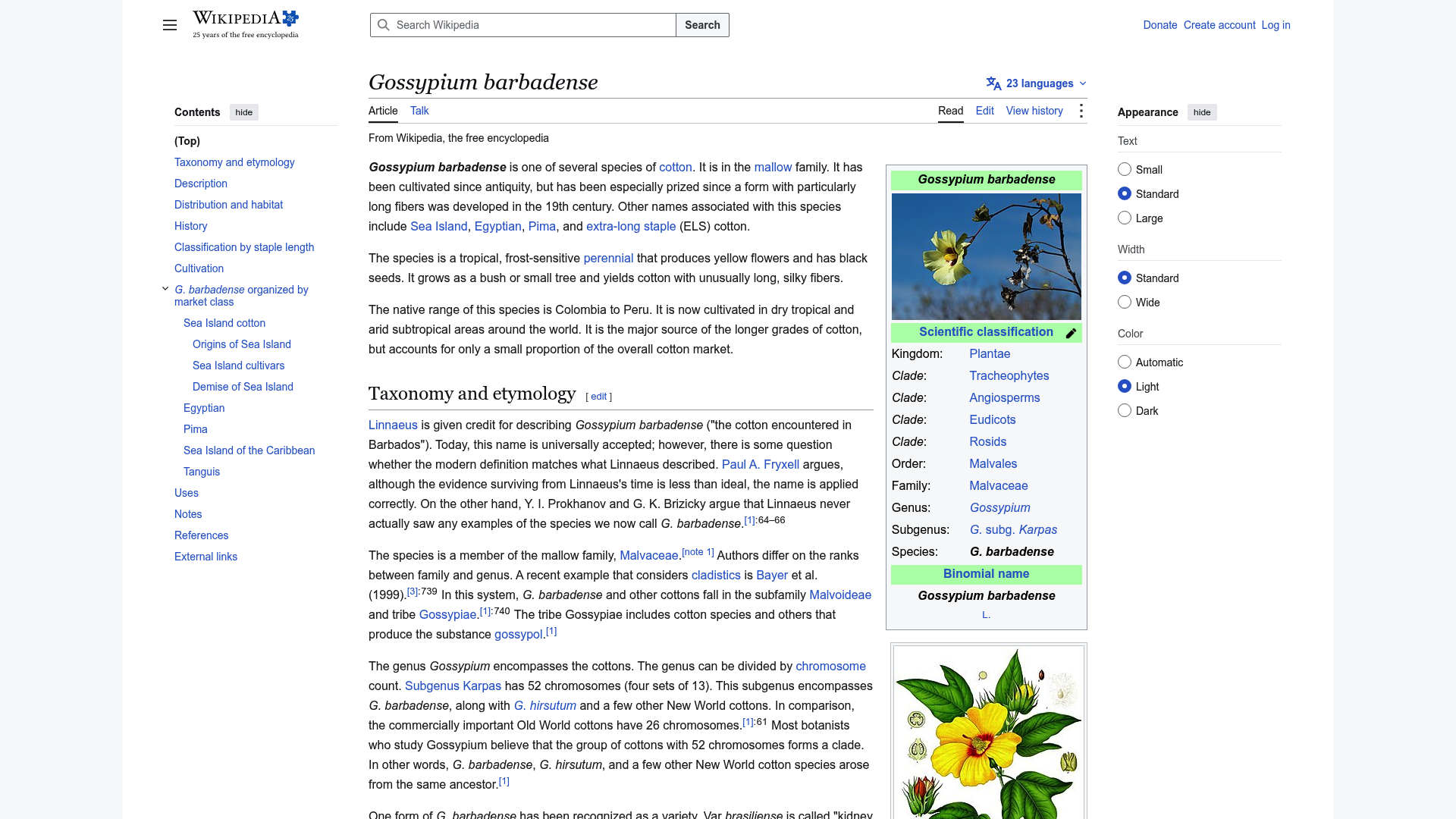
Certified Peruvian Pima tends to be a good pick when you want breathable, long-fiber softness. The extra-long fibers can help with color retention and shape, though results vary by garment and care.
Skip Pima if your priority is heavy-compression, high-sweat training. Cotton breathes, but it does not wick like a synthetic blend, so hot-yoga sprinters and runners may prefer a technical fabric instead.
For everyone else—warm-studio practice, casual layering, gym-to-errands wear—natural-fiber comfort can be a sweet spot. That is the space our Pima gear is built for: softness and easy movement from yoga to the rest of your day.
Key Takeaways
- Black Pearl Yoga Wear's certified Peruvian Pima line sits in an accessible mid-market price band for natural-fiber athleisure.
- Certification-focused labels may add a premium once third-party fiber certification and low-impact dyes are factored in, but the amount varies.
- Peruvian Pima's extra-long staple gives it a smooth, resilient feel many shoppers associate with higher-end cotton.
- Size ranges vary by label; some performance lines extend past 3X, while smaller certification-focused labels may have more limited runs.
- Cotton is strongest for breathability and comfort, while nylon-spandex knits still dominate high-impact compression.
Why no single brand wins
No single label wins on every front. Certification, fit, price, and support each pull in a different direction. What you gain in fiber certification you may give up in tailored shaping, and the softest hand-feel rarely comes cheapest.
Our line leans into breathable, everyday-luxe pieces that carry you from yoga to errands without a second thought. That focus will not be right for every use case, so here is where alternatives may make sense.
The cost and fit trade-offs are real
If you want a legging that locks in place through high-impact movement, a performance synthetic is usually the better tool. Pure cotton is made for comfort and airflow, not the firm, sculpting grip that technical knits are designed to provide.
Price is another honest gap. Certification, traceable sourcing, and lower-impact finishing often push certification-first labels above entry-level activewear. Where you land depends on whether the story behind the fabric or the lowest checkout total matters more to you.
When your size is still moving
Bodies shift. If your size is climbing through the upper end of the plus range, a brand with reliable restocks and consistent grading may matter more than any single fabric spec. Some athletic labels go broader than smaller natural-fiber shops, and that difference can affect whether a style remains wearable for you next season.
| Option | Best cost fit | Feature strength | Growth flexibility |
|---|---|---|---|
| Our line | Mid-market | Certified Peruvian Pima, breathable and versatile | Varies by piece |
| Certified-organic purist labels | Higher, certification-driven | Third-party fiber certs, low-impact dyes | Often more limited |
| Synthetic-blend performance brands | Budget to mid | Compression, moisture-wicking | Often broad, but check current size charts |
Our sweet spot is everyday luxe softness in pieces that transition from workouts to casual outings. If you need competition-grade compression or the lowest price on the rack, one of the alternatives above may serve you better, and we would rather say so up front.
Alternative 1: Certified Pima specialists (our line)
We built our whole line around a simple frustration: too much athleisure prioritizes slick synthetics over materials that feel good against your skin. So we chose a fiber that stays soft through daily wear.
That approach is still less common in everyday activewear. You get a refined feel with versatile designs that can carry you from a flow class to a coffee run. For anyone who has given up on athleisure that feels soft and looks good, that is the space we set out to fill.
What makes our Pima different
Peruvian Pima gives our pieces a smoother feel than basic cotton jersey, and certification adds clarity about the fiber itself. We chose it for quiet luxury rather than shiny performance styling: matte, soft, breathable, easy to layer.
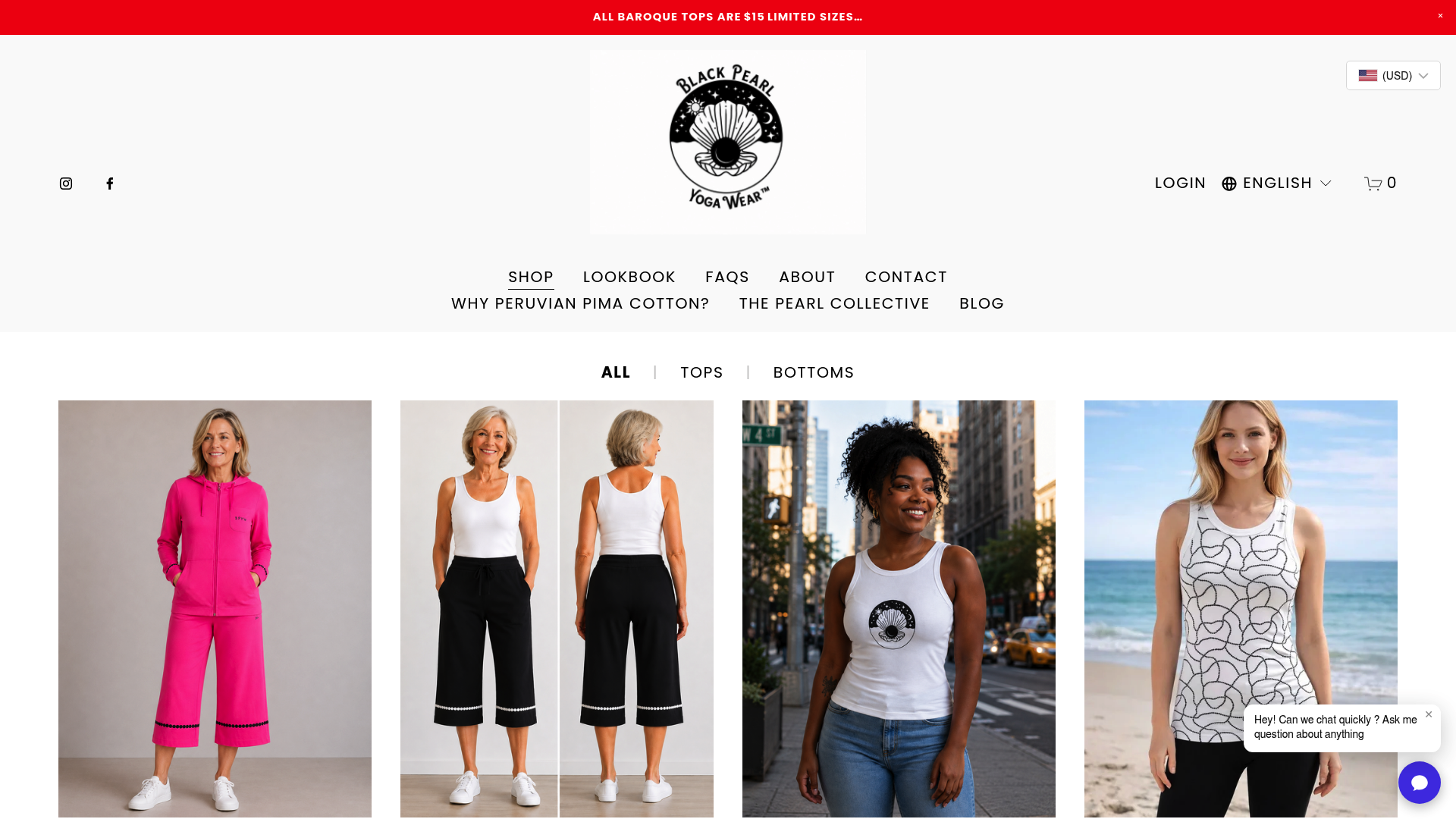
The everyday win is how relaxed the pieces feel once you are moving. A tank works for a slower class, then still looks intentional under casual layers afterward.
Who should skip it
Be honest about your training. If you want a firm, locked-in feel for heated classes or interval work, a technical synthetic may suit that better. We are built for softness and everyday movement, not max-support performance.
Most pieces are priced to make trying the fabric feel approachable. Sizing runs XS through XXL, with a relaxed cut across the range. That means our current Pima line does not extend past 3X.
| Feature | Our Pima Line |
|---|---|
| Fabric | Certified Peruvian Pima cotton |
| Style | Versatile, chic, timeless designs |
| Fit | Comfortable ease of movement |
| Best for | Everyday luxe softness and low-impact yoga |
| Sizing | XS through XXL, relaxed cut |
| Pros | Soft hand-feel, breathable, certified fiber, versatile styling |
| Cons | Not built for heavy compression or high-impact wicking |
The recommendation is straightforward. If breathable, certified-cotton softness with versatile everyday style is your priority, start here. If you live in high-intensity training, pair us with a synthetic set for the sweaty days.
Alternative 2: Certified-organic purists
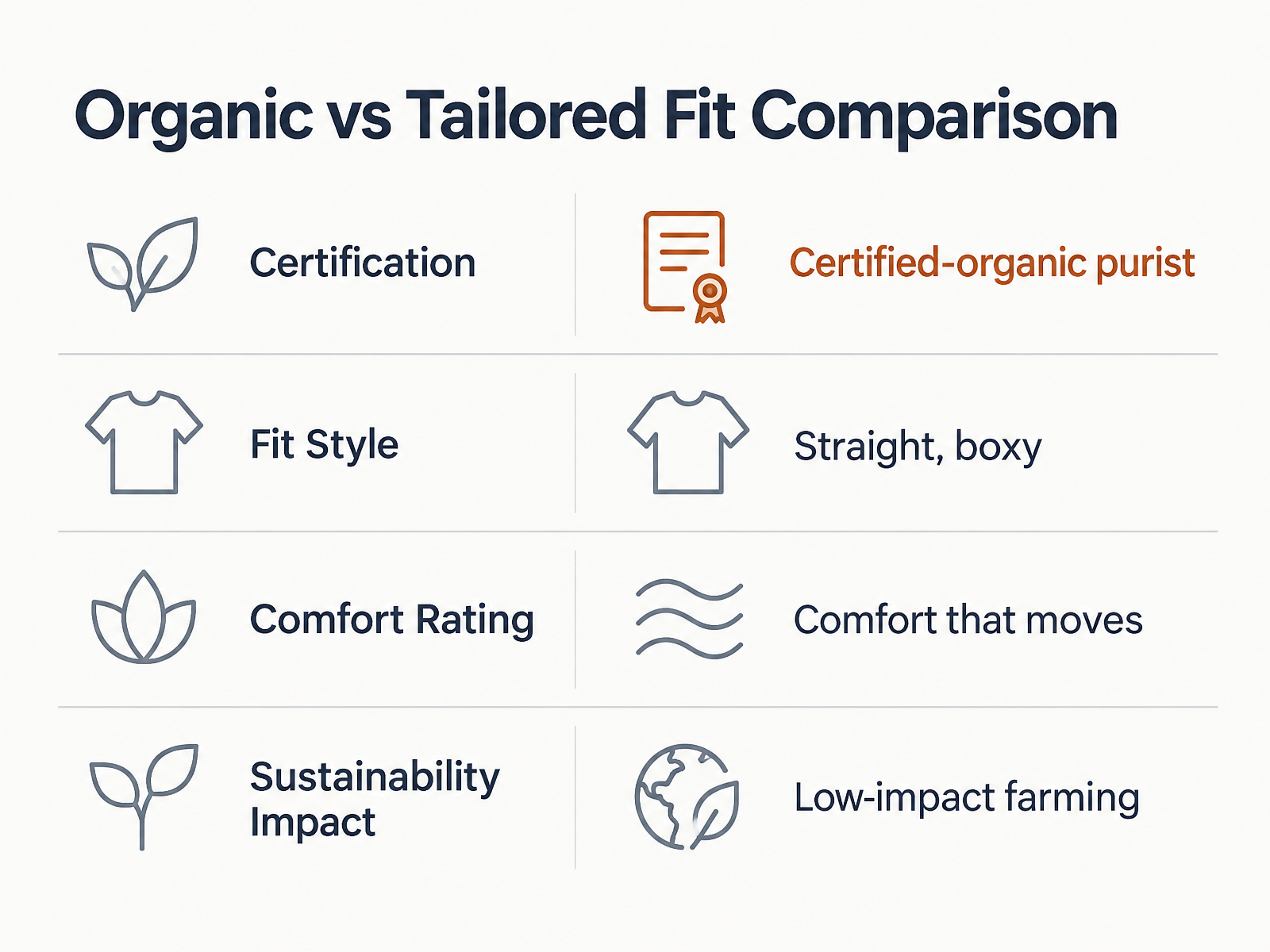
If third-party fiber certification is your top priority, the second category worth a look is certification-focused labels. These brands tend to emphasize where the cotton comes from and how it was grown, rather than tailored shaping. For anyone shopping plus athleisure who cares more about low-impact farming than a sculpted silhouette, this may be a match.
The trade-off can show up in fit. Some certification-first brands lean toward straighter, more relaxed cuts that read as loungewear more than performance gear. You may get the certification story you want, but movement-friendly construction can be an afterthought. That is the gap we kept in mind when we built our line around comfort and versatile designs.
Who the organic-purist route is right for
Consider this category if certification paperwork is your deciding factor and you are mostly wearing the piece for gentle movement or errands. The fiber quality can be excellent. Just do not expect the garment engineering of a dedicated activewear piece.
Skip it if you want gear that stays put through a flow class. Straight-cut tanks can ride up and shift, which may defeat the purpose for active use.
How it compares on fit and feel
Here is a general contrast between this route and our approach.
| Attribute | Organic-purist labels | Our line |
|---|---|---|
| Seam construction | Varies by label | Details vary by piece; designed for movement |
| Fit & movement | Often straight or relaxed | Comfortable fit, ease of movement |
| Hand-feel | Varies by mill | Long-staple, luxe softness |
| Best use | Lounge, light movement | Yoga to everyday wear |
| Size range | Often more limited | XS through XXL, relaxed cut |
Pick this category when your checklist starts and ends with certification. Both routes can offer clean fiber. If you want certification and comfort together, check seam details and size charts rather than assuming the fiber story covers fit.
Alternative 3: Performance-first synthetics
The third category is the performance-first label: high-compression synthetic blends built for sweat and hold. If your workout runs hot and hard, this may be the honest match. Pure cotton will not beat technical knits at sweat management, and we will not pretend it does.
These lines lead with function. Four-way stretch, moisture-wicking panels, and compression that stays put through burpees and inversions are common selling points. For athletes who train at high intensity, that support can be the point.
Where synthetic blends earn their keep
The trade-off is feel and origin. Synthetics move sweat well but rarely deliver the same natural softness as premium cotton. They also may skip the fiber-certification story, so if you care where your material comes from, this category can go quiet on that front.
Pricing tends to sit higher, especially for compression construction and technical fabrics. You may pay for the hold.
Durability is worth weighing as well. Elastane can lose its snap over time, and heat can shorten a technical garment's usable life. That is why care labels often push cold water and air drying. Check the garment care guidance rather than assuming longevity.
Who the performance camp is right for
Reach for this option if high-impact hold is your priority above all else. Hot yoga, HIIT, and heavy strength work often reward compression that a soft cotton knit cannot match.
Skip it if you live in your activewear all day. Synthetic compression can feel clammy during long stretches of casual wear, and that is where our Pima line steps in. For the crossover between studio and daily life, softness wins. For pure performance, this category holds the edge.
Alternative 4: Cotton-blend hybrids
The fourth category splits the difference: cotton-blend hybrids that add a small percentage of elastane or modal to Peruvian Pima so you get a touch of stretch without going full synthetic. For shoppers who want shaping through the hip and thigh but do not want to give up cotton comfort, this can look like a middle ground.
The pitch makes sense. A little stretch can mean better recovery, so leggings may hold their shape through a full day of wear. You keep much of the soft Pima hand-feel while gaining some of the give pure cotton cannot offer. It is one possible answer to the fit problem.
Where the blend helps and where it costs you
The trade-off is purity and longevity. Once you add elastane, the fabric may behave differently under repeated wash cycles. Blended fibers can also show wear differently than pure long-staple cotton, depending on the processor and care. Check care labels and fiber percentages before buying.
Consider this category if stretch-and-recover shaping ranks above fiber origin for you. It may suit someone who wants one legging that works for both a flow class and errands, and who is willing to trade some durability for flexibility.
Here is how the hybrid category stacks against our pure-cotton approach.
| Camp | Fiber makeup | Best for | Trade-off |
|---|---|---|---|
| Pure Pima approach | Single-fiber Peruvian Pima | Everyday luxe softness, breathable wear | No synthetic stretch |
| Cotton-blend hybrid | Pima + elastane/modal | Stretch-and-recover shaping | Different durability and care profile |
Our pieces stay single-fiber rather than chasing synthetic recovery. That choice keeps the feel clean and breathable, and it avoids the mixed-material compromise that can make care and wear less predictable over time.
So if stretch shaping is your top priority, the hybrid category may earn a look. If longevity and a clean fiber story matter more, the single-fiber route may hold up better over the life of the garment.
Alternative 5: Size-extended value brands
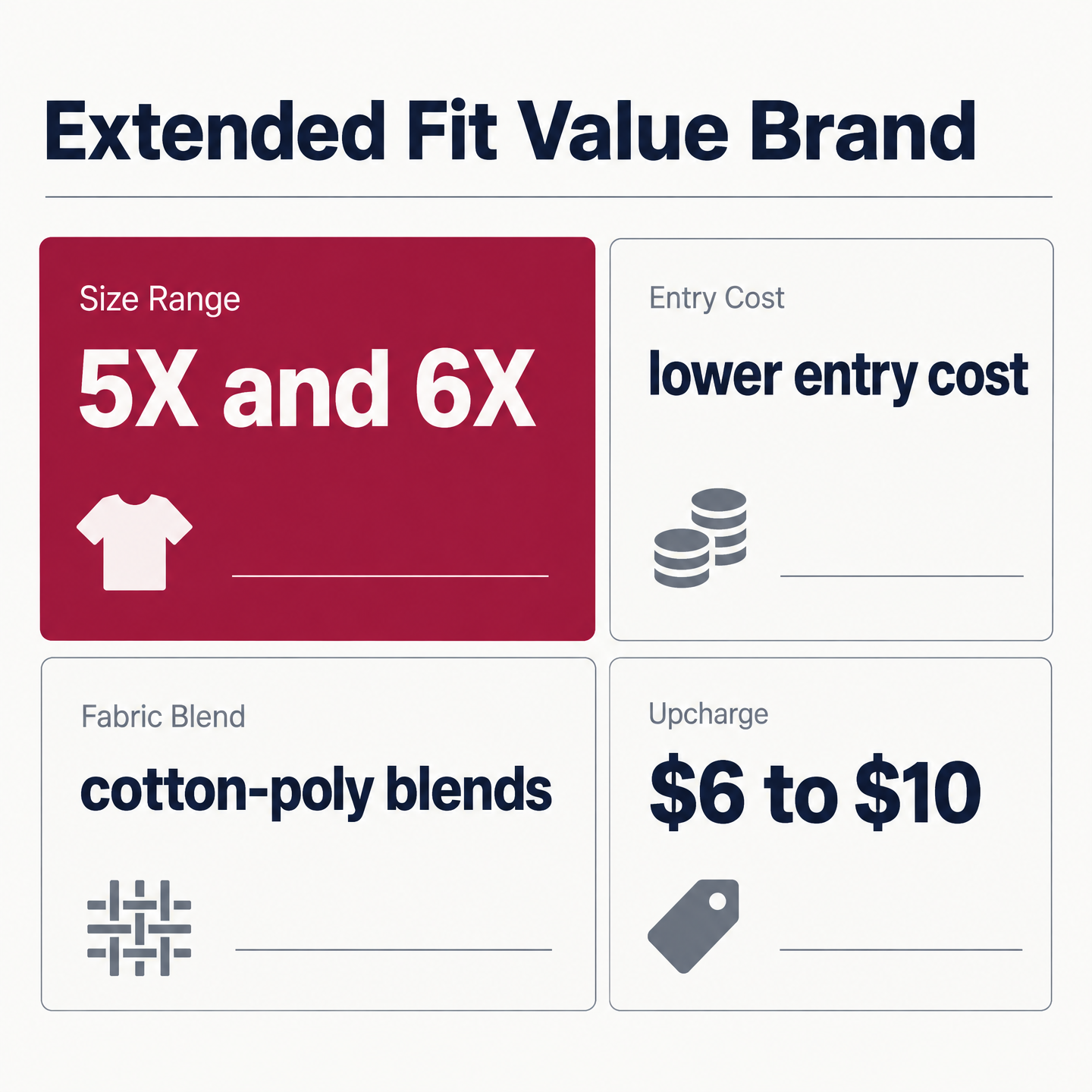
The fifth category is the size-extended value brand. These labels may advertise ranges past a 3X, sometimes into 5X and 6X, and they lead with accessibility over premium fiber. For shoppers who need a true extended fit at a friendly price, this may be the obvious match.
The appeal is real: a wider size run and a lower entry cost, which matters when performance activewear in extended sizes can feel like a luxury tax. The catch is fabric. Value-first lines often use cotton-poly blends or basic jersey, not certified long-staple Pima, so the luxe hand-feel and certification story may drop off.
Who the value-first brand is right for
Consider this category if size range and budget top your list, and you are fine treating your leggings as workhorses rather than heirlooms. It can be a smart pick for building a rotation of everyday basics without overspending.
Skip it if origin and material quality drive your decision. The cotton may not be certified, shaping may be minimal, and softness can fade sooner depending on care and fabric weight.
Watch the fine print. Some value labels quote a low headline price on a single tank, then charge differently for extended sizes. Fabric weight is another tell: lighter jersey can go sheer under stretch, while a heavier knit may hold its shape and opacity longer. If you plan to wear these hard, factor replacement frequency into the cost.
How the value camp stacks up on cost
| Factor | Value-first brand | What to check |
|---|---|---|
| Entry price | Lowest of the five camps | Whether it is the base size only |
| Extended-size pricing | May vary by size | Cost at your actual size |
| Fabric weight | Often lighter jersey | Opacity under stretch |
| Longevity | Can vary widely | Cost per wear over time |
Weigh the sticker price against how often you will replace the piece, and the real value of this category comes into focus.
Alternative 6: Boutique ethical makers
The sixth option is the boutique ethical brand. These are slow-fashion shops that stake their story on traceable supply chains and fair labor, not on a broad size run or heavy compression. For shoppers who want to know exactly whose hands made the garment, this may be a strong match.
We respect this category because it overlaps with our own values. It is the closest neighbor to what we do with certified Peruvian Pima. The difference is often scale and focus. Ethical brands may run small drops and limited runs, so restocks can become a waiting game.
Small-batch ethics come with a waiting list
The appeal is transparency. You may get named factories, living-wage claims, and low-impact production, which matters if the ethics of your closet keep you up at night. Slow-fashion athleisure can feel good to buy and often feels good to wear.
The trade-off is availability and price. Many of these labels release limited collections, so a sold-out legging can mean a wait for the next cutting run. Some brands cap production per style, which keeps ethics tight but leaves shelves empty. Premium sourcing can also push waitlist deposits and pre-order windows into the buying process, and returns may be limited when stock is thin.
Check how a brand handles restocks before you commit. Ask whether sizes carry over between drops, whether pre-orders lock in your size, and how long the typical production cycle runs. A shop that publishes its factory list but stays vague on lead times may leave you refreshing a product page for weeks.
Consider the ethical brand if a named factory and a living-wage promise top your list, and you can plan purchases around limited drops. Skip it if you want a fiber you can rely on finding in stock. When you want a certified Peruvian Pima line that is ready to ship and made to feel luxuriously soft from yoga to everyday life, ours delivers that comfort without the wait.
Alternative 7: Mainstream mass-market
The seventh category is the mainstream mass-market brand: the big athleisure names you already know from the mall and your feed, the ones that carry a plus range at scale and keep prices low through volume. For shoppers who want easy basics, fast restocks, and free returns, this is the convenience play.
The draw is convenience: a deep bench of colors, quick shipping, and sizing that rarely sells out. That matters when you need a reliable pair of leggings this week. The trade-off is fiber. Mass-market plus athleisure often leans on recycled polyester and nylon blends, so the certified long-staple cotton story and luxe hand-feel may not be present.
Where mass-market wins and where it falls short
Scale is what this category does well. When a label produces at high volume, it can hold prices down and keep extended sizes in stock year-round. That reliability is genuinely useful if your closet runs on repeat buys rather than special pieces.
Skip this category if traceability or natural fiber is your priority. These lines rarely publish where the cotton comes from, and a synthetic base means the soft, breathable feel of Peruvian Pima may not be on the table. You are buying availability, not certification.
Watch the fine print too. Synthetic blends can trap odor and show wear differently than natural fibers. A lower sticker can sometimes mean a higher cost per wear once you count the pieces that wear out and get tossed.
How the options compare
Mass-market pieces score high on speed, color range, and price, and lower on fiber origin, breathability, and long-term durability. Natural-fiber lines flip that balance, trading fast restocks for a hand-feel and traceability that may hold up differently.
The honest read: choose a mass-market label when speed and price beat everything else. When origin and longevity matter more than same-week shipping, that is where a certified natural-fiber line may earn its place.
Alternative 8: Resale and secondhand
The eighth category is the resale and secondhand marketplace: peer-to-peer platforms and consignment shops where preloved activewear gets a second life at a fraction of retail. For shoppers who want to shrink both their spend and their footprint, this route has real appeal.
The logic is straightforward. Buying used keeps garments out of landfill and can put premium fiber within reach at resale prices. You might snag a certified Pima piece or a high-end legging that would have been out of budget new. That eco angle overlaps with why we built our line around long-lasting Pima in the first place.
Secondhand trades certainty for savings
The catch is inventory. Resale is a treasure hunt, not a size run. Extended sizes in the fabric and cut you want can be harder to find, and restocks are not guaranteed.
Condition is the other variable. A well-worn legging may have lost its stretch or shape, and cotton pieces show wear differently than synthetics. You save money, but you give up the guarantee of a fresh, new-garment fit and the certification paperwork that comes with buying direct.
Who the resale camp fits best
Consider secondhand if budget and sustainability sit at the top of your list and you enjoy the hunt. Skip it if you need a specific size in a specific fabric on a deadline.
A few things worth checking before you commit to a used piece:
- Pilling and thinning at high-friction spots like inner thighs and underarms, where resale photos rarely show detail
- Waistband recovery, since a stretched-out band may not bounce back no matter the price
- Seller return terms, which vary widely and often disappear when a final-sale tag is attached
- Original care history, since hot washes and dryer heat can shorten a fabric's remaining life
Resale is a smart move for stretching a wardrobe budget, and we respect the low-waste logic. But when you want a fresh, new-condition fit in certified cotton, buying direct removes the guesswork the secondhand route cannot.
How to pick the camp that fits you
After eight camps, the shortlist gets simple. Every option in plus athleisure trades something away, so the right pick comes down to what you refuse to compromise on: certification, fit, support, size range, or budget.
We will say plainly where we fit. Our line is built for everyday softness in certified long-staple Pima, made for easy movement across a full day of wear. It is meant to carry you from a yoga flow to everyday life, not to stand in for a synthetic performance blend.
Match the camp to your real priority
Here is the honest breakdown of who each option serves best.
| Best For | Your Camp | The Trade-Off |
|---|---|---|
| Everyday softness that lasts | Certified Pima specialists | Natural fiber, not a synthetic compression blend |
| Certification purists | Organic-first labels | May have a more relaxed or loungewear-leaning cut |
| High-intensity training | Synthetic performance blends | Loses the natural hand-feel |
| Shaping without full synthetic | Cotton-blend hybrids | Drops the single-fiber purity |
| True extended sizing on a budget | Size-extended value brands | Basic jersey, no luxe fiber |
| Traceable, named supply chains | Small-batch ethical makers | Limited drops and restocks |
| Fast restocks and free returns | Mainstream mass-market | Recycled poly, no certification |
| Lowest cost and lowest footprint | Resale marketplaces | Hit-or-miss inventory |
It comes down to how you actually wear it
For budget, the size-extended value brands and resale marketplaces may win. You get accessibility and a smaller footprint, but do not expect long-staple fiber.
For scale and speed, mass-market names can deliver deep color runs and quick shipping. That is the convenience pick when you need leggings this week.
For specific performance needs, synthetic blends handle sweat and hold that pure cotton cannot. Consider them when your studio runs hot.
And for the reader who wants activewear that feels genuinely soft, breathes well, and moves from a flow to a coffee run, our certified Pima is the space we set out to fill. Expect a natural-fiber piece that feels better with wear rather than chasing the tight snap of performance gear.
Pick the camp that protects your non-negotiable. Everything else is a detail.
References
Questions People Ask
Does Black Pearl Yoga Wear offer sizes past 3X?
Black Pearl Yoga Wear's Pima line runs XS through XXL with a relaxed cut, so it does not currently go past 3X. If your priority is the broadest possible size range, check the value or performance categories first, since those brands are more likely to build their offer around extended sizing.
Why do certified-organic cotton brands cost more?
They may charge more because the product has to support verified sourcing, certification paperwork, and lower-impact production choices. The trade-off can be that some certification-first brands invest more heavily in the fiber story than in sculpted activewear fit.
What's the difference between pure Pima and a Pima-elastane blend?
A Pima-elastane blend adds stretch and recovery, which can help with shaping through the hip and thigh. Pure Pima keeps the fabric story cleaner and avoids the mixed-fiber compromise, but it will not provide the same compression feel as a stretch blend.
How can I spot a budget legging that won't last?
Look closely at opacity, seam strain, and whether the listed price applies to your actual size. Thin jersey, vague fabric details, and final-sale terms can be signs that the low sticker price may come with a shorter useful life.
Is buying secondhand activewear worth it past a 3X?
It can be worth it if you enjoy hunting for deals and can be flexible on fabric, color, and cut. Before buying, study photos for high-friction wear, check whether the waistband still looks firm, and make sure the seller’s return terms work for you.
How often do synthetic performance leggings need replacing?
Replacement depends on how often you train, how you wash them, and whether you use dryer heat. Cold water and air drying may help preserve compression, while frequent hot washing and heat can shorten the life of synthetic activewear.