Nine Eco-Friendly Fabrics Shaping Modern Wardrobes
October 5, 2026
Quick Summary
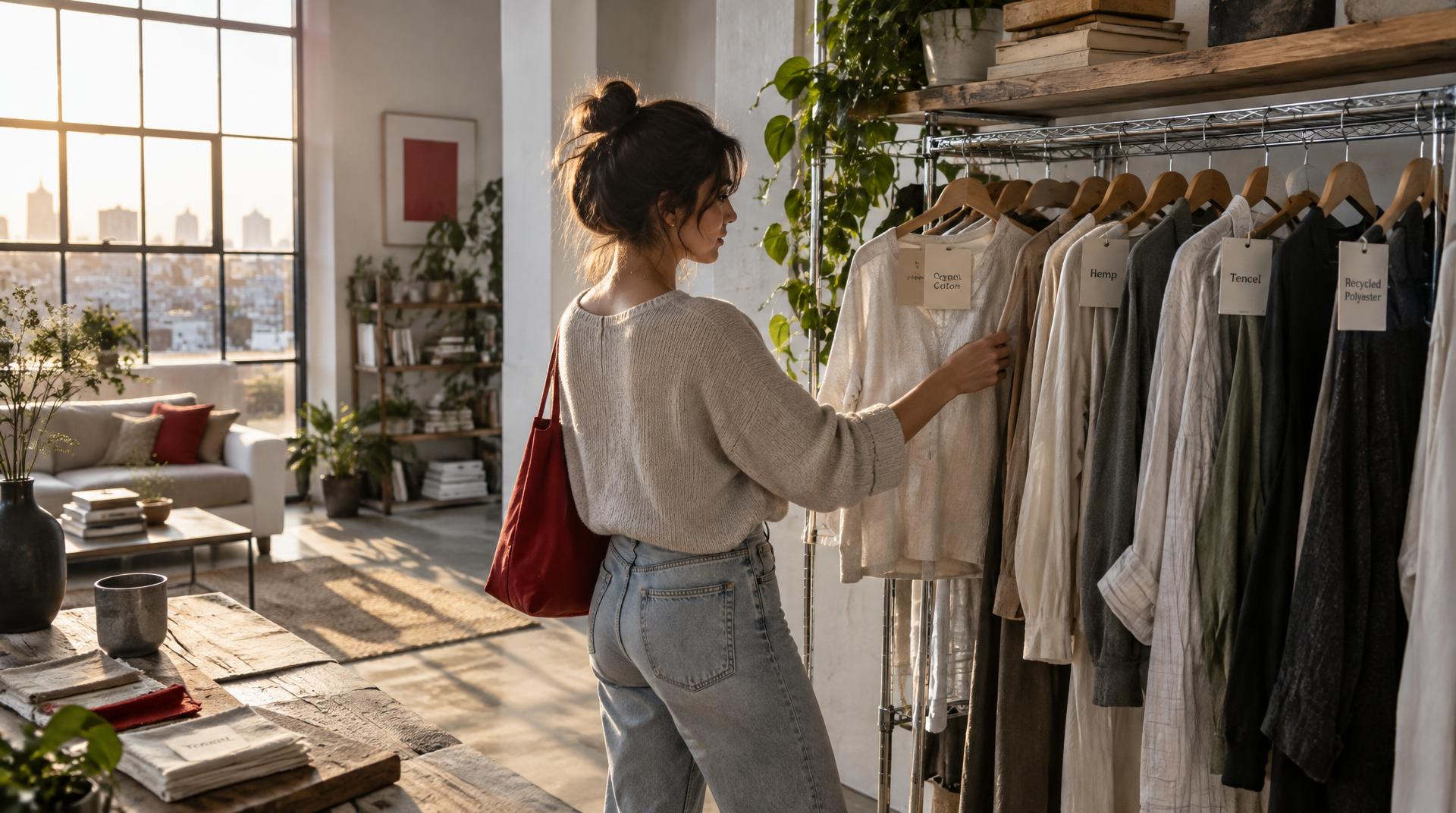
You're choosing organic athleisure for warmer days. Nine fabrics stand out when you look at the evidence. The list: organic cotton, hemp, linen, TENCEL™ lyocell, recycled polyester, recycled nylon, recycled cotton, recycled wool, and bamboo viscose. We've gathered sustainability data, comfort traits, certifications, and care guidance into one table.
Each fabric has its own job. Hemp has low water demand and strong carbon absorption per acre. Linen uses low-water flax, absorbs moisture without feeling damp, and carries European Flax® when the supply chain is traceable. TENCEL™'s closed-loop process recovers most of the solvents used. That lowers environmental load compared with conventional viscose. Organic cotton avoids synthetic pesticides and fertilizers. It generally uses less water than conventional cotton, though the exact figure depends on growing region and irrigation method. Recycled polyester saves energy and carbon compared with virgin polyester while diverting plastic from landfills. But it is still non-biodegradable and sheds microfibers during washing. Recycled cotton and recycled wool both save irrigation water and energy versus producing virgin fiber, though recycled cotton's shorter fibers can affect durability in some blends.
Fabric Comparison at a Glance
| Fabric | Feel & Comfort | Eco-Impact Evidence | Breathability | Care Ease | Best For | Certification / Gap Notes |
|---|---|---|---|---|---|---|
| Organic Cotton | Soft from day one, gentle on skin | Lower water use than conventional; avoids synthetic pesticides | Naturally breathable | Machine washable | Everyday tanks, tees, casual layers | GOTS, OCS, OEKO-TEX; lower yields may need more land |
| Hemp | Coarse initially, softens over time | Very low water demand; strong carbon absorption per acre | High airflow, moisture-wicking | Machine washable, softens with each wash | Durable activewear, outdoor pieces, structured garments | Few formal certifications; limited supply chain transparency |
| Linen | Crisp, textured feel that softens | Low-water flax fiber; traceable options through European Flax® | Excellent airflow, cooling effect | Wrinkles heavily | Warm-weather tops, wide-leg pants, relaxed fits | European Flax®, OEKO-TEX; wrinkle tolerance required |
| TENCEL™ / Lyocell | Smooth, silk-like drape with a cool feel | Closed-loop solvent recovery process | Highly breathable, moisture management | Gentle cycle, air dry recommended | Flowy dresses, soft leggings, moisture-wicking layers | EU Ecolabel, OEKO-TEX STANDARD 100; higher cost |
| Recycled Polyester | Synthetic handfeel, smooth but non-breathable | Lower energy and carbon than virgin polyester; diverts plastic | Low breathability | Machine washable, quick drying | Performance leggings, windbreakers, bag linings | GRS; still sheds microfibers, non-biodegradable |
| Recycled Nylon | Durable, slightly coarser than virgin nylon | Repurposes fishing nets and textile waste; fewer resources than virgin nylon | Low to moderate breathability | Machine washable, dries fast | High-impact activewear, swimwear, outdoor gear | GRS; same microfiber shedding concern |
| Recycled Cotton | Soft in some blends, fiber length varies | Saves irrigation water and energy; lower impact than new cotton | Moderate breathability | Machine washable, may pill more than virgin | Casual joggers, hoodies, everyday basics | GRS; shorter fibers can weaken fabric over time |
| Recycled Wool | Warm, soft, natural crimp and loft | Lower carbon footprint versus virgin wool; diverts textile waste | Excellent temperature regulation | Handwash or gentle cycle, air dry | Layering pieces, cool-weather activewear, base layers | RWS for virgin content; supply limited, higher cost |
| Bamboo Viscose | Very soft, silky drape | Fast-growing plant; chemical processing creates risk if not closed-loop | High moisture wicking, stays cool | Machine washable, gentle cycle | Yoga wear, soft tees, warm-weather basics | OEKO-TEX; viscose process needs closed-loop certification |
For daily care, cold water washing extends fabric life across all these materials, and air drying cuts energy use. Store pieces in a dry, ventilated space to prevent mildew on natural fibers. Skip the bleach on organic cotton and bamboo. It breaks down fibers faster and strips eco-friendly processing benefits. Hemp and linen need minimal fuss and improve with age. Recycled synthetics belong in a microfiber-catching wash bag to reduce plastic pollution during laundering.
What You Need to Know
- Natural fibers and recycled synthetics solve different wardrobe problems. The best pick depends on your climate, training intensity, and washing habits.
- Hemp and linen stand out for low-input farming, warm-weather comfort, and long-term durability.
- TENCEL™ lyocell is one of the stronger regenerated-cellulose options because its production system is designed to capture and reuse processing chemicals.
- Recycled polyester and recycled nylon reduce reliance on virgin fossil-based inputs, but synthetic fibers can shed during washing.
- Organic cotton skips synthetic pesticides and fertilizers while offering the soft, breathable feel many people want for daily wear.
- Recycled cotton and recycled wool help keep existing textiles in circulation, though fiber quality and supply availability can vary.
- Certifications such as GOTS, OCS, GRS, OEKO-TEX, European Flax®, and EU Ecolabel make fabric claims easier to verify.
Why Eco-Friendly Fabric Claims Deserve a Closer Look
You pull on leggings for a morning flow, and oil barrels are the last thing on your mind. Conventional activewear still carries a hidden cost: cotton production can require large amounts of water, and textile production creates wastewater and chemical runoff most of us never see.
The payoff is comfort you can feel. Organic cotton can use less blue water than conventional cotton, depending on growing conditions. TENCEL™ adds a smooth, silky hand with a production system designed to capture and reuse processing solvents.
One caveat: skip the vague "eco" tag. Since 27 September 2026, EU Directive 2024/825 bans generic green claims not tied to a certification scheme. We lean on proof, not buzzwords.
| Impact | Conventional | Lower-impact pick |
|---|---|---|
| Water | High irrigation | Hemp, linen |
| Chemicals | Synthetic pesticides | Certified natural fibers |
| Waste | Microplastic shedding | Natural fibers |
How to Read a Label Without Falling for the Green Halo
Labels are where sustainability claims either become useful or fall apart. Start with the fiber name, then look for the certification that supports the claim. "Organic cotton" should be backed by GOTS or OCS. Recycled polyester, recycled nylon, recycled cotton, and recycled wool should point to GRS or a comparable recycled-content standard. Linen is strongest when it carries European Flax® or another traceability marker. TENCEL™ lyocell is easier to trust when the brand identifies it by name rather than hiding behind a vague "plant-based" label.
Also check what the label doesn't say. If a garment uses bamboo viscose or another regenerated cellulose but gives no information about chemical management, wastewater treatment, or mill standards, the sustainability story is incomplete. Softness alone is not proof of lower impact.
Fabric #1 – Organic Cotton
Organic cotton is the default natural fiber for low-impact movement and everyday wear. The strongest reason to choose it is verification: GOTS or OCS confirm the fiber was grown without synthetic pesticides or fertilizers under audited organic standards.
Water savings are real but context-dependent. Organic cotton can use less blue water than conventional cotton, though much of the difference reflects rain-fed versus irrigated growing regions, not just the farming method alone. The honest version: organic cotton cuts irrigation dramatically and avoids synthetic pesticides, but you have to read the methodology before treating any single number as an isolated win.
Peruvian Pima cotton may offer an exceptionally soft hand and works well in low-impact movement. If softness and traceability matter, ask the brand to show the certification and sourcing trail rather than relying on hand-harvesting or single-region marketing claims.
How it stacks up
TENCEL™ lyocell is smoother and cooler to the touch. Hemp brings ruggedness and longevity. Linen excels in hot, dry weather because air moves easily around the body. Organic cotton sits in the middle: softer than hemp, less crisp than linen, and more familiar against the skin than regenerated cellulose.
For pieces worn directly against the skin during movement, natural fibers like cotton also avoid the microplastic shedding that comes with synthetic fibers.
Care tips that preserve softness
Wash in cool water and skip the dryer when you can. Air-drying keeps fibers intact and cuts energy use. High heat weakens cotton over time, so if you machine-dry, use low heat and pull items while they're still slightly damp. Store in a dry, ventilated space to prevent mildew.
Fabric #2 – Hemp
Hemp pairs low-input cultivation with serious garment longevity. The crop can grow with modest water needs, and the fiber is naturally tough, breathable, and useful for pieces that need more structure than a soft cotton tee.
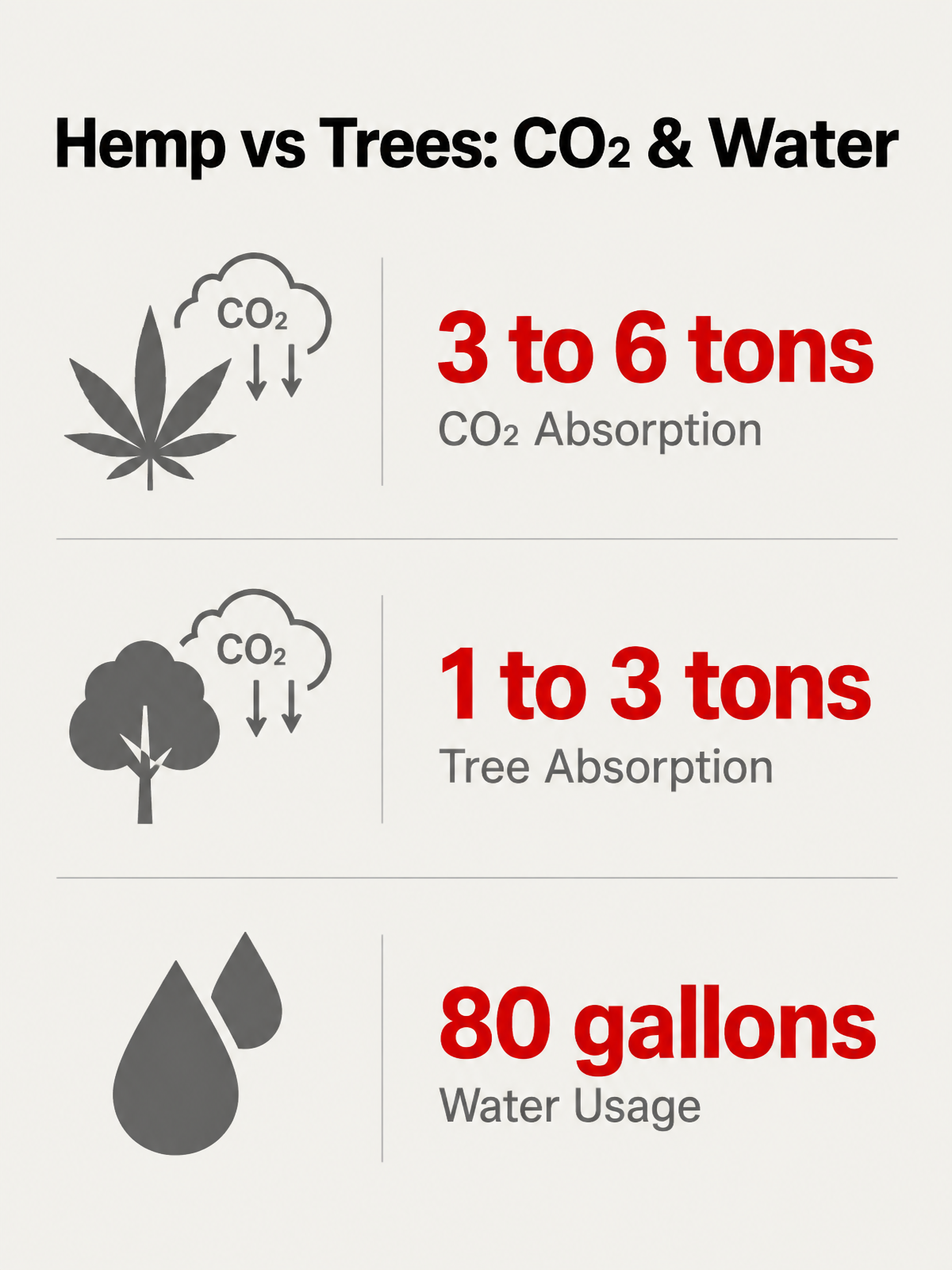
According to the Dorsali fabric comparison, hemp needs about 80 gallons of water to produce 2 pounds of fiber, compared with cotton's 5,280 gallons for 2.2 pounds. An acre of hemp also absorbs more CO₂ than trees.
Hemp fabric breathes well and wicks moisture naturally, so it keeps working when you're moving and sweating. The fiber also blocks UV rays without added treatments. Linen and hemp stand out as top choices with very little downside, according to a textile-sustainability ranking.
Modern hemp garments are often blended or finished to soften the hand. Pure hemp can feel stiffer than cotton at first, but it becomes softer with each wash while staying durable. It is also stronger than cotton over the long run.
Wash gently and line-dry or tumble on low heat to prevent stiffness. Skip fabric softeners, which can coat the fibers and reduce breathability.
Fabric #3 – Linen
Flax is one of the more efficient natural fibers to grow. It can thrive with relatively little irrigation, requires fewer pesticides than many conventional crops, and produces a fabric that feels especially good in warm weather.
Linen breathes naturally through hollow fiber pathways, which supports evaporative cooling when you're moving. The fabric hangs away from the body rather than clinging, so air circulates during slow flows or walks. Linen also provides some insulation when temperatures drop.
Linen is strong, gets softer with washing, and holds its structure without significant degradation after repeated laundering. To extend fabric life and reduce care impact, wash gently in cool water, skip high heat in the dryer, and line-dry or air-dry when possible. Natural shades like ivory, ecru, or taupe avoid chemical dye exposure and show less fading over time.
Fabric #4 – TENCEL™ Lyocell
TENCEL™ lyocell sits between natural fibers and synthetics. It starts with wood-based cellulose, but the finished yarn is made through a managed industrial process. Compared with conventional viscose, lyocell is generally the cleaner option when the producer uses a closed-loop system and transparent chemical management.
For athleisure, the appeal is immediate. TENCEL™ feels smooth, cool, and fluid, so it suits pieces that need drape rather than structure. Soft tees, relaxed tanks, lightweight layers, and leggings blended for movement all work well. It also manages moisture better than many cotton knits.
Care is the main watchout. Lyocell can stay beautiful for years, but it prefers gentle washing, mild detergent, and air drying. Avoid high heat and overloaded machines.
Fabric #5 – Recycled Polyester
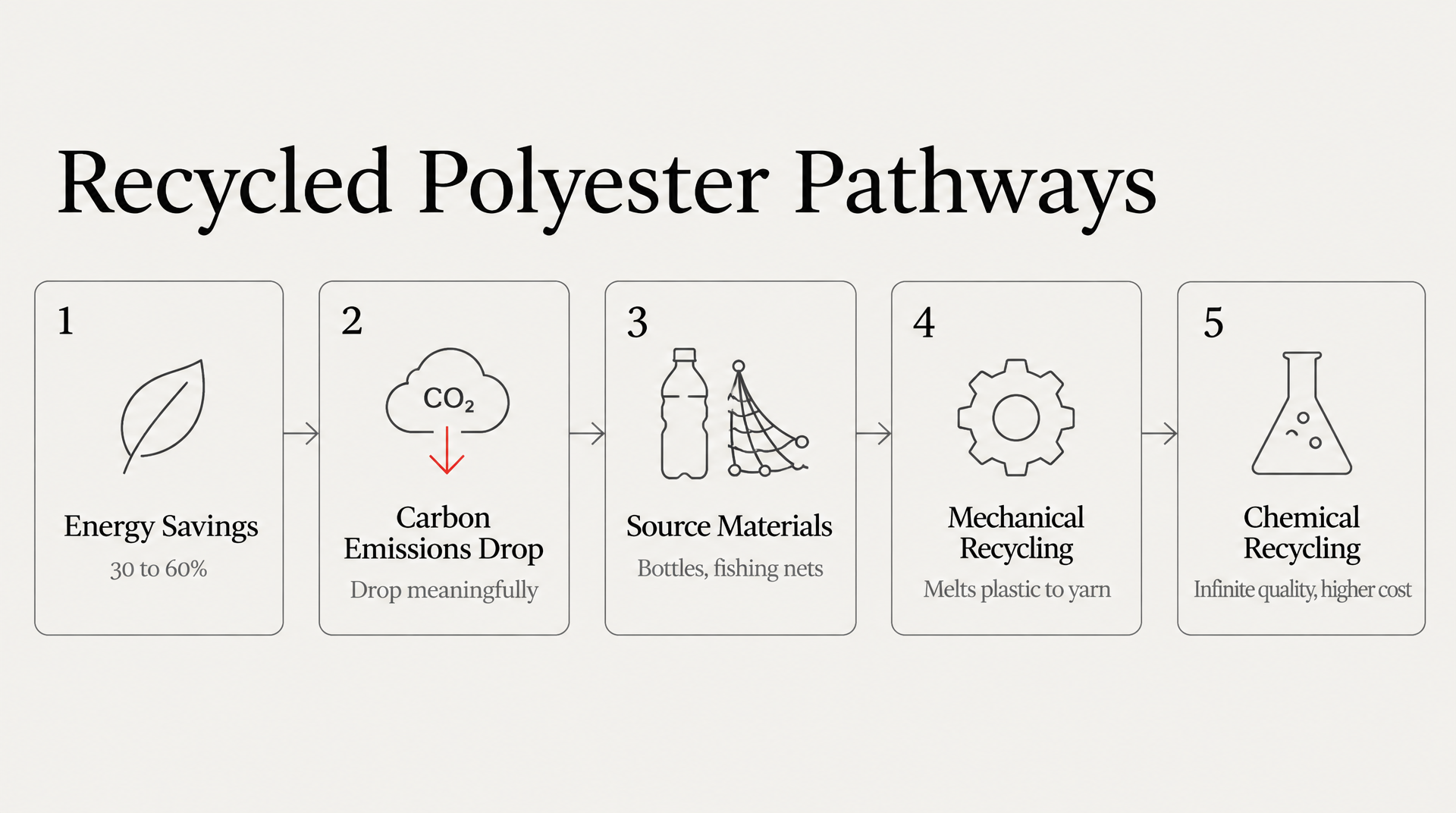
Recycled polyester reduces energy and carbon compared with virgin polyester, and it diverts plastic from landfills. The scale of savings depends on the recycling method.
There are two recycling paths. Mechanical recycling melts plastic to make new yarn, though the fiber degrades after a few cycles. Chemical recycling breaks down plastic molecules and reforms them, which can maintain quality for repeated recycling but costs more. Some recycled polyester uses post-consumer bottles as feedstock.
The fabric is durable, quick-drying, and common in activewear. Stretch comes from knit structure and elastane blends, not the polyester itself.
The tradeoff is this: recycled polyester still sheds microfibers. Wash less often when possible, use cold and gentle cycles, run full loads, air-dry, and consider a microfiber-catching bag or filter.
Fabric #6 – Recycled Nylon
Recycled nylon is a durable synthetic that repurposes fishing nets and textile waste. It requires fewer resources than virgin nylon and works well for high-impact activewear, swimwear, and outdoor gear.
Look for GRS verification. It dries fast and is machine washable, but it still sheds microfibers in the wash, so follow the same laundering care as recycled polyester.
Fabric #7 – Recycled Cotton
Recycled cotton keeps existing cotton in circulation and saves irrigation water and energy compared with new cotton. The tradeoff is shorter fiber length, which can weaken fabric over time and increase pilling in some blends.
Choose recycled cotton for casual joggers, hoodies, and everyday basics. Look for GRS or comparable recycled-content verification.
Fabric #8 – Recycled Wool
Recycled wool lowers the carbon footprint compared with virgin wool and diverts textile waste. It holds warmth, regulates temperature, and wicks moisture. Supply can be limited and costs higher.
Handwash or gentle cycle and air dry. If a product also contains virgin wool, look for RWS for virgin content; recycled content should be verified through GRS or traceable sourcing.
Fabric #9 – Bamboo Viscose
Bamboo viscose has a strong crop story: bamboo grows quickly, regenerates from its own roots, and can thrive without pesticides or fertilizers.
The fabric story is more complex. Plant cellulose gets broken down with chemicals, then reformed into yarn. The manufacturing process isn't as tightly controlled as TENCEL™'s closed-loop system, and chemical oversight varies by mill. The result feels soft and drapes well, but stretch comes from added elastane, not the bamboo fiber itself.
Wash in cool water on a gentle cycle with mild detergent. Skip high heat in the dryer. Regenerated cellulose fabrics lose their softness when they're repeatedly heat-shocked.
Which Fabric Fits Your Actual Week
Start with your activity level. If you're flowing through gentle yoga or walking, organic cotton and linen deliver breathability without synthetic shedding concerns. For higher-sweat sessions, TENCEL™ lyocell pulls moisture away while keeping a softer, cooler feel than many performance synthetics. Recycled polyester offers durability here too, though it needs more careful laundering.
Then think about care routines. Hemp is a smart pick if you want pieces that age well and gradually relax with wear. Linen wrinkles easily but rewards you with long service when you stick to cool water and air-drying. Bamboo viscose feels silky soft but needs gentler handling than plant fibers.
Certifications cut through greenwashing fast. GOTS for organic cotton, OEKO-TEX for dye safety, EU Ecolabel for TENCEL™, and GRS for recycled content tell you the supply chain was audited. Skip any brand that won't name its mill or show its chain of custody.
Keep your starter wardrobe tight: two to three fabric types you trust, washed in cool water, air-dried when possible. That's the framework that makes organic athleisure work in practice.
References
- Top 8 Eco-Friendly Fabrics for Summer Wardrobes
- Sustainable Fabrics: A 2027 Guide for Brands
- Your Guide to Sustainable Fabrics | tasc Performance
- Sustainable Fabrics • Guide on the most ethical materials
- Tencel vs bamboo, linen, and organic cotton: How does it compare?
- Textile Sustainability Ranking
Questions People Ask
1. Can I mix natural and recycled synthetic fabrics in my wardrobe?
You can absolutely mix them based on activity type. Natural fibers like organic cotton and linen work well for low-impact movement and everyday wear, while recycled polyester fits situations where quick-drying durability matters. Launder synthetic items with extra care.
2. How do I know if a brand's "eco-friendly" fabric claim is real or just greenwashing?
Look for specific third-party certifications on the label: GOTS or OCS for organic cotton, OEKO-TEX for chemical safety, European Flax® for linen, and GRS for recycled content. A credible brand should also be able to explain where the fabric was made and how its sourcing was verified.
3. Why does recycled polyester still shed microfibers if it's supposed to be better for the environment?
Recycled polyester improves the input side by using existing plastic instead of virgin fossil-based material, but the finished fiber is still polyester. You can reduce impact by washing less frequently, choosing gentle cycles, air-drying, and using a microfiber filter or catching bag.
4. Does hemp fabric stay stiff forever, or does it actually soften with wear?
Hemp often feels coarser than cotton at first, but it relaxes noticeably with washing and wear. Modern hemp garments are also frequently blended or finished to improve the hand from day one. Wash gently, skip fabric softeners that coat fibers, and line-dry or tumble on low heat.