Made in USA or Grown in Peru: Trace Where Your Tank Starts
September 23, 2026

Where Your Tank Was Sewn Isn't Where the Cotton Grew
The label on the neck tells you where a tank was stitched. It doesn't tell you where the fiber was grown. Those are two different countries more often than shoppers realize. For anyone buying pima cotton activewear for women with sustainability in mind, that gap between "made in" and "grown in" is the whole story.
Cotton moves through six stages before it reaches you. Manufacturing is one stage out of six. So a "Made in USA" tag can sit on a tank spun from fiber grown thousands of miles from the sewing floor. Black Pearl tanks are made in Peru from 100% certified Peruvian Pima cotton, which documents the fiber's origin, not just the sewing floor.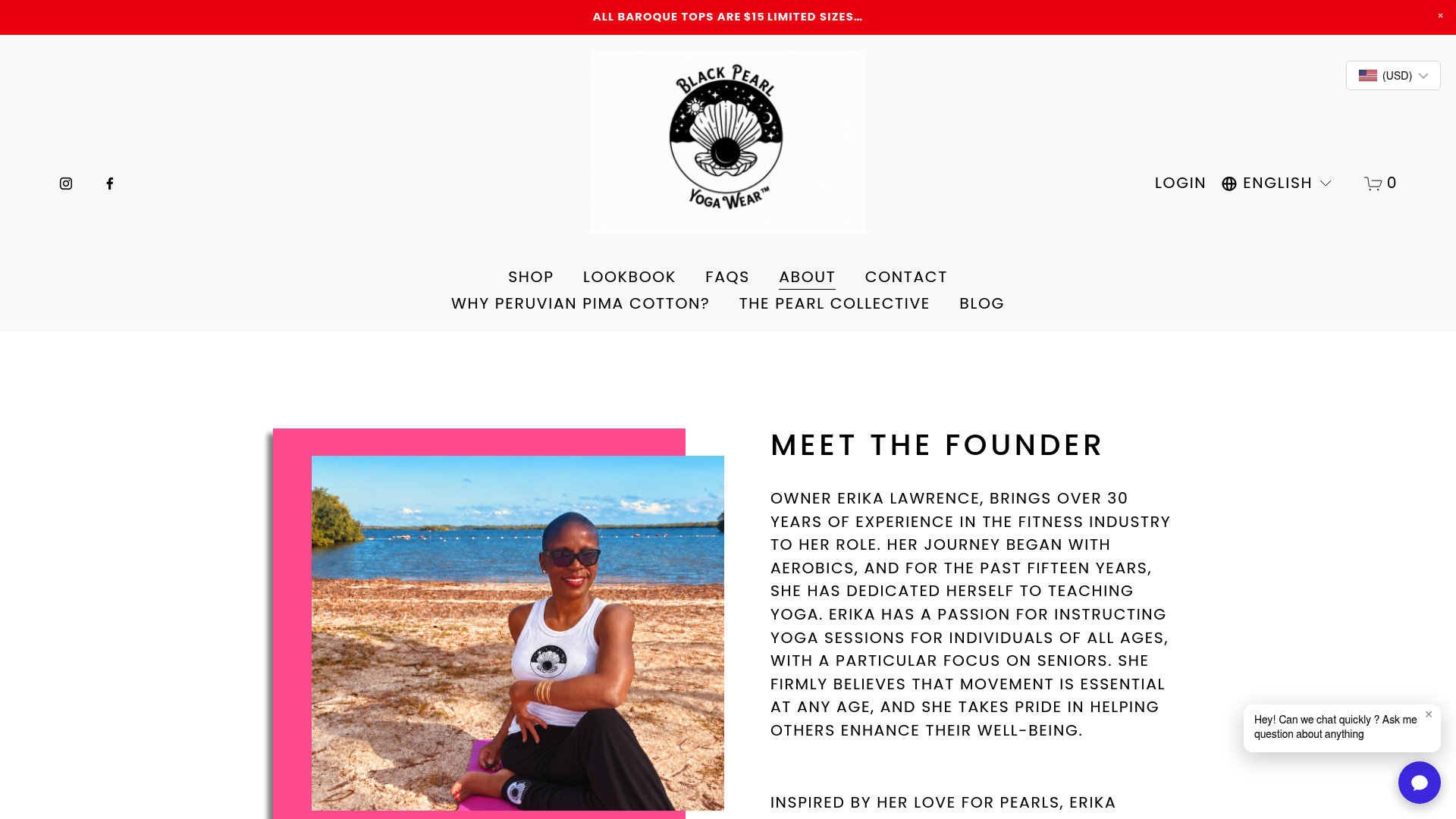
The label covers one stage out of six
Traceability means documenting cotton from farm through ginning, spinning, weaving, dyeing, and garment production. A "made in" claim captures only the last step. Verifying the rest takes a chain-of-custody model that keeps certified fiber separate at every stage, like the Hard Identity Preserved approach the Regenerative Cotton Standard uses.
Without that paper trail, origin claims are hard to check. That is why the fiber source matters as much as the sewing location. That's the point industry traceability work keeps circling back to.
Shoppers say they'll pay more. Their wallets hesitate.
Survey data shows a premium for sustainable cotton. Real checkout behavior tells a messier story. Research on willingness to pay for organic cotton apparel digs into how much shoppers say they value the attribute versus what holds up when they actually buy. The gap between the two is the honest part of the picture.
Stated intent can overstate what survives at the register. The premium seems to hold when the proof is concrete and visible. It evaporates when "sustainable" is just a vague adjective. Verification, not vibes, earns the extra dollars.
Where pima cotton activewear for women actually comes from
Pima is only a sliver of US cotton output, so a genuinely US-grown-and-made Pima tank is rare. That structural shortage is exactly why certified Peruvian Pima answers what eco-shoppers want: premium long-staple fiber with a clear origin.
| What the claim tells you | Certified Peruvian Pima (our tanks) | Generic "Made in USA" tag | Unlabeled fast-fashion tank |
|---|---|---|---|
| Fiber type stated | Yes, 100% certified Pima | Not necessarily | No |
| Where it's made | Peru | Varies | Often unclear |
| Premium long-staple fiber | Yes | Unclear | No |
Research on country-of-origin pricing backs the approach: brands should declare the country of parts when it signals quality. For Pima, origin is the quality signal. That's the stage most brands skip.
What You Need to Know
- A garment label reveals only where fabric was sewn, not where the cotton fiber was actually grown.
- Cotton passes through six stages and begins long before manufacturing.
- A "Made in USA" tag can sit on a tank spun from fiber grown thousands of miles away.
- Traceability documents cotton across ginning, spinning, weaving, dyeing, and production.
- Chain-of-custody models like the Regenerative Cotton Standard's Hard Identity Preserved approach keep certified fiber separate at every production stage.
- Survey premiums for sustainable cotton shrink at checkout, holding only when proof is concrete and visible.
- Pima represents a small sliver of US cotton output, making a genuinely US-grown-and-made Pima tank structurally rare.
Which Labels Mean Something, and Who Checks Them
A label only means something if you know who verifies it. Most shoppers skip that question when buying pima cotton activewear for women, assuming the tag on the neck was checked by someone. Some claims sit behind a real audit. Others are marketing that nobody polices until a complaint lands.
Start with the label people trust most. "Made in USA" ties to how much of a product is made and sourced domestically, and the phrasing does a lot of quiet work. A Michigan State study on Made in USA claims shows how much room that language leaves open to interpretation.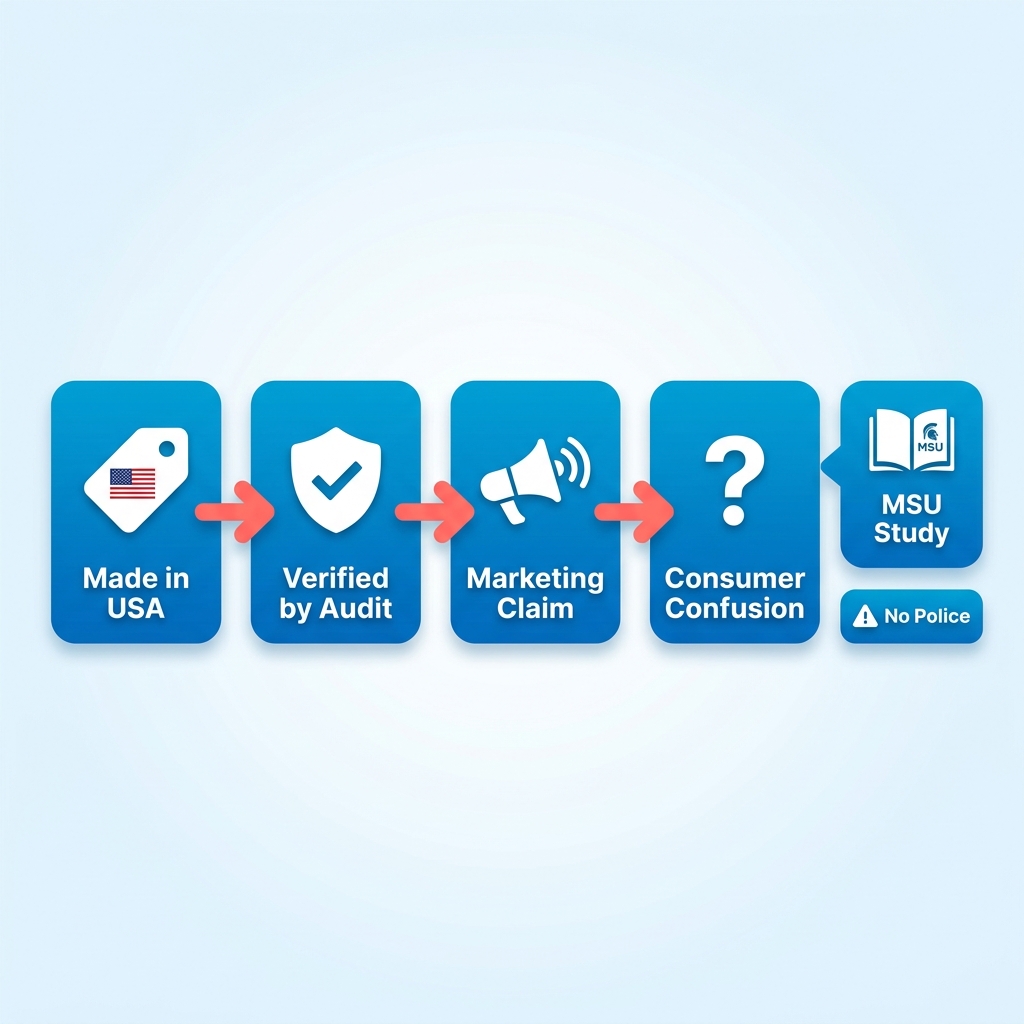
What "Made in USA" actually guarantees
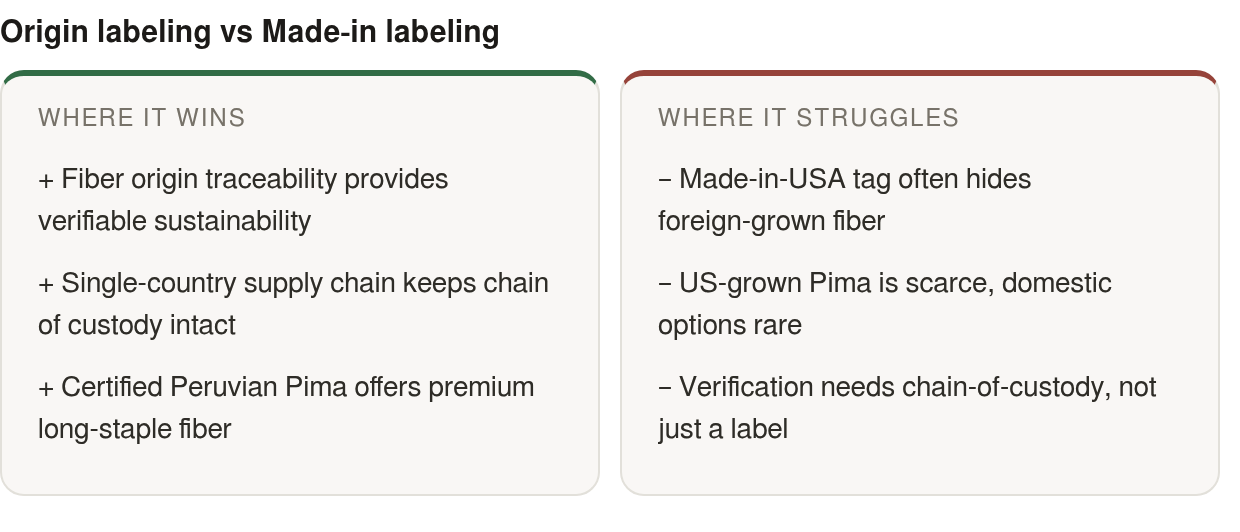
Less than you think. That MSU research points to a split in how people read the label. Shoppers assume it already covers where parts are made, while feeling it should also cover where raw materials come from. A car is the classic loophole. Engine and body built stateside, electronics from Japan, steering from Mexico, raw materials from Canada, and it still earns the label.
Apply that to fiber. A tank sewn in the US from cotton grown abroad can carry "Made in USA." A tank grown, spun, dyed, and sewn entirely in Peru, like the fully-Peruvian supply chain Eileen Fisher documents, can be more honestly traceable to its origin than the domestic label is. The label geography and the fiber geography can point in opposite directions.
Which certifications verify the fiber itself
These seals check what "Made in USA" skips. Each has a body behind it and a chain-of-custody model that keeps certified fiber from mixing with conventional stock, the safeguard organic traceability systems exist to enforce.
| Label | What it verifies | Who backs it |
|---|---|---|
| Peruvian Pima origin | Fiber grown in Peru, long-staple Pima | Peru trade/Pima associations |
| GOTS | Organic fiber + processing, social criteria | Global Organic Textile Standard |
| Fair Trade Certified | Fair labor, farmer premiums | Fair Trade USA |
| USDA Organic | No synthetic pesticides at farm stage | USDA / accredited certifiers |
| Made in USA | Domestic assembly, "virtually all" parts | FTC (complaint-driven) |
The verification styles differ sharply. GOTS and Fair Trade run scheduled third-party audits. The FTC is reactive, acting mostly on disputes rather than routine checks. That is why enforcement spikes are hard to read as either more fraud or more oversight.
Why this matters for eco-shoppers
Shoppers pay premiums for organic fiber and want domestic materials. Yet Pima is a tiny slice of US cotton output. A genuinely US-grown organic Pima tank is close to a unicorn. A willingness-to-pay study on cotton apparel found people tend to pay more for organic-system fiber than conventional.
So learn to read the seal itself. A real certification carries a license or scope number you can look up in the certifier's public database. Legitimate sellers can produce a transaction certificate tracing a specific batch back through the supply chain. A seal printed on a hangtag with no issuer name, no ID, and no verifiable record is decoration, not proof. Before you buy, check for the fiber seal and its paper trail, not just the sewing tag.
Tracing the Cotton Supply Chain: From Seed to Stitch
A cotton tank passes through six hands before it reaches yours: farming, ginning, spinning, knitting, dyeing, and sewing. Traceability breaks down at the seams between those stages, where fiber gets swapped, blended, or shipped across oceans. For anyone shopping for pima cotton activewear for women with sustainability in mind, the question isn't whether a brand can name the last stop. It's whether it can name the first.
The US cotton route and the Peruvian Pima route look similar on paper, but they diverge on where the fiber actually stays. Most US-grown cotton gets ginned into 500-pound bales and shipped out for spinning elsewhere, as the farm-to-fashion breakdown lays out. That's where the trail goes cold for shoppers who want origin, not just assembly.
The US Pima route rarely stays US-grown
Genuine US-grown-and-sewn Pima is rare. Pima makes up only 3% of US cotton production, per this guide to the fiber. That is why a structural supply shortage limits how often shoppers find it.
The American crop earns the "Supima" trademark, but most of that fiber leaves the country for spinning and knitting before a garment gets sewn.
That leaves eco-shoppers bumping into a familiar wall. You want organic material and domestic sourcing in one product. From US supply alone, that combination is structurally hard to hit. So a "grown here, made here" Pima tank is the exception, not the rule.
Peru keeps the whole chain in one country
The Peruvian Pima route closes that gap by keeping every stage local. Cotton has been cultivated in Peru with traditional knowledge tracing back to 4000 BCE, and today the fiber can be grown, spun, dyed, and sewn without leaving the country. Eileen Fisher documents exactly this with named partners: a Peru-based supply chain runs through Peru Fashions for knitwear, Art Atlas workshops in Arequipa, and Textil Lives S.A.C., a family cut-and-sew factory in Lima.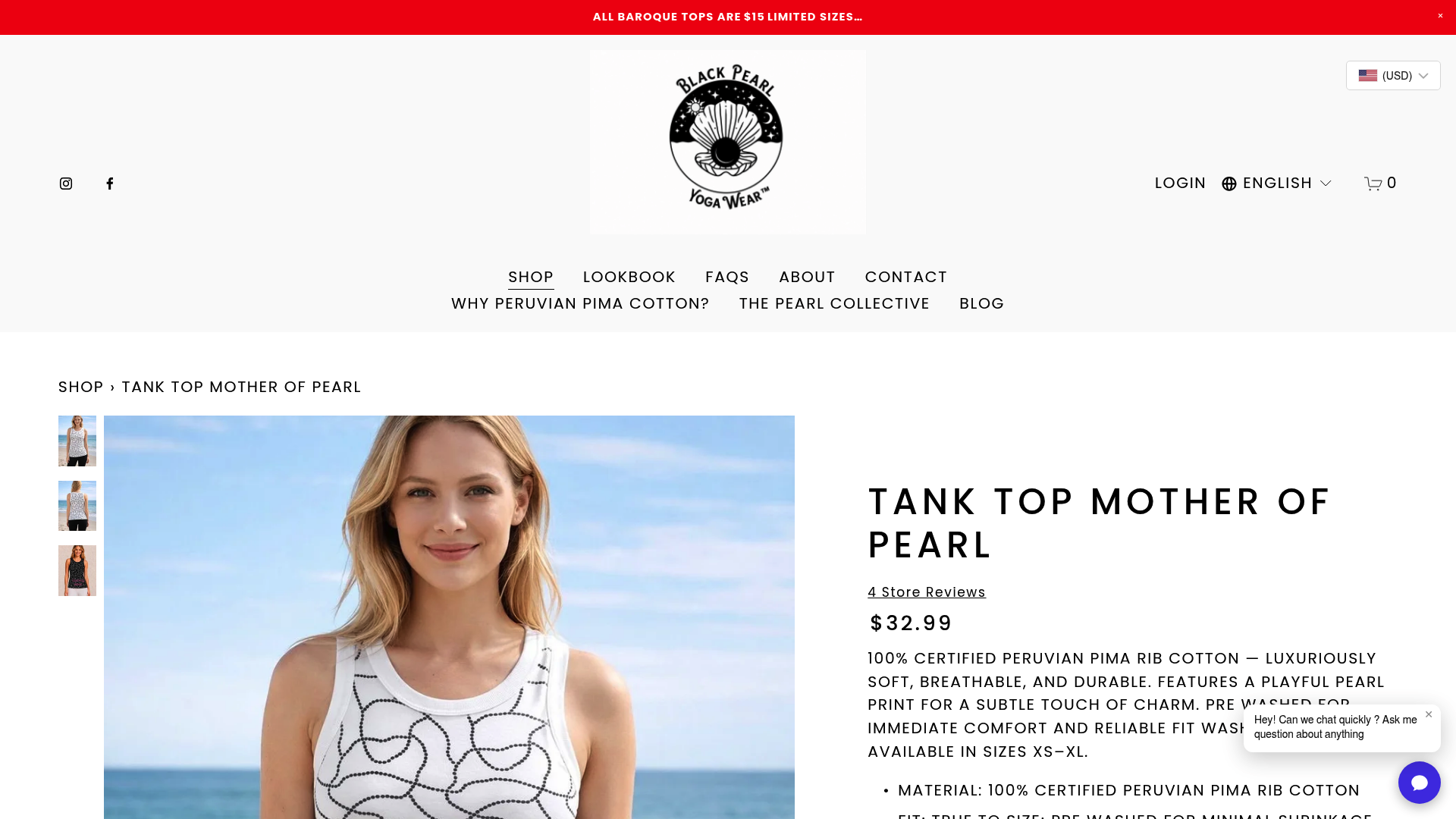
A fully-Peruvian tank can be more traceable to its true origin than a "Made in USA" product is to US soil.
| Traceability factor | US Pima route | Peruvian Pima route |
|---|---|---|
| Fiber share of crop | ~3% of US cotton | Native long-staple variety |
| Stages in one country | Rarely | Grown, spun, dyed, sewn in Peru |
| Origin-to-assembly link | Often broken at ginning | Kept intact |
Verification beats a certification label
A certification alone slots a product into a bucket like "organic" while the real sourcing story goes missing, as a peer-reviewed review argues. Batch-level verification does more. Systems like the Regenerative Cotton Standard's chain of custody track unique identifiers so a brand can prove a specific garment holds specific fiber.
The practical test for any label is documentation you can follow backward. Ask whether the seller names the gin, the spinner, and the sewing facility, or whether the trail stops at a country of assembly. When each handoff carries a verifiable record, a claim about where fiber started stops being marketing and becomes something you can check.
Production Practices: Domestic Factories vs. Overseas Facilities
Where a garment is stitched tells you very little about where its fiber actually lived. A fragmented US chain can point the label one way and the cotton another. Eileen Fisher's Peru organic cotton program shows the alternative: a garment grown, spun, dyed, and sewn inside one country. When every stage sits under one roof, the origin claim describes the whole product rather than the last step in a long relay.
Labor visibility reads differently in each region
Sewing is the stage most often flagged for poor conditions, and the farm-to-fashion breakdown points to Fair Labor Association pressure as the response in offshore plants. The problem is scale. When a factory sews fiber shipped in from three countries, tracing who touched what gets murky fast.
Peru's workshops flip that. Eileen Fisher names its partners openly, including Art Atlas, community-based workshops in Arequipa built around family and quality of life, and Textil Lives, a Lima cut-and-sew factory run by three sisters who prioritize worker wellbeing. Named partners you can look up beat a faceless "domestic" claim every time.
Contrast that with a fast-fashion sourcing map, where a single style can pass through subcontracted floors that never appear on any published supplier list. The audit trail stops at the brand's first-tier factory, and the workers a step below stay invisible. A short, single-country chain shrinks the number of hands that go unaccounted for.
The environmental footprint sits in dyeing and freight
Two stages carry most of the damage: transport and dyeing. Keeping every step inside one country cuts the freight emissions that pile up when fiber crosses oceans before it becomes fabric, a point Eileen Fisher makes about its own local chain.
Dyeing is the water hog. As the supply chain breakdown puts it, "water management is crucial since cotton is one of the thirstiest crops," and dye houses are where pollution and recycling systems make or break a factory's record. A single-country chain lets a brand actually audit that one dye house instead of guessing across a dozen.
What domestic versus overseas means for your pima cotton activewear
Here is the uncomfortable math for US-first shoppers. Pima is a tiny slice of American cotton output, so a genuinely US-grown-and-sewn Pima tank barely exists. The "domestic materials plus organic" combo people say they want is structurally hard to source from the US alone.
Origin specificity is what wins. Research on fibre-origin and production labeling points to shoppers responding more to specific, verifiable origin information than to a vague country tag. A verified Peru origin does more work than a generic "US" label. Verify the fiber source before you buy.
Cost, Quality, & Performance Comparison
Score any tank on five things and the picture clears up fast: price, material feel, durability, moisture handling, and style range. The catch is that four of those five track back to one variable most shoppers never check: fiber origin. That's the stage that decides whether pima cotton activewear for women performs the way the price tag implies.
We built the matrix below to be replicable, so every cell leans on a sourced fact or a clearly labeled judgment, not a marketing claim.
How the five sourcing categories stack up
| Category | Material feel | Durability | Certifications | Origin traceability |
|---|---|---|---|---|
| US-grown Pima + US assembly (Supima) | Extra-long staple | High | Supima trademark | Strong, but rare supply |
| US-grown cotton + overseas assembly | Standard staple | Moderate | Varies | Weak, split chain |
| Peruvian Pima + US assembly | Extra-long staple | High | GOTS/organic possible | Split at the seam |
| Peruvian Pima + Peruvian assembly (Black Pearl) | "Andean silk" hand feel | High | Certified Pima | Single-country (Peru) |
| Blended fabric (cotton + synthetic) | Mixed | Variable | Rarely certified | Hard to trace |
The feel and durability gap isn't subjective. Eileen Fisher's R&D lead put it plainly:
"It's got this really smooth and supple hand feel that sets it apart." - Sarah Edmond, Fabric R&D Manager, in Eileen Fisher's Peru supply chain story
Why Peruvian Pima commands the premium
Shoppers pay up for two things at once: organic production and known origin. Willingness-to-pay research on organic cotton apparel finds buyers place a premium on organic cotton over a visibly identical conventional garment. Separate work on sustainable apparel finds buyers value specific fiber origin over vague national labels.
That resolves an apparent conflict in the research. Studies on country-of-origin labeling find shoppers respond to where cotton comes from, but specific, verified origin tends to outperform a vague country claim. The reference point decides it. That's the case for a tank grown, spun, dyed, and sewn in one place.
The catch worth naming
Watch the stated-versus-actual gap. What shoppers say they'll pay in a survey and what they hand over at checkout aren't the same number, and stated premiums often shrink once real money is on the line.
So run the cost-per-wear math before you judge the sticker price. A disposable gym layer that pills after a dozen washes costs more per wear than a premium tank you keep for years, even when the upfront number looks smaller. If you only need throwaway layers, skip the extra-long staple entirely. But if you rotate the same tanks through hundreds of wash cycles, the longer fiber pays you back in fewer replacements and a hand feel that holds up. That's where the single-country supply chain earns its premium over the split-chain guesswork of fiber grown in one country and sewn in another.
Your Personal Tank‑Top Traceability Checklist
Most checklists for buying pima cotton activewear for women stop at the neck tag. That's the mistake. A tag confirms where a shirt was sewn, not where the fiber grew, and those two answers can sit oceans apart. So the worksheet below asks about the field first, then works forward.
Pima is a tiny fraction of U.S. cotton production (a guide to the luxurious fiber), so a tank that's genuinely U.S.-grown and U.S.-sewn from Pima is a rare bird. If you want soft extra-long-staple fiber plus a verifiable origin story, certified Peruvian Pima is usually the honest answer. Your job is to confirm the "certified" part.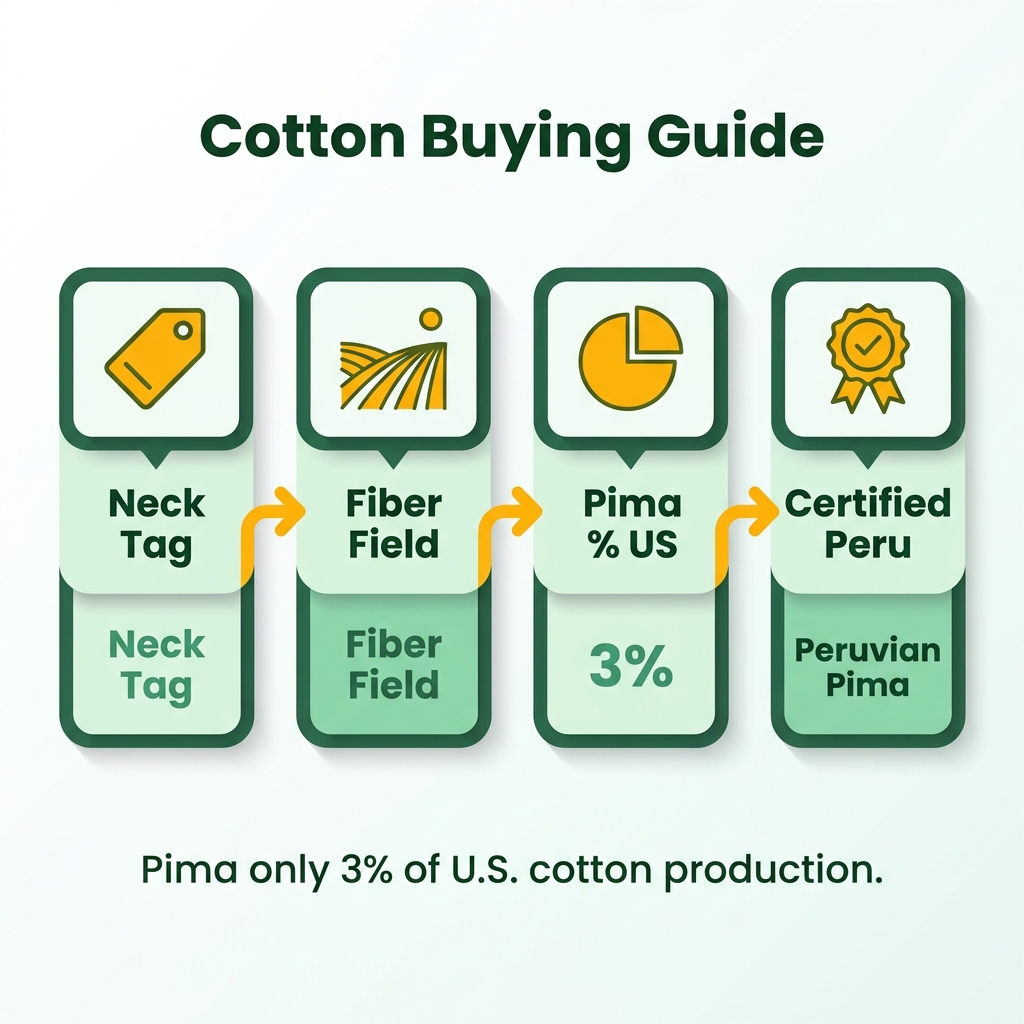
The five questions that expose a vague answer
Ask these of a sales rep or hunt for them on a product page. If a brand can only answer the last one, that's your signal.
- Where was the cotton grown? A specific region beats a country. Black Pearl Yoga Wear, for instance, names the warm coastal valleys of northern Peru rather than a vague "imported."
- Was the fiber kept separate from conventional cotton through processing? This is the chain-of-custody question. The Regenerative Cotton Standard keeps certified fiber strictly separate at every stage so batches can't get commingled.
- What certification backs the claim, and who audits it? A seal nobody polices is marketing.
- Can you show batch-level records? Real traceability links farms and processors through batch-level IDs, not a paragraph of prose.
- Where was it stitched? Ask last, because it tells you the least.
QR and NFC tags: useful only if they reach the farm
Scan the tag before you trust it. A growing number of brands print a QR code or embed an NFC chip that opens a supply-chain page. The test is depth. A good link surfaces the individual raw material and its history through the chain to you, which is what traceability can convey when it's done right. A weak one just repeats the certification logo you already saw.
Watch the trap. Certifications and indices only slot a product into a bucket like "organic" while the detailed practices go missing. A QR code that stops at the bucket adds nothing.
Score each tank 1 to 5, then compare
Log every candidate in a table and rate five dimensions on a 1 to 5 scale. A 5 means verified with records; a 1 means the brand couldn't answer. Add the column for a quick total.
| Dimension | What earns a 5 | What earns a 1 |
|---|---|---|
| Fiber origin | Named growing region | "Imported" only |
| Certification | Third-party audited seal | Self-declared claim |
| Chain of custody | Batch IDs, kept separate | No records |
| Traceability tag | QR/NFC reaches the farm | No tag or logo-only |
| Price vs. Proof | Premium matched by proof | Premium, no proof |
Print it, screenshot it, or rebuild it in your notes app. Fill one row per tank while you shop. Treat the total as a shortlist tool, not a verdict: a tank scoring 20 or higher has earned a closer look, while anything in the single digits belongs back on the rack. When two candidates tie, let the first three rows break the tie, since fiber origin, certification, and chain of custody are the columns a brand can't fake with clever copy.
References
[1] From Peru to You. A Local Organic Cotton Supply Chain. - Eileen Fisher - https://www.eileenfisher.com/a-sustainable-life/journal/community/peru-organic-cotton-supply-chain.html?srsltid=AU7gw4Xq2Zaw2NWEejY0q1JH9fFOVqnGHNkKAxKRVNE-sJ2CPyomMZ5m
[2] Organic Cotton Traceability: Building Verified Textile Supply Chains - https://tracextech.com/organic-cotton-traceability-sustainable-textiles/
[3] What Is Pima Cotton? A Comprehensive Guide to the... - https://cottongins.org/blog/what-is-pima-cotton-a-comprehensive-guide-to-the-luxurious-fiber/
[4] Consumer willingness to pay for production attributes of cotton apparel - https://www.researchgate.net/publication/369165963_Consumer_willingness_to_pay_for_production_attributes_of_cotton_apparel
[5] Country of origin factors influencing US consumers' perceived price for... - https://www.researchgate.net/publication/241698939_Country_of_origin_factors_influencing_US_consumers'_perceived_price_for_multinational_products
[6] The influence of labelling for fibre origin and production methods - https://www.researchgate.net/publication/229922917_Consumer_willingness_to_pay_for_sustainable_apparel_The_influence_of_labelling_for_fibre_origin_and_production_methods
[7] MSU study reveals consumer confusion over 'Made in USA' labels - https://msutoday.msu.edu/news/2025/08/msu-study-reveals-consumer-confusion-over-made-in-usa-labels
[8] Insights into willingness to pay for organic cotton apparel | Request PDF - https://www.researchgate.net/publication/241280308_Insights_into_willingness_to_pay_for_organic_cotton_apparel
[9] Traceability in Cotton Supply Chains – Why It Matters | RCS Media Room - https://regenerative-cotton.org/media-room/traceability-in-cotton-supply-chains-why-it-matters
[10] (PDF) Contribution of traceability towards attaining sustainability in... - https://www.researchgate.net/publication/317020446_Contribution_of_traceability_towards_attaining_sustainability_in_the_textile_sector
[11] The Cotton Supply Chain Explained: From Farm to Fashion - cottongins.org - https://cottongins.org/blog/the-cotton-supply-chain-explained/
Common Questions
1. How can I verify a fiber certification is real and not just a printed logo?
Check for a license or scope number you can look up in the certifier's public database. Legitimate sellers can produce a transaction certificate tracing a specific batch through the supply chain. A seal with no issuer name, no ID, and no verifiable record is decoration, not proof.
2. What's the difference between Pima and Supima cotton?
Supima is the trademark reserved for Pima grown in the United States, which makes up only about 3% of US cotton output. Both are extra-long-staple fibers. Most US-grown Pima still leaves the country for spinning before it becomes a garment.
3. Does buying Peruvian Pima automatically mean the cotton is organic?
Peruvian Pima origin verifies the fiber was grown in Peru as long-staple Pima, not that it's organic. Organic status comes from separate certifications like GOTS or USDA Organic, each backed by its own auditing body. Check for those seals alongside the Pima origin claim if organic production is what you're after.
4. When is a premium Pima tank not worth the extra cost?
Skip extra-long-staple fiber if you only need throwaway layers you'll wear a handful of times. The premium pays back through cost-per-wear when you rotate the same tanks through hundreds of wash cycles, where longer fibers resist pilling and mean fewer replacements. For disposable use, that durability advantage never gets realized.
5. Do QR codes on clothing tags actually prove where the cotton came from?
Only if the link reaches back to the farm. A useful QR or NFC tag surfaces the individual raw material and its history through each handoff in the chain. A weak one just repeats the certification logo you already saw on the hangtag, adding nothing you couldn't read yourself.