How to Fit, Vent, and Cold-Wash Cotton to Beat Workout Sweat
September 7, 2026
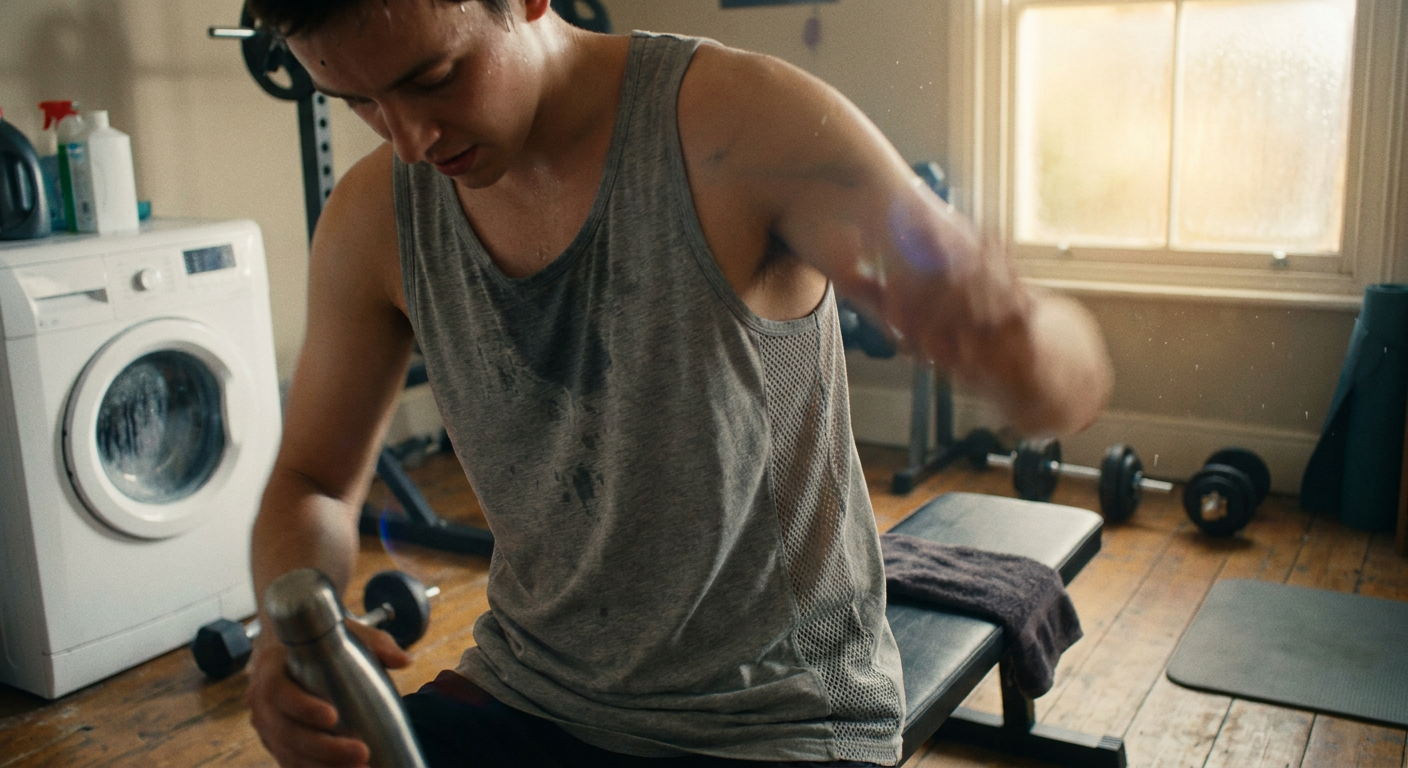
Key Takeaways
- Three habits—fit, vent, cold-wash—keep breathable cotton activewear performing like new for years, not months.
- Cotton tees can be reworn a couple of times if you didn't sweat through them. Synthetics harbor bacteria and need washing after every use.
- Fewer washes means less water, less energy, and longer fabric life.
- Cold-washing gives you the biggest odor advantage, and you hit odor from two directions: the garment and the wash itself.
- A soak of one part white vinegar to four parts cold water for 15–30 minutes cuts sweat odor.
- Baking soda in the wash neutralizes the acids that build up in worn workout clothes.
- None of these steps rates past a 2 on a 5-point difficulty scale. Total tool cost runs about $5–10.
Quick Summary
The whole routine, at a glance. Three steps: fit your cotton so air can move, add venting so heat escapes, cold-wash to protect both odor resistance and the fabric. Done right, this keeps your breathable workout clothes performing like new for years, not months.
The best part for eco-minded wearers? Cotton gives you a rewear advantage. Nike's care guide notes cotton tees can go a couple of wears if you didn't sweat through them, while synthetics harbor bacteria and need a wash after every use. Fewer washes, less water, less energy, longer fabric life.
The Three-Step Cheat Sheet
| Step | Time | Difficulty (Beginner / Athlete) | Tools & Cost | Key KPI |
|---|---|---|---|---|
| Fit | 5–10 min | 2 / 1 | Mirror, measuring tape ($0–5) | Breathability increase from proper air gap |
| Vent | 2–3 min | 1 / 1 | None; garment placement only | Heat/moisture escape during movement |
| Cold-Wash | 30–45 min cycle + 15–30 min optional soak | 2 / 2 | Mild detergent, white vinegar, baking soda ($5–10) | Odor reduction; fabric lifespan extension |
Difficulty runs on a 1–5 scale. Nothing here climbs past a 2. This is a habit you build in, not a weekend project.
Which Step Matters Most for Odor?
Cold-washing wins for odor, but you attack it from two angles. On the garment side, Peloton's odor guide recommends a soak of 1 part white vinegar to 4 parts cold water for 15–30 minutes, plus turning clothes inside out to reach bacteria on the inner layer.
Baking soda in the wash neutralizes odor-causing acids, per Nike. As their guide puts it:
"The acid in vinegar will enable oils, dirt, and bacteria from the fabric of your workout clothing." - Nike's workout clothes care guide
Our take: for cotton you rewear, treat your body too. Fewer skin bacteria means less odor load embedded between washes. That stretches the low-wash benefit even further.
The One Mistake That Kills Breathability
Skip fabric softener. Always. Whirlpool's washing guide warns that softeners leave a coating that reduces performance. Most people think this only matters for synthetics. It matters just as much for cotton.
Why? Venting only works when air can pass through the fabric. A softener coating clogs those fibers. Keep your Pima cotton residue-free and the venting you built in step two actually does its job.
Quick win: Air-dry everything. Heat breaks down fibers and elastic. Cold wash plus air-dry is the single biggest lever for fabric lifespan extension in this whole routine.
One carve-out. If a garment is barely worn and doesn't smell, don't wash it. Over-washing wastes water and wears cotton down faster than a light rewear ever will.
Why Fit, Vent, and Cold‑Wash Cotton Matter
Sweat-related discomfort is the single biggest reason women give up on activewear, with 68% citing it as a dealbreaker (Statista, 2023). Get your fit, venting, and wash routine right, and you sidestep that entirely. That's the point of these three habits: keeping your breathable workout clothes feeling premium instead of clammy.
Here's the tension we work with. Cotton absorbs moisture where synthetics repel it, and REP Fitness notes that cotton can soak up 27 times its weight in water. Left unmanaged, that's heavy, clingy fabric. Managed well, that same evaporative behavior becomes an advantage. The routine tips the balance in your favor.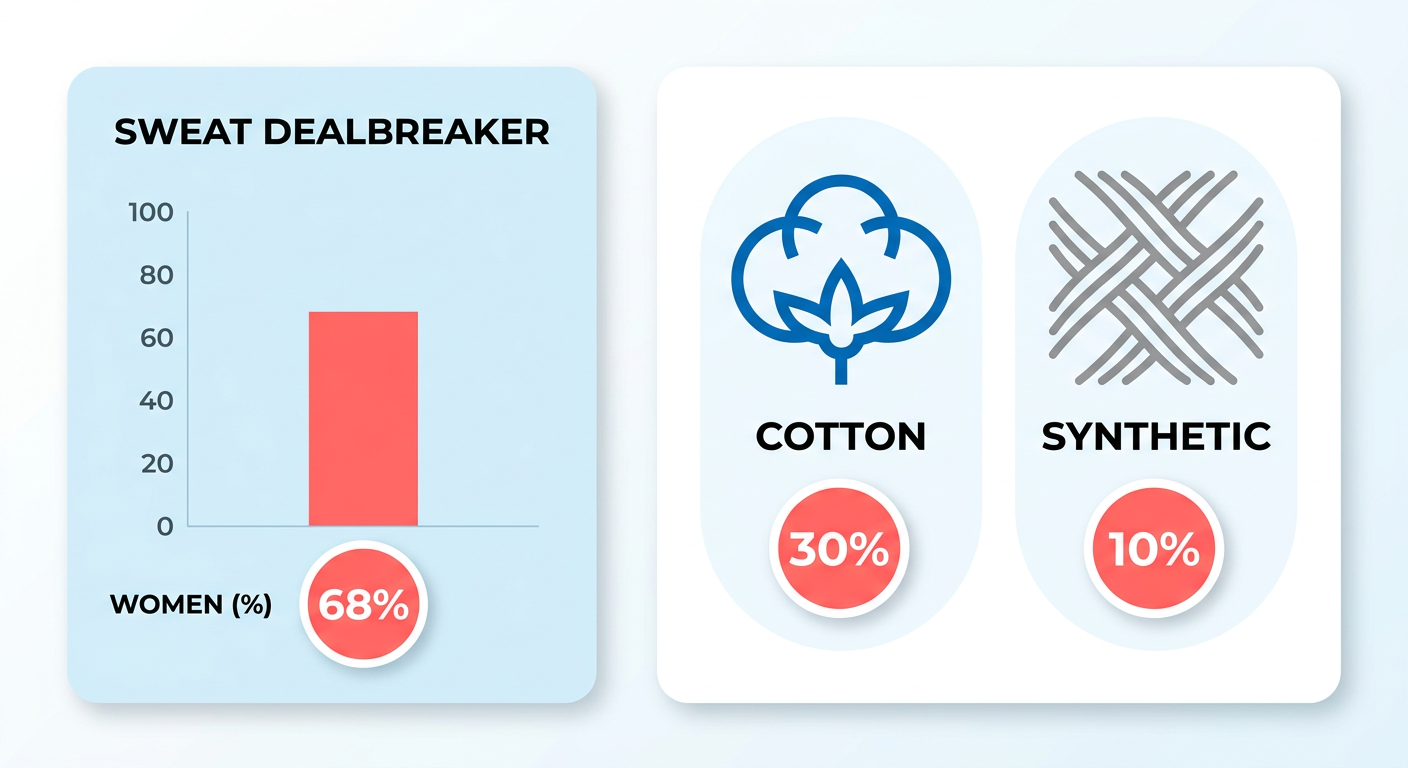
Why does moisture management matter beyond comfort?
Trapped moisture is a skin problem, not just a feel-bad problem. Damp fabric against skin during and after a session invites irritation and creates the warm, wet conditions where fungus and bacteria thrive. That's the health case for moving sweat off your body fast.
The research on which fabric handles heat best is genuinely mixed. A PubMed review on sports clothing points to De Sousa et al., who found real reductions in core temperature comparing cotton and polyester in hot conditions. Synthetics win on dry weight and wicking. Cotton can aid evaporative cooling.
Our read: for low-to-moderate yoga and casual movement, cotton is no compromise. It only becomes a liability at high intensity, when you're sweating through the fabric. Match your fabric to your effort, and the "cotton loses" argument mostly disappears.
How does care protect both the fabric and the planet?
Cold-washing is the eco-friendly choice that also happens to protect your cotton. Skipping hot cycles cuts washing energy sharply, and careful handling can meaningfully extend a garment's usable life. Money saved, less waste sent downstream.
There's a quieter win here too. Washing only when a garment is truly soiled cuts the mechanical wear that shortens fabric life. That keeps high-quality cotton in rotation longer, so you replace pieces less often.
One habit matters more than most people realize: skipping chemical softeners. These deposit a waxy layer over the cotton threads, sealing the microscopic gaps in the weave. Research on fabric air permeability and ventilation shows the base material's openness determines how well heat escapes. Coat those fibers in residue and the fabric's natural ability to breathe drops, which makes any built-in vents far less effective.
For busy women who want reliable, fast solutions, that's the payoff. Fit for airflow, vent the hot zones, cold-wash without softener. Three habits, a cooler workout, and yoga wear that keeps its luxury feel wear after wear.
Optimizing Fit: Sizing and Style for Sweat-Free Workouts
The right fit is what turns cotton from a sweat trap into genuinely breathable workout clothes. Get your measurements right, leave room where you sweat most, and airflow does the cooling for you. This is the step most women skip, and it's why their cotton feels clingy by minute ten.
Cotton's evaporative behavior only helps when air can reach the fabric. A manikin study on ventilation openings found a garment's inner-layer air permeability decides how well any vent performs, boosting ventilation efficacy by roughly 7% at low airflow and 10% at higher airflow. In plain terms: a fitted-but-breathable cotton base outperforms a tight synthetic shell for moving heat out.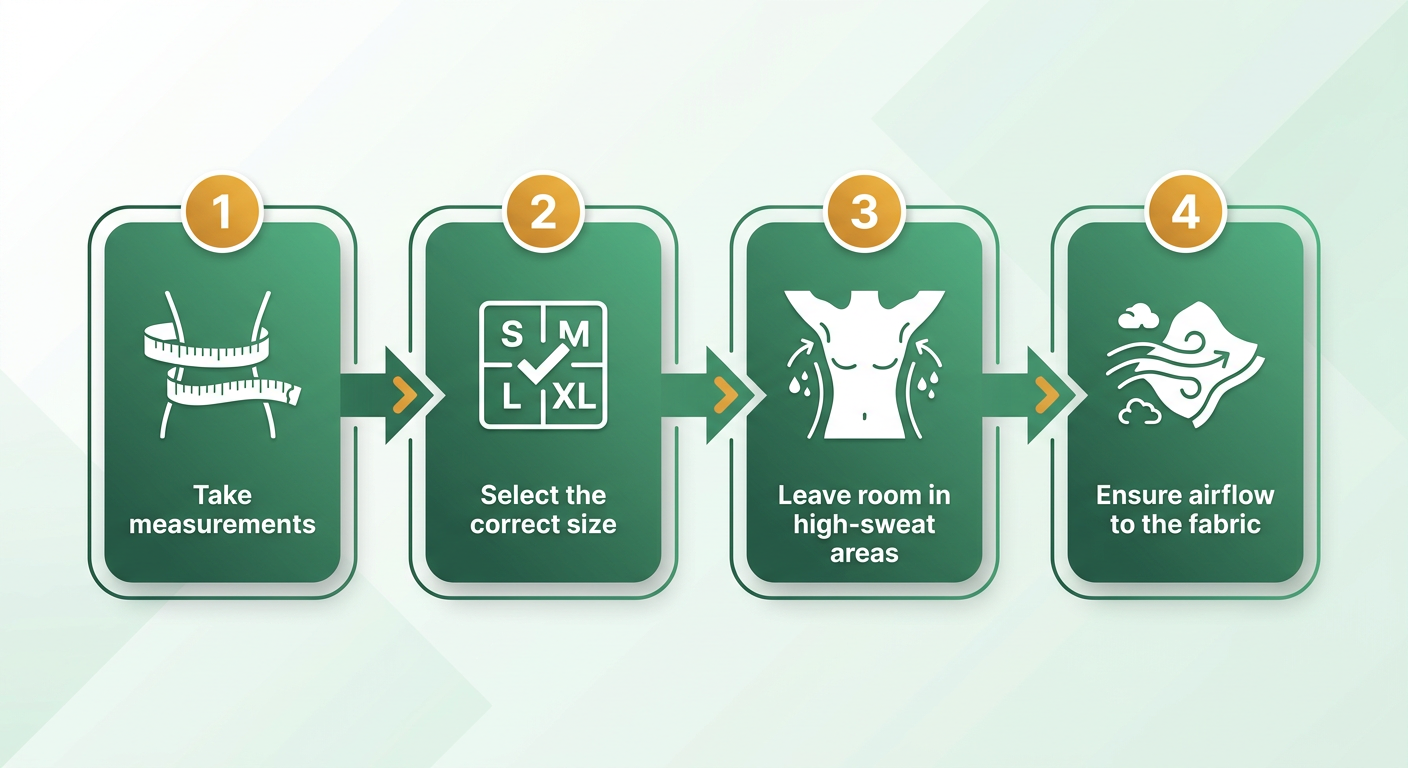
How Do You Measure for Cotton Stretch Fabrics?
Measure four points with a soft tape: bust at the fullest part, waist at the narrowest, hips at the widest, and arm length from shoulder seam to wrist. Keep the tape snug, not tight. Cotton-stretch blends give you a little recovery, so measure your true body, not your goal body.
For leggings and fitted tops, size to the smaller number when you fall between two. The stretch closes the gap. For tunics and layering tops meant to catch airflow, size up half a step so the fabric floats off your skin instead of sticking to it.
Why Does a Slightly Looser Fit Win in Sweat Zones?
Because warm, wet air needs somewhere to go. Researchers studying seven T-shirt designs described how "natural convection through clothing openings plays a significant role in releasing warm and wet air," per this ventilative-design study. A hair of extra room at the underarms and mid-back opens those channels.
That same research found placement matters more than fabric alone. Vents at the center chest and back do the heavy lifting, and the permeability study agrees that openings work best in zones that already catch airflow. So a relaxed back panel on a cotton top isn't a styling accident. It's a working vent.
Our take: this reframes cotton's reputation. In a wear trial with ten athletes, Tencel and mesh fabrics ran cooler than cotton at the skin. But that gap shrinks fast once you fit cotton to breathe and place your open zones well.
Fixing the Two Fit Mistakes
Too tight: fabric seals against skin, sweat pools, clinging follows. Too loose: excess fabric bunches and rubs, creating friction at the seams. You want the middle. Skin contact light enough to move air, structure firm enough to stay put.
When a piece is close but not perfect, adjust it. Hem long leggings so they don't drag. Use built-in drawstrings to cinch a waist without squeezing your ribs. A basic tailoring kit handles a too-wide sleeve in ten minutes.
One honest carve-out: heavy, continuous sweating overwhelms even a perfect fit. Once cotton hits its saturation limit, it loses structure and starts to cling, which makes synthetics more practical for high-intensity endurance work.
Ventilation: Built-In Design and DIY Hacks
Ventilation makes or breaks how cotton feels once you start sweating. The trick is pairing smart garment choices with a few at-home habits that let warm, wet air escape. Do it well and you stay light and dry instead of clingy.
Here's the part most brands get wrong. Mesh panels and vents only work if the fabric underneath breathes too. Openings can only move as much air as the material behind them allows, so a dense, sealed base layer chokes even a well-placed vent. That's exactly why breathable Peruvian Pima cotton matters: its extra-long fibers let air circulate naturally, so any opening has more to work with.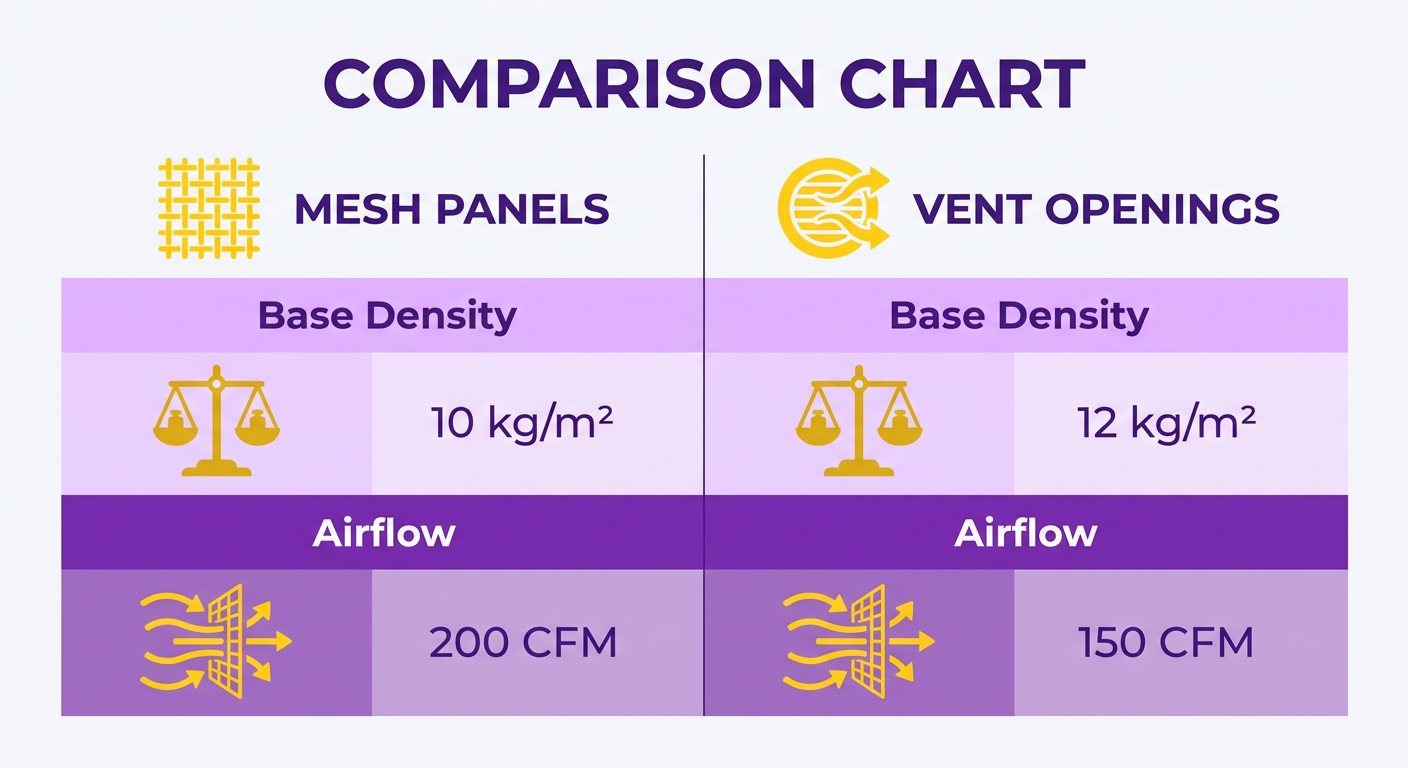
Where should ventilation go on cotton activewear?
Target the zones where heat naturally builds—the upper spine and underarms—to get the most from any built-in mesh. Openings in these high-heat areas let body movement act as a natural bellows, pushing warm air out and pulling cooler air in.
A lightweight, open-weave cotton base keeps those zones from being blocked by heavy fabric. When the base is light, air moves freely across the skin and the body's natural cooling can do its work.
The logic holds across the body. No single opening type—chest, back, or pit—consistently beat the others. The lesson: don't overload one zone. Rely on modest openings across the areas that already catch airflow.
What DIY tricks boost airflow without wrecking the look?
You can improve venting at home without cutting into your garment. Loosen the fit at your natural sweat zones, layer a thin breathable base underneath, and use a temporary safety-pin gather to open the back of a looser top during hot sessions. These keep the silhouette intact while adding escape routes for heat.
The bigger lever is keeping the knit physically open. Washing with a gentle, residue-free detergent prevents microscopic buildup between the threads, so the spaces between the cotton fibers stay clear and air passes through as intended.
The 3-minute post-yoga breeze
Air your cotton out before it goes near a hamper. Hang each piece in a well-ventilated spot for a few minutes right after class. Trapped moisture evaporates instead of feeding bacteria in a balled-up pile.
For travel, use a breathable garment bag, not plastic. Plastic traps humidity against the fabric and undoes the airing-out you just did.
When to retire a vented piece: watch the mesh, not the cotton. Once mesh panels stiffen, pill, or lose their open weave, ventilation drops off even if the cotton still looks fine. That's your signal to replace it.
Environment matters too. In very humid conditions, evaporation slows down no matter the fabric or vent design. There, garments with minimal skin coverage—tanks or open-back tops—are the most effective way to stay cool.
Cold-Washing: Preserve, Protect, Prevent Odor
Cold water at or below 30°C (86°F) is the single most important thing you can do for cotton activewear. It preserves fiber length, protects color, and slashes energy use. This one habit does more to keep your breathable workout clothes performing than any detergent or gadget.
Why does temperature matter this much? Hot water agitates and swells cotton fibers, which fades color and roughens the hand-feel over time. Cold washing keeps premium long-staple fibers smooth and intact, so the fabric stays soft, breathable, and sweat-resistant wash after wash.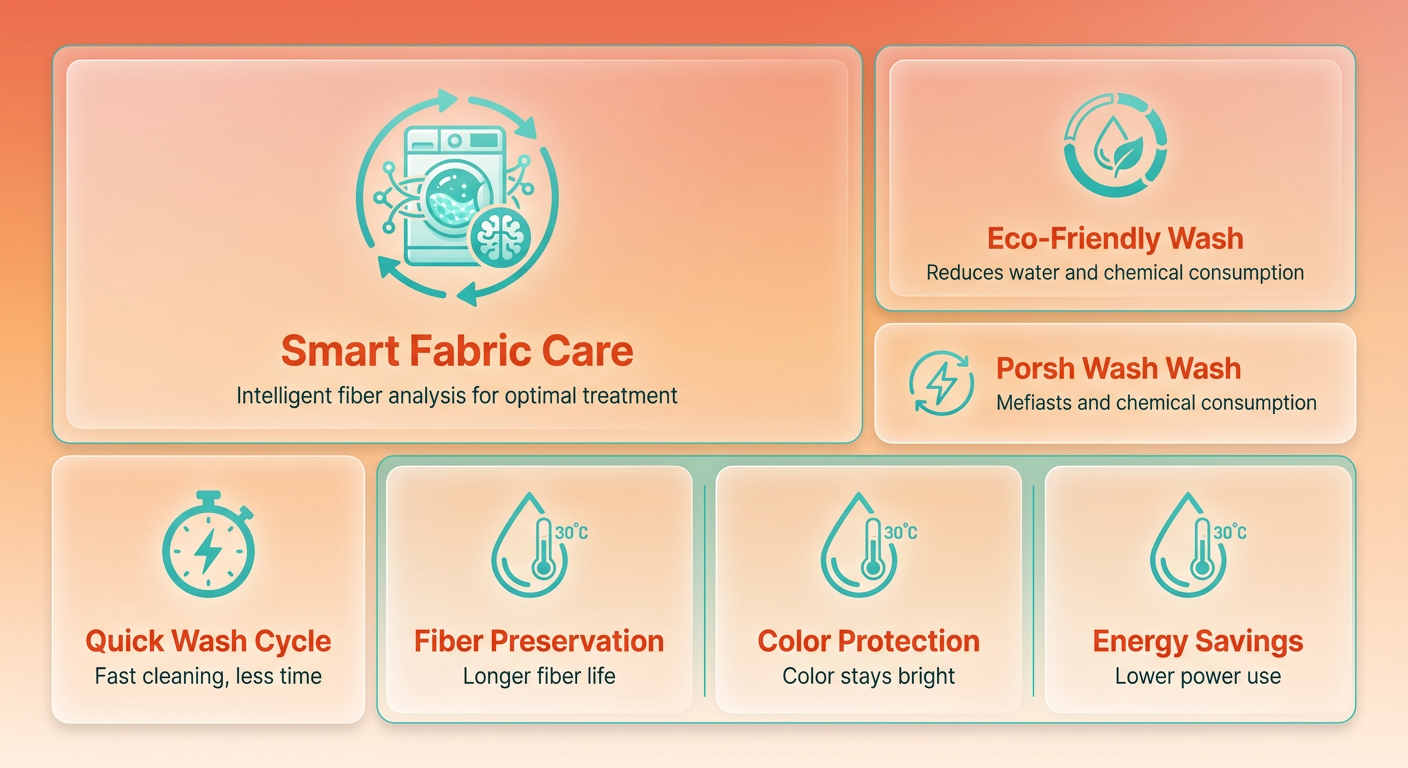
Which Detergent and Cycle Actually Protect Cotton?
The rule: mild, fragrance-free detergent on a gentle cycle, and never fabric softener. Softeners leave a coating that clogs the fabric, and that coating is the enemy of airflow.
This matters most for natural fibers. Standard softeners deposit a thin layer of lubricating chemicals to make fabric feel softer. On high-quality cotton, that buildup acts as a barrier, keeping the fibers from absorbing and evaporating moisture. Keep the wash cycle free of these additives and the natural performance stays intact.
Keep the spin moderate. A gentle cycle with a lower spin speed protects fiber structure and shape. Washing garments inside out shields the outer face from friction against other clothes, preventing pilling and keeping the surface smooth.
How Do You Kill Sweat Odor Without Harsh Chemicals?
An acidic pre-soak breaks down organic buildup. Distilled white vinegar helps dissolve the body oils and mineral deposits that trap bacteria in the knit. Soaking activewear in a diluted vinegar bath before a regular cycle lets those deep-seated residues release without damaging the natural fibers.
Baking soda works the other way, raising the pH of the wash water. That alkaline environment helps break down acidic sweat residues and neutralizes lingering odors, leaving the fabric fresh without synthetic fragrances.
These gentle habits pay off in lifespan. Skip the harsh chemicals and high heat, and you prevent the premature breakdown of cotton fibers, so your favorite pieces hold their shape, softness, and performance over hundreds of washes.
Your Cold-Wash Audit Checklist
Run your current wardrobe through these standards:
- Water temp: at or below 30°C/86°F, every wash.
- Detergent: mild, fragrance-free. No enzymes needed for light soiling.
- Softener: none, ever. Check you haven't added it out of habit.
- Cycle: gentle, moderate spin, garments inside out.
- Odor prep: vinegar soak or baking soda for anything you sweated through.
- Drying: air-dry to prevent thermal damage to the fibers.
Nail these six and your cotton keeps its premium feel for years instead of fading after a season.
References
[1] Moisture-Wicking vs. Cotton Training Apparel - REP Fitness - https://repfitness.com/blogs/guides/moisture-wicking-vs-cotton-training-apparel
[2] How to Wash and Care for Dirty Workout Clothes - Nike - https://www.nike.com/a/take-care-workout-clothes
[3] How to Wash Workout Clothes: A Complete Guide - Whirlpool - https://www.whirlpool.com/blog/washers-and-dryers/how-to-wash-workout-clothes.html
[4] How to Get That Lingering Sweat Smell Out of Your Workout Clothes - https://www.onepeloton.com/blog/how-to-get-sweat-smell-out-of-clothes
[5] The Role of Sports Clothing in Thermoregulation, Comfort, and ... - https://pmc.ncbi.nlm.nih.gov/articles/PMC9051004/
[6] Effects of Clothing Ventilative Designs on Thermoregulatory Responses ... - https://www.researchgate.net/publication/251926893_Effects_of_Clothing_Ventilative_Designs_on_Thermoregulatory_Responses_during_Exercise
[7] The influence of fabric air permeability on the efficacy of ventilation features - https://www.researchgate.net/publication/262863074_The_influence_of_fabric_air_permeability_on_the_efficacy_of_ventilation_features
[8] (PDF) Effect of different garments on thermophysiological and ... - https://www.researchgate.net/publication/373810018_Effect_of_different_garments_on_thermophysiological_and_psychological_comfort_properties_of_athletes_in_a_wear_trial_test
Frequently Asked Questions
1. Can I use apple cider vinegar instead of white vinegar for the odor soak?
White vinegar is the recommended choice because it is distilled and completely colorless, eliminating the risk of dye transfer or staining on light-colored cotton. Apple cider vinegar contains organic pigments and residual sugars that can leave yellow spots or a sweet, lingering scent on the fabric, defeating the purpose of the odor-neutralizing soak.
2. How can I tell when it's time to replace a vented cotton top?
Inspect the synthetic ventilation zones rather than the main body fabric. Over time, the elastane or polyester fibers in mesh panels can degrade from friction and washing, causing the tiny openings to clog or lose their elasticity. If the ventilated sections feel rigid, show signs of fraying, or no longer stretch back into shape, the garment's ability to circulate air has been compromised.
3. If cotton resists odor better, why do synthetics still get recommended for intense workouts?
Synthetics are engineered to push moisture away from the skin and dry rapidly, making them highly efficient when you are producing large volumes of sweat. Because cotton holds onto moisture rather than repelling it, heavy perspiration can leave the fabric saturated and heavy. For activities with lower sweat rates, cotton's natural breathability and superior odor resistance make it the more comfortable choice, but high-intensity cardio is better served by moisture-wicking synthetics.
4. Should I size differently for fitted leggings versus a loose layering top?
Yes, size in opposite directions. For leggings and fitted tops, size down to the smaller number when between sizes, since stretch closes the gap. For tunics and layering tops meant to catch airflow, size up half a step so fabric floats off skin instead of sticking.
5. Does airing out cotton after a workout actually replace washing it?
No, airing out is a preventative measure to manage moisture before washing, not a substitute for a full cleaning cycle. Hanging damp activewear immediately after use prevents the dark, humid conditions that allow odor-causing microbes to multiply rapidly. While this step keeps your laundry hamper fresh and makes the eventual wash cycle more effective, any garment that has absorbed significant sweat must still be thoroughly washed to remove embedded body oils.
6. Why does skipping fabric softener matter for cotton if it's marketed for softness?
Fabric softeners work by coating fibers with a thin, hydrophobic layer of chemicals to reduce static and increase fluffiness. While this feels pleasant on casual wear, it seals the natural pores of cotton fibers, preventing them from absorbing moisture and allowing air to pass through. Skipping softener ensures the knit remains open and clean, preserving the fabric's natural cooling properties.
7. Is air-drying really better than a low-heat dryer setting for cotton activewear?
Yes, avoiding the dryer entirely is highly beneficial. The combination of heat and mechanical tumbling in a dryer causes microscopic friction that weakens natural cotton fibers and degrades any elastane blended into the fabric. Air-drying eliminates this thermal stress, preventing shrinkage and ensuring your activewear maintains its original shape and elasticity for a much longer period.