Athleisure After 40: Pima Cotton Pieces That Hold Shape Wash After Wash
September 26, 2026
What You Need to Know
Pima cotton's extra-long staple and high tensile strength help it resist bagging. It also holds color through wash after wash. In Strategist testing, an Oleta bra made of 84% organic cotton matched a synthetic Nike bra for support. Cotton absorbs moisture instead of wicking it. That makes it the wrong call for running or hot, high-intensity sessions. Mid-market Pima joggers start around $57.99, alongside lower-priced cotton basics like the LA Apparel tank. A blend with roughly 5 to 8 percent elastane gives you more range of motion for deep poses than pure Pima.
The three questions that decide your pick
Shopping for natural-fiber activewear after 40 comes down to three things: how the fabric handles workout intensity, how well it holds shape over the years, and how much laundry care it needs. The picks below run from budget cotton basics to premium Pima. A few athleisure staples are also built for low-impact movement like yoga. None of them does everything. Match the piece to how you actually move and sweat.
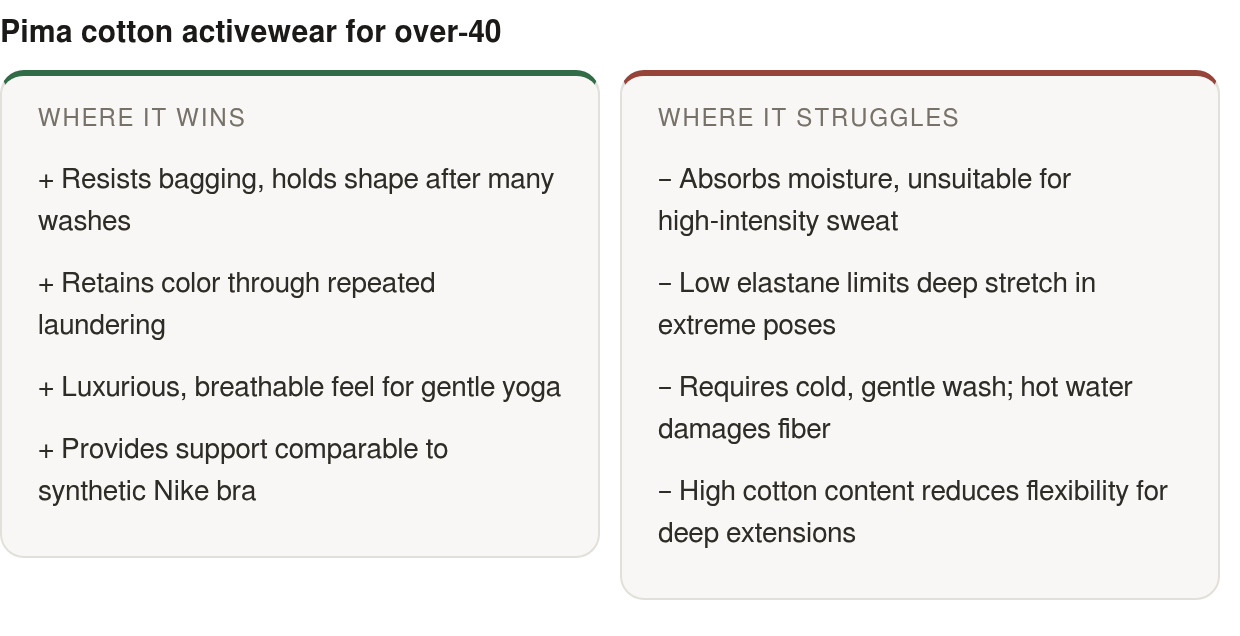
Start with sweat. Gentle flow or daily wear? Majority-cotton and Pima pieces shine. Running or high-intensity training? The Good Trade's testing puts cotton firmly in the low-impact lane, not the performance one. That single distinction sorts most of the table below.
Which pick fits your routine at a glance?
| Option | Best For | Starting Price | Key Strength |
|---|---|---|---|
| Black Pearl Yoga Wear | Over-40 yoga wardrobes in 100% Pima cotton | From $57.99 | 100% Peruvian Pima, prewashed, with a luxurious, breathable feel |
| LA Apparel Cotton-Spandex Tank | Budget daily wear | $20 | 95% cotton, 5% elastane at a low price |
| Baserange Oleta High-Neck Bra | Support without full synthetics | Not listed | 84% organic cotton, performs like a Nike bra |
| The Good Trade organic legging picks | Low-impact movement, ethics-first | Not listed | GOTS-certified, PFAS-free, editor-tested 8/10+ comfort |
What actually holds shape wash after wash?
Pima wins here, and the fiber quality explains why. The extra-long staple and high tensile strength, detailed by Fibre2Fashion, help it resist bagging and hold color through repeated washing. That same fiber strength is likely why the majority-cotton Oleta bra kept pace with a synthetic Nike bra for support. Premium natural fiber competes. Bargain cotton doesn't.
One tradeoff to weigh: a high-Pima, low-elastane piece resists sagging but gives you less deep stretch than a spandex-heavy legging. For most yoga poses, that's fine. For extreme range-of-motion work, a little more elastane helps.
What's the best pick for over-40 yoga wearers?
For gentle flow, restorative practice, and gym-to-street wear, 100% Pima cotton is worth paying for. Because cotton pulls moisture into the yarn, a gentle, low-temperature wash matters. Hot water and detergent can shorten the life of the fiber structure that helps Pima release absorbed sweat and rebound to shape. Protect the wash routine, and you protect the exact property you bought.
Skip Pima for running or hot, high-intensity sessions. The softness that feels luxurious in yoga turns heavy and clingy when you're pouring sweat. No care routine fixes that mismatch.
Prices start around $57.99 for prewashed Pima joggers. You're paying for fiber grade and shape retention, not a logo. If longevity through years of washing matters more than the upfront number, that's where the premium earns its keep.
Why not just buy one thing?
No single piece wins every category, and that's the starting point before you spend. Premium Pima costs more than a budget cotton tank, so the question is whether your movement style justifies it. If your week is mostly gentle flow and daily wear, a mid-range cotton legging plus a couple of athleisure basics may cover you. If you want one piece that holds its shape for years of yoga, the math tilts toward Pima.
Feature gaps matter too. A budget cotton-spandex tank from Los Angeles Apparel blends cotton with a touch of elastane and works beautifully as a summer bra replacement. But it runs thin and won't give real support for a larger chest. That's a use-case question, not a quality flaw. Plus-size shoppers who need structure should weigh construction, not just fiber content.
What does cost actually buy you?
The tension in the sources is worth naming. The Good Trade's testing places cotton in the wrong lane for intense sweat. Yet a Strategist writer tried a high-neck organic cotton bra and found it worked through low-impact movement.
Both are true. Cotton isn't the tool for hard training, but a well-built majority-cotton piece can feel great in slower sessions. The over-40 yoga practitioner sits right in that zone. What separates the winners is fiber quality. Pima's long, smooth profile is why a natural fiber can hold shape and support the way a synthetic does.
When flexibility turns into a tradeoff
Shape retention and flexibility are different properties. Pima resists bagging thanks to fiber strength. Elastane gives range of motion. If your practice leans into wide stretches, pick a cotton blend with enough stretch built in rather than assuming the purest fiber content is automatically better.
Think in practical thresholds, not a spec chart. For daily flow and casual wear, a low-stretch natural piece rewards you with structure that lasts. For dynamic vinyasa or hot yoga, put sweat management and range of motion ahead of fiber pedigree. For budget layering, accept that a thin cotton tank trades support for breathability. Matching those thresholds to your real week beats chasing the single highest-rated option.
Care is the quiet variable. A prewashed garment gives you a head start, but a gentle wash habit is what keeps that luxurious feel worth it over the long run.
Featured: our 100% Peruvian Pima
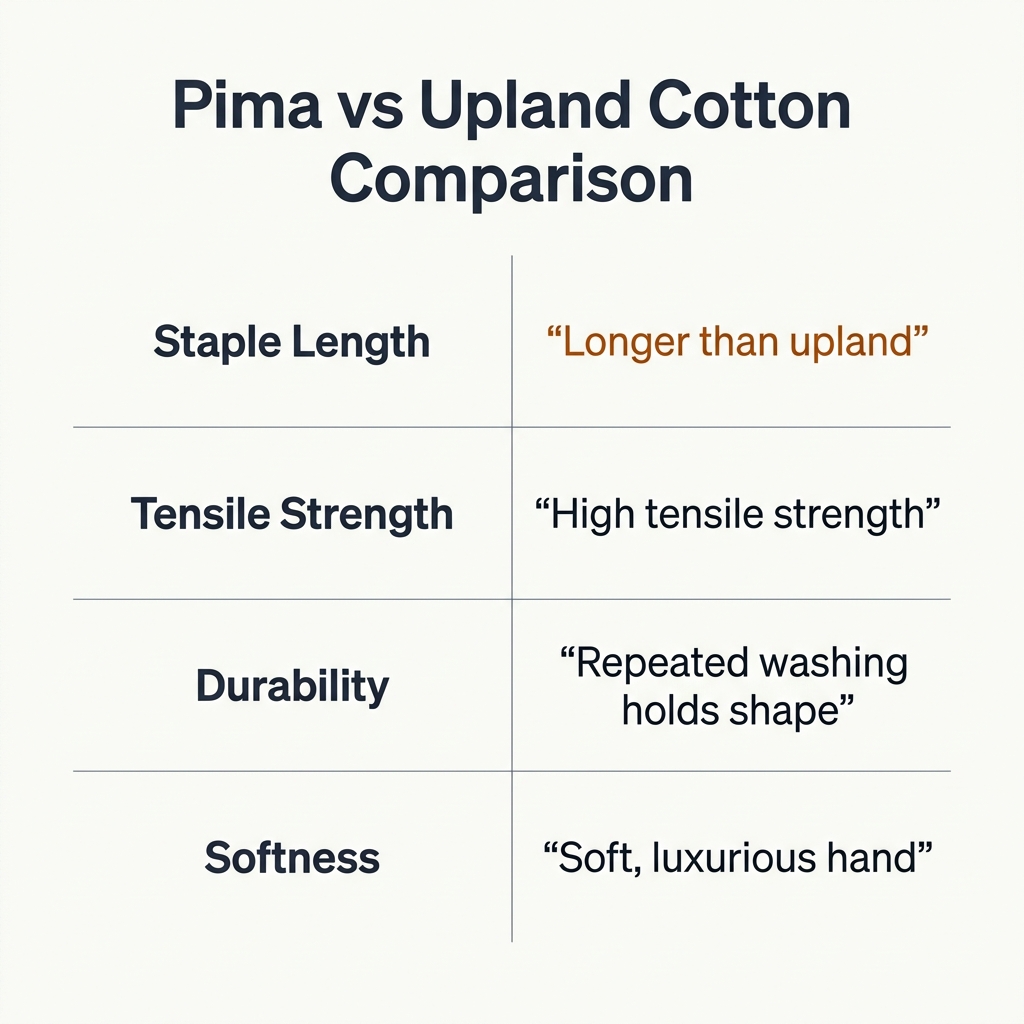
We put our own Peruvian Pima at the front of this section because the fiber earns it on measurable properties, not on positioning. Staple length is the technical marker most closely tied to hand-feel and durability, and Pima's staple runs noticeably longer than upland cotton varieties. That difference in raw fiber carries straight through to the finished garment.
The Pima cotton fiber guide notes that the fabric holds shape, color, and softness through repeated washing. Generic cotton bags out at the knee and waistband. That one property is part of what lets a natural fiber compete with synthetics for daily wear.
There's a live debate in natural-fiber activewear about whether cotton can actually perform. The Good Trade's testing draws the boundary around gentle exercise, daily movement, low-sweat workouts, and cooler climates.
The deciding factor is fiber grade and intensity. For gentle flow, restorative work, and daily wear, premium Pima delivers breathable comfort. Push into HIIT or a hot run and cotton loses. We build for the first zone on purpose: comfort you can wear from the mat through the rest of your day.
Caring for prewashed Pima so it keeps its feel
Because cotton takes moisture into the yarn, how you launder it decides how long the fiber stays soft. Our pieces are prewashed, which helps them hold their fit from the first wear.
Gentle care preserves the long-staple rebound that gives the fabric its soft hand. Wash cold. Skip fabric softener, since it coats the fiber and dulls the feel. Line dry or tumble low to limit the friction that wears cotton down.
Where our fit wins, and where it doesn't
Skip our Pima pieces if your training is high-intensity or heavy-sweat. You'll want a technical synthetic there, and we'd rather say so than sell you the wrong thing. A cotton build also trades some deep range of motion for softness and shape, so if your practice lives in extreme poses, size up or layer.
For everyone who wants chic, versatile comfort that moves from yoga to casual wear, this is the pick.
| Consideration | What to look for | Why it matters |
|---|---|---|
| Staple length | Extra-long fibre | Longer strands resist pilling and hold softness |
| Sweat level | Low to moderate | Cotton is best when sweat load stays manageable |
| Fit priority | Shape and comfort over compression | Natural fibre favours ease of wear |
The reviews put the everyday appeal plainly. One customer wrote, "I love the texture and style of this! I honestly wear this whenever not at work bc it's feminine and soft." Another noted the "soft and durable cotton" and quick shipping.
That's the comfort natural fiber can reach. Premium Peruvian Pima is how we get there and keep it soft wash after wash.
Baserange Oleta: a cotton bra with real structure
Our second pick moves from leggings to support, because the hardest natural-fiber problem after 40 is finding a bra that holds you up without a wall of polyester. Baserange's Oleta high-neck bra is the one we keep coming back to. It pairs majority organic cotton with a touch of synthetic and elastane, and it earns its spot for the plus athleisure shopper who assumed cotton meant zero structure.
That blend matters more than the label suggests. Fitting women who want grown-up activewear, we've found a majority-cotton bra with a bit of engineered content sits in the sweet spot: enough natural fiber for breathability against the skin, enough structure to keep the band and cups from collapsing after a season. The plus category has been starved of exactly this kind of piece.
A cotton bra that manages gentle-flow sweat
The useful lesson from the Strategist writer who tried the Oleta isn't that cotton is suddenly a performance fabric. It's that construction matters. A higher neckline, a secure band, and a carefully balanced blend can make a natural-fiber bra feel supportive through the movement many women actually do.
For breath work, slow holds, Pilates, and gentle flow, that's enough. The Oleta isn't trying to replace a compression running bra. It solves the more specific problem of comfort and coverage without going fully synthetic.
That an organic-cotton piece can still handle gentle movement points to a simple truth: fiber quality, not fiber type alone, decides how a piece performs. Longer fibers spin into smoother, stronger yarn that resists pilling and holds shape through wash cycles, which is why a premium cotton knit outlasts a bargain one even when both start soft.
Where the Oleta fits and where it doesn't
Skip it if you run or do HIIT. Cotton-dominant construction still holds moisture when you push hard, and no wash routine fixes that. For a road workout, reach for a technical synthetic and accept the tradeoff.
For yoga, Pilates, and daily wear, though, it's a genuine contender. The care rule is the same one that protects any premium natural fiber: wash cold, avoid harsh detergent. Heat and stripping agents wreck the fiber structure that gives cotton its softness, and softness is what you paid for.
If you want a lower-impact option in the same natural-fiber family, Baserange also makes a soft bra in bamboo lyocell, which drapes closer to the skin and dries a shade faster than cotton for warmer studios.
The Oleta covers support for low-impact sessions while a well-made cotton base layer handles everything worn around it. One factor decides whether either delivers: how honest you are about the intensity you actually train at. A bra sized for gentle flow will let you down on a run, and a technical piece feels overbuilt through a slow restorative class. Match the piece to the movement and both hold up.
The Core Capri: cotton for warm-room practice
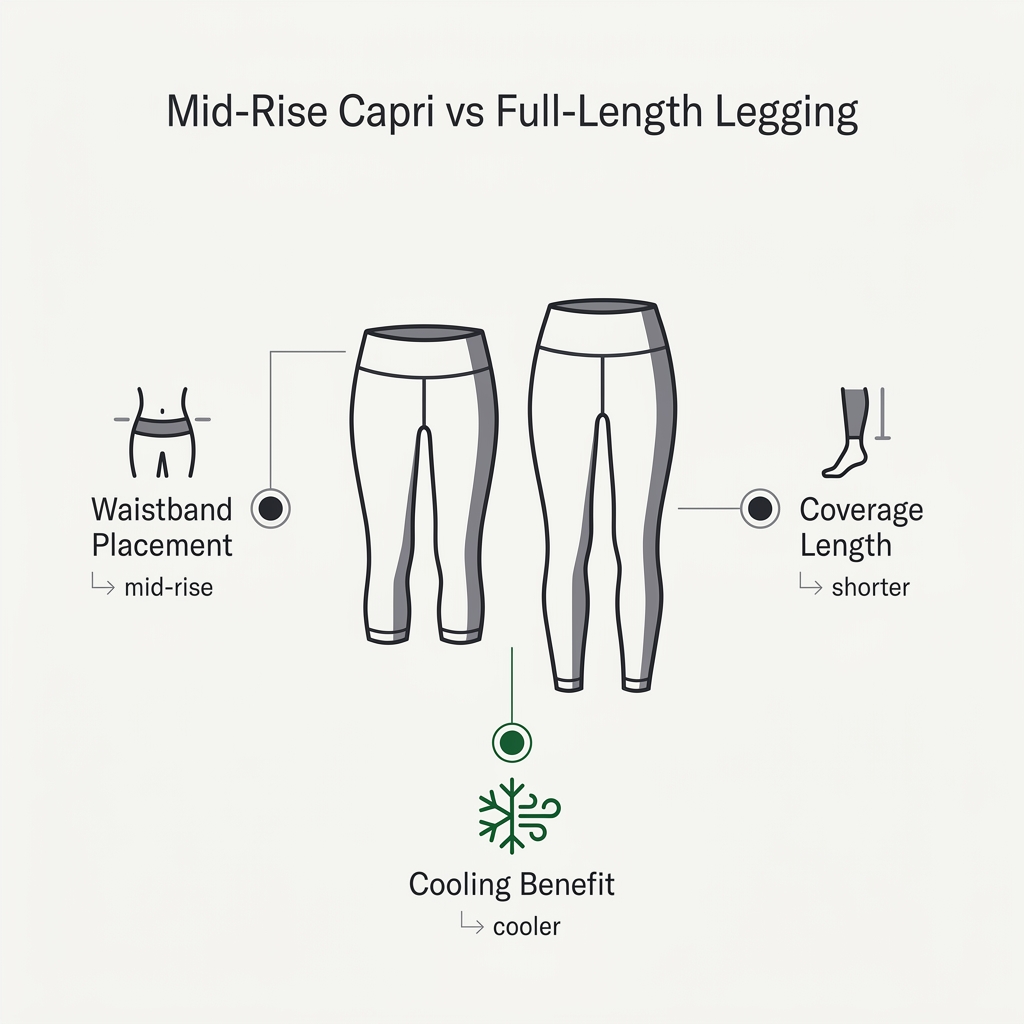
Our third pick shifts to a shorter length: the mid-rise cotton capri, for anyone who runs warm in a heated flow and finds full-length leggings stifling. The Core Capri earns its slot on fit, not flash. A mid-rise band that sits comfortably around the midsection is exactly the kind of fit detail the over-40 athleisure shopper almost never gets from a spec sheet.
That detail matters because the waistband is where most cotton pieces fail first. A mid-rise cut with a touch of stretch holds position through seated poses and forward folds without digging or rolling. For low-impact movement, this is the sweet spot. Plus-size buyers who want daily-wear comfort over gym performance will feel the difference in the first session.
How does a cotton capri hold up in a real yoga session?
For gentle flow, restorative work, and daily wear, it holds up well. Cotton breathes against the skin, and the capri length keeps you cooler than full leggings.
The limit is heat plus sweat load. The Good Trade places cotton pieces in the low-impact lane, which makes the capri a smart yoga tool but not a stand-in for technical running gear. If your week includes running or HIIT, skip the cotton capri. For mat work, it makes sense.
What's the tradeoff with a high-cotton blend?
The more cotton in the blend, the more the garment leans on its cut rather than stretch. That can feel excellent in supported poses and less forgiving in deep extension. So the choice comes down to what your practice demands: a cotton-heavy piece resists bagging but may limit how far you can extend, while a stretchier blend frees movement at a small cost to long-term structure.
Why does your wash routine decide how long it lasts?
This is where care beats fabric. Cotton's moisture regain is exactly why hot water and harsh detergent shorten a garment's life. Aggressive heat and surfactants weaken the fiber structure that lets natural cotton rebound to shape after it absorbs sweat. A cold, gentle wash protects that rebound. It pairs well with our own Peruvian Pima pieces, which arrive prewashed for a luxurious feel from the first wear.
One tip for this length: turn the capri inside out before a cold wash to guard the outer face against pilling at the calf, where the fabric rubs most during standing poses. Dry it flat rather than hanging, so the mid-rise band doesn't stretch under its own weight while damp. Those two small steps do more for longevity than any premium price tag, and they cost nothing beyond a minute on laundry day.
Pros: cooler than full leggings, forgiving mid-rise fit, breathable natural fiber. Cons: no technical sweat management for intense work, and the high-cotton blend trades away some flexibility. Ideal for the woman who practices gentle flow, values comfort over performance, and washes cold to make it last.
Mate: GOTS-certified organic cotton leggings
If you've spent any time in the plus athleisure space hunting for leggings that feel like actual clothing rather than gym gear, you've probably landed on Mate. The Good Trade describes organic cotton pieces that feel good and look good across workouts and leisure alike, and Mate fits that mold. The fabric reads closer to a soft loungewear piece than a traditional legging, with enough drape to move from a yin class to a coffee run without changing.
Mate uses GOTS-certified organic cotton and keeps spandex content low. That's the trade you accept. A lower elastane ratio means the fabric breathes and feels natural against the skin, but the same Good Trade review notes higher cotton content reduces flexibility, so deep split-leg poses or power flows will feel more restricted than in a synthetic. For gentle yoga, restorative practice, or daily wear, that's a non-issue. For standing splits or deep lunges, it matters.
When cotton's absorption becomes a care question
Read Mate as a comfort legging with yoga range, not a compression legging with lifestyle styling. That framing avoids disappointment. For the over-40 practitioner doing low-to-medium-intensity movement, cotton's absorption is manageable. What that absorption means is that each wash cycle matters more than it would with a synthetic.
Cotton that soaks up sweat and body heat also soaks up detergent residue. Hot water opens the fiber, strips the natural wax coating that gives fine organic cotton its softness, and degrades the spandex that keeps the waistband from collapsing. Gentle, cool washing matters for any cotton piece you want to keep soft. Our Pima pieces arrive prewashed, so they hold their fit from the first wear, and treating them with care keeps that feel intact.
What the organic certification actually covers
Certification is doing more work here than the label suggests. The GOTS standard requires at least 95 percent certified organic fiber for the full organic grade and a minimum of 70 percent for the "made with organic materials" tier, so two leggings marked organic can differ significantly in composition. The standard also governs dye and finishing chemistry, banning heavy metals and formaldehyde from the process. For a legging worn against the skin for hours, that chemical restriction matters as much as the fiber source. Sensitive skin tends to react to finishing residues more than to the cotton itself, and a large share of clothing-related contact dermatitis traces back to dyes and finishes rather than the base fabric. If you're choosing organic partly to avoid irritation, the certification tier tells you how much of that process is genuinely controlled.
Mate earns its spot for anyone who wants GOTS certification and that draped, lived-in feel. Skip it if your practice runs warm and sweaty, or if you want a naturally silky cotton that keeps its luxurious feel with gentle care. For the latter, fiber quality separates the options: Pima's extra-long staple and higher tensile strength are the structural reason a fine cotton piece can hold its form long after a standard organic blend has softened out of shape.
LA Apparel: budget cotton basics
Our fifth pick swings to the other end of the price spectrum: Los Angeles Apparel's budget cotton basics, for the plus athleisure shopper who wants a natural-fiber layer without a premium invoice. The brand you might file under bright nylon leotards actually runs a wide line of cotton pieces, as the Strategist's non-synthetic activewear hunt turned up.
Two pieces earn the slot. The cotton-spandex tank crop top pairs mostly cotton with a touch of elastane for stretch, and it lands at a budget price. The 2x1 Rib women's tank is the thicker, more polished sibling. For plus buyers building a starter drawer of natural-fiber tops, this is the low-risk entry point.
What do you actually get at a budget price?
The crop top works as a daily-wear bra replacement, not a support garment. Reviewers who hunted for non-synthetic activewear liked it as a casual summer layer while noting the fabric runs thin and won't hold a larger chest.
That thinness is the tradeoff. With only a little elastane, you get enough give for gentle flow and forward folds, but not real structure. If you need a band and cups that stay put through a full class, look back at a majority-cotton bra built for support.
The 2x1 Rib tank fixes the elegance problem. It's thicker and reads more polished, closer to something you'd wear to a Pilates class than a sweaty errand run.
How does budget cotton survive the wash?
This is where the over-40 wash routine earns its keep. Budget cotton is forgiving on price but less forgiving in the laundry room. Thin knits show twisting, stretching, and neckline slack faster than premium yarns.
A thin budget knit is also first to warp under hot water and harsh detergent. Wash cold, skip the aggressive detergent, and lay flat to dry. That habit stretches the functional life of a budget tank well past what the price suggests.
The quality gap is real. Budget cotton with light elastane bags out faster than a tightly spun combed-cotton knit, so treat these as seasonal basics rather than heirloom layers. A quick test before you buy: bunch the fabric in your fist and release it. Springs back cleanly? The yarn has enough twist to survive a season of washes. Creases linger? Expect it to lose shape faster.
Summary Comparison
| Piece | Fabric | Price | Best For | Watch Out |
|---|---|---|---|---|
| Cotton-Spandex Crop Top | Mostly cotton with light elastane | Budget | Summer bra replacement, gentle flow | Thin fabric, no real support |
| 2x1 Rib Tank | Cotton | Budget | Layering, casual Pilates look | Less stretch than blends |
Ideal user: you're testing whether natural-fiber tops fit your practice before committing to premium prices. Skip these if you need structured support or plan to sweat hard. They shine as breathable, affordable basics for low-impact days, and the cold-wash habit is what keeps them wearable season after season.
Baserange bamboo lyocell: the featherweight layer
Our sixth pick steps outside cotton entirely: Baserange's soft bra in bamboo lyocell, for the plus athleisure shopper who wants a natural fiber with a lighter water footprint. The Strategist's non-synthetic hunt flagged this one because bamboo lyocell uses less water than cotton, which matters if sustainability drives your buying as much as feel.
We include it because a smart natural-fiber drawer isn't all one fiber. Bamboo lyocell drapes soft against the skin and reads as an easy layering piece for gentle flow or a rest day. It won't feel quite like a long-staple cotton, so treat it as the featherweight in the rotation, not the workhorse.
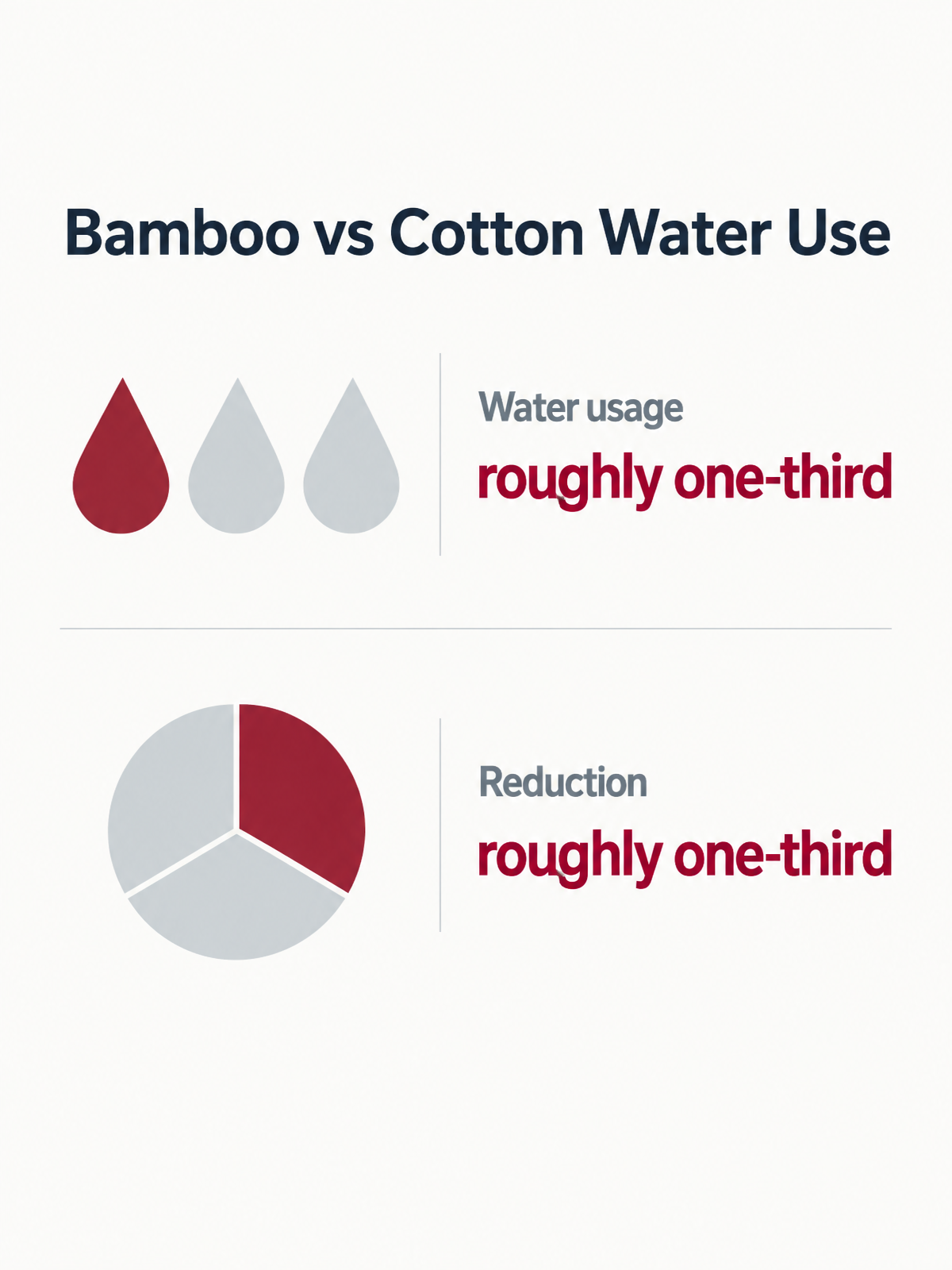
Bamboo lyocell trades structure for a softer hand
Lyocell feels wonderful and moves well, but it lacks the springy body that gives Pima its strength, softness, and durability through repeated washing. Lyocell is a regenerated cellulose fiber spun from wood pulp, so it starts silky but relaxes with wear as the closed-loop processing prioritizes softness over spring-back.
Match the bra to the job. For zero-structure comfort in a yin class or lounging, the bamboo soft bra earns its slot. For a piece that holds its shape from a full vinyasa through casual outings, a structured cotton is the better call.
The wash routine decides how long it lasts
Every natural fiber in this roundup shares one weakness: heat and detergent shorten its life. Cotton and lyocell both need gentler treatment than technical synthetics if you want the hand-feel to last. The Good Trade's testers note cotton pieces are built for gentle movement, not high-sweat performance, and that same low-impact framing suits this bamboo layer.
Prewashed pieces arrive already broken in, and treating them kindly in the wash preserves the feel. Cool water and a gentle rinse protect the property your yoga wear relies on.
How the six picks stack up
Here's where bamboo lyocell sits against the fibers it competes with on a rest day:
| Fibre trait | Bamboo lyocell | Long-staple cotton |
|---|---|---|
| Hand feel | Silky, fluid drape | Soft with more body |
| Shape retention | Relaxes faster | Rebounds well |
| Water footprint | Lower than cotton | Higher, varies by grade |
| Best use | Rest-day layering | All-day versatility |
| Sweat handling | Absorbs, slow to dry | Absorbs, slow to dry |
Ideal buyer for the sixth pick: you already own a structured cotton piece and want a soft, eco-minded layer for low-effort days. Skip it if you need lasting structure. That's what the firmer picks are for.
LA Apparel 2x1 Rib tank: the polished layer
Our seventh pick is Los Angeles Apparel's 2x1 Rib women's tank, the polished cotton layer for the shopper who wants a natural-fiber top that reads put-together rather than gym-issue. The Strategist's non-synthetic test called it the 2.0 version of a plain white tank, thicker and more elegant than the usual cotton basic.
That elegance is the point. For women over 40 building a drawer around gentle flow and daily wear, a ribbed cotton tank fills the gap between a support bra and a full top. It layers over a majority-cotton bra, holds a clean line through seated poses, and moves straight to a coffee run without changing.
Why does the ribbed tank earn a spot?
The 2x1 rib construction gives it more body than a thin jersey tank. That structure keeps it from clinging or going see-through after a warm session. It won't wick sweat, though, so this is a low-impact piece, not a running top.
That distinction matters more than the price tag. The Good Trade's tested organic cotton lineup makes the same practical call throughout: cotton belongs with yoga, lounging, and daily wear rather than intense training. Skip this tank for a sweaty spin class. Reach for it on the mat.
The Strategist writer framed the appeal simply: a thicker cotton tank finished enough to wear to a low-key studio class rather than just around the house. That's the use case. A confidence layer, not a performance garment.
How should you wash a ribbed cotton tank to keep its shape?
Cotton rib lives or dies by its wash routine. Hot water and heavy detergent break down the fiber and slacken the ribbing, which is how a crisp tank turns shapeless in a season. A cold or lukewarm wash with minimal detergent, then a flat or hang dry, keeps the rib tight and the neckline from stretching out. It's the same low-temperature habit that helps a prewashed piece hold its feel.
This is the same logic that protects quality Pima, applied to a piece you paid far less for. The care habit is what makes any natural fiber last, budget or luxury.
How does it compare?
| Feature | LA Apparel 2x1 Rib tank | What it means for you |
|---|---|---|
| Construction | 2x1 ribbed cotton | Holds a clean line, resists see-through after warm sessions |
| Sizing range | Runs up to 3X in the plus line | Fits the athleisure drawer without a size-up compromise |
| Weight | Mid-weight knit | Enough body to skip a layering camisole underneath |
| Watch-out | No sweat-wicking, low-impact only | Match it to yoga and daily wear, not intense training |
Rating: 4 out of 5 for the low-impact, budget-conscious buyer. It won't match the luxurious feel of a Pima piece, and it won't support you through anything intense. But as a natural-fiber tank that looks grown-up and costs little, it's an easy add. Just match it to gentle movement, and treat it gently in the wash.
The eighth pick is your wash routine
Our eighth pick isn't a legging or a bra. It's the wash routine, and if you've built a drawer around natural fiber, this is the one that decides whether the other seven last a season or a decade. A low-temperature, detergent-light wash protects the exact properties you paid for.
The Pima cotton fiber guide explains why premium cotton stays smooth and stable through repeated washing. The missing piece is behavior at home. Wash hot with stripping detergent and you wear away the property that makes Pima worth the price. Wash gently and the garment has a much better chance of keeping its softness and line.
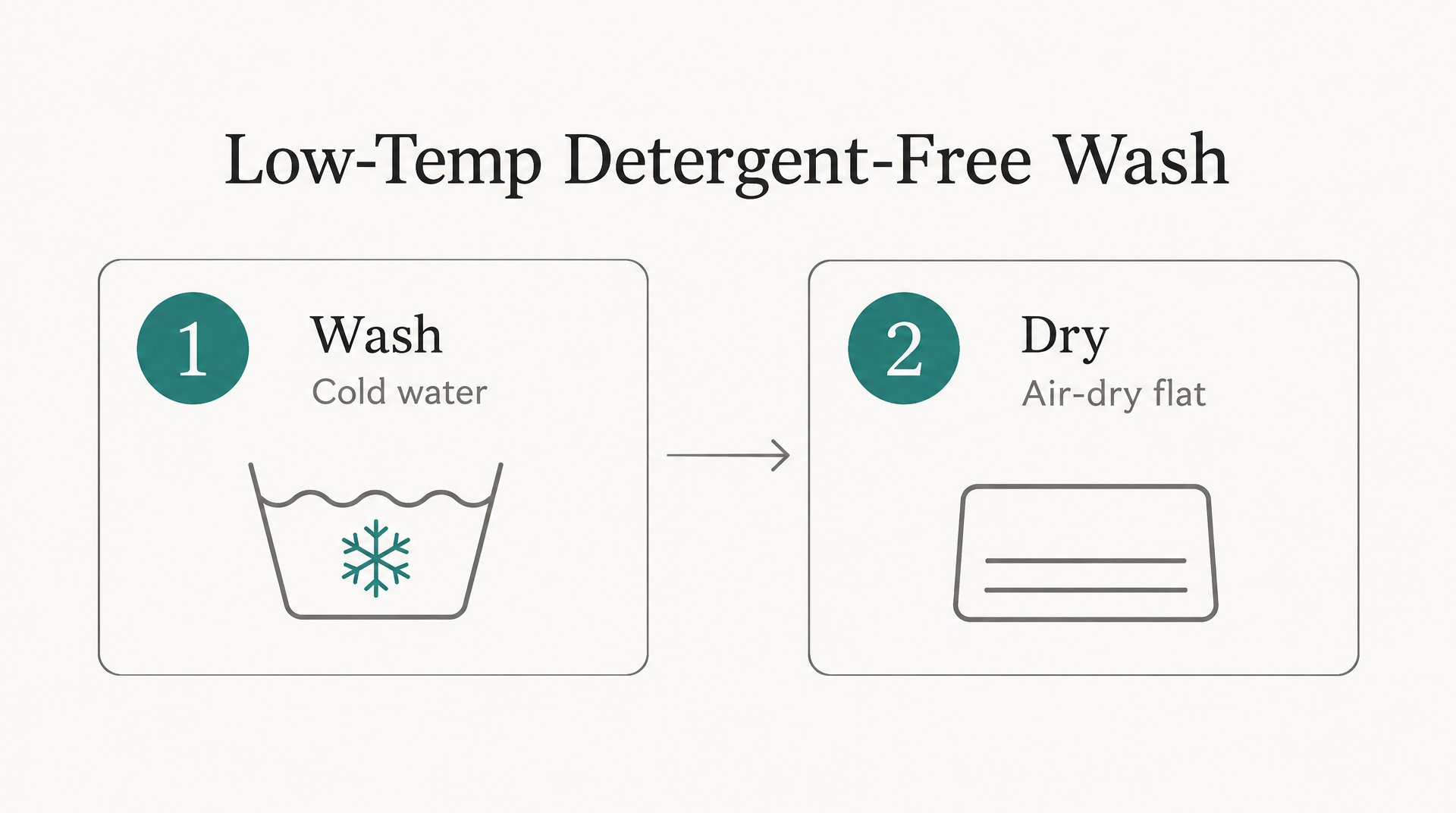
Why does a low-temperature wash matter for Pima?
A Pima piece pulls moisture into the fiber and releases it as it dries. That absorb-and-rebound cycle is what keeps a majority-cotton garment comfortable through a gentle flow when it isn't drenched.
Hot water and enzyme detergents attack the long fibers that make the cycle work. The fiber roughens, the weave loosens, and a piece that held its knee and waist shape starts to bag. Cold water keeps the staple intact. Skipping detergent, or using a tiny amount of gentle soap, stops the chemical stripping.
For the over-40 yoga wearer, this is the difference between a legging that keeps its shape through daily practice and one that goes shapeless by spring.
What does the routine cost you?
Almost nothing, which is the appeal. No new purchase, no subscription. You trade the convenience of a hot cycle for a cold one and a lighter hand with detergent.
| Approach | Fibre shape retention | Cost | Best for |
|---|---|---|---|
| Cold, detergent-free/minimal | Preserves staple and rebound | Free | Premium Pima, majority-cotton pieces |
| Hot, standard detergent | Accelerates bagging and pilling | Free | Synthetics you don't mind replacing |
One tradeoff to name plainly: cold washing won't sanitize the way hot water does, so for heavy-sweat gym gear you rotate out fast, this routine is overkill. It earns its place with pieces you want to keep. Skip it if your drawer is disposable synthetics.
Who is this for?
Anyone treating natural-fiber activewear as an investment rather than a season's buy. If your practice is low-impact and your pieces are Pima or majority cotton, the routine protects the shape and softness you're paying a premium for.
One more habit worth adding: air-dry flat instead of machine drying. Tumble heat is the second-fastest way to shorten those staples, and hanging a wet cotton legging lets gravity stretch the waistband out of shape. Lay it flat, reshape the knees while damp, and it dries back to its original lines. The wash and the dry are a pair. Neither works alone.
The bottom line on natural-fiber yoga wear after 40
Eight picks, one truth: the right choice depends entirely on how you move. Gentle flow and daily wear? Natural fiber delivers. Run or train hard? The Good Trade is blunt that cotton pieces aren't built for that category. Every shopper over 40 should start there before spending a dollar.
Here's how we'd sort the lineup. Premium Pima takes the top slot for its luxurious feel across gentle practice. Budget cotton earns its place for anyone testing the waters. And the buyer who needs real bra structure has better options than the "cotton means no support" assumption would suggest.
Which pick fits your use case?
Match the piece to the demand you put on it and the decision gets simple.
For heated or vigorous flow, prioritize a mid-rise band that stays seated through folds and a fabric that runs cool. Warm-room practitioners tend to regret full-length coverage fast, so a capri cut earns its keep.
For support without a wall of synthetic, a majority-cotton bra that still holds the band is the sweet spot. Pure natural fiber gives up some structure, so a small blend is the fair trade for anyone who needs the band to actually do its job.
For everyday layering, a ribbed tank holds a clean line under a jacket and reads put-together rather than gym-bound. Treat it as a styling piece, not a support one.
For rest days and travel, a featherweight bamboo lyocell layer carries the lightest water footprint of the group. It won't stand up to a workout, but for low-effort wear it's the softest option on the list.
Who should buy premium Pima?
If you want one piece that survives years of gentle practice, this is where the money makes sense. Pima's fiber strength is what keeps the waist and knee from bagging the way generic cotton does. We put our own Pima work at the top of this list on that quality, not on brand loyalty.
Skip the premium tier if your practice is occasional or you're still figuring out whether natural fiber suits you. A budget cotton tank does that job at a fraction of the cost.
So what would we actually buy?
For most women over 40 building a natural-fiber rotation around yoga, mix tiers instead of chasing one hero piece. Anchor the drawer with a Pima legging, add a majority-cotton support bra like the Oleta from Baserange, and fill in with a budget tank or two.
Then protect all of it with a low-temperature, detergent-light wash. That single habit keeps the whole rotation soft, shaped, and comfortable season after season. Our pieces arrive prewashed, so a gentle routine helps preserve the natural-fiber feel you started with.
References
[1] 10 Best Organic Cotton Leggings For Women (Reviewed) - The Good Trade - https://www.thegoodtrade.com/features/organic-cotton-leggings/
[2] I Tried All the Non-Synthetic Activewear I Could Find - https://nymag.com/strategist/article/i-tried-all-the-non-synthetic-activewear-i-could-find.html
[3] What is Pima Cotton Fabric: Properties, Varieties, Uses & Global Market - https://www.fibre2fashion.com/market-intelligence/texpro-textile-and-apparel/textile-guide/10533/pima-cotton-fabric
Questions People Ask
Can I put Pima cotton activewear in the dryer?
Tumble low or line dry is safest. High heat and friction wear cotton fibres down over time. Skip fabric softener too, since it coats the fibre and dulls the soft hand you paid for. If you want the safest routine, wash cool and dry gently.
What's the difference between Pima cotton and regular organic cotton?
Pima refers to fibre grade; organic refers to how cotton is grown. A garment can be organic without having Pima's smoother, longer-staple feel. If shape retention matters most, look for the fibre quality as well as the farming claim.
If I have sensitive skin, does organic certification actually help?
It can, especially when the certification controls dyeing and finishing chemistry. If irritation is the concern, read the certification tier and finishing details rather than relying on the word "organic" alone.
How much elastane should activewear have for deep stretch poses?
For deep range-of-motion work, choose a cotton blend with visible stretch rather than pure Pima. High-cotton pieces are better for structure and softness; stretch blends are better when your practice asks for wider extension.