Pima Cotton vs Bamboo Viscose: Which Panty Stays Cooler Mid-Workout?
August 30, 2026
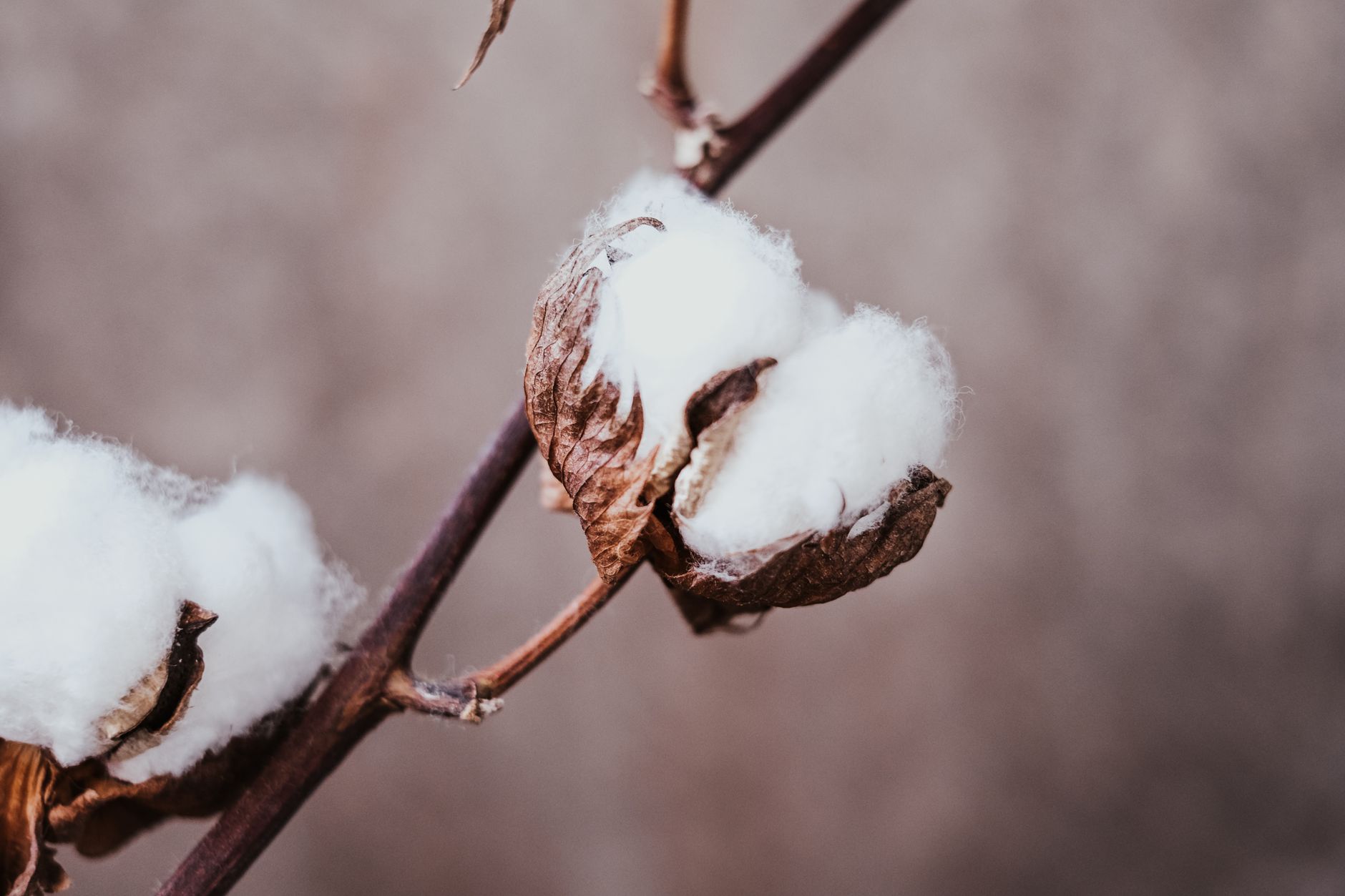
Key Takeaways
- Neither Pima cotton nor bamboo viscose wins across the board. The best breathable panty depends on how heavily you sweat.
- Bamboo viscose absorbs up to 60% more moisture than cotton, so it's the stronger pick for high-intensity or humid workouts.
- Bamboo shows lower raw thermal conductivity than cotton, which gives it a cooler first feel against skin.
- Bamboo's antibacterial edge means less odor buildup between washes, handy for sweaty back-to-back sessions.
- Bamboo is the more sustainable crop. It grows fast and needs far less water than cotton's 20,000-plus liters per kilogram.
- Pima cotton, from certified Peruvian growers, delivers a breathable, luxurious hand in pieces like the South Sea Bottoms.
Neither fiber wins on every front
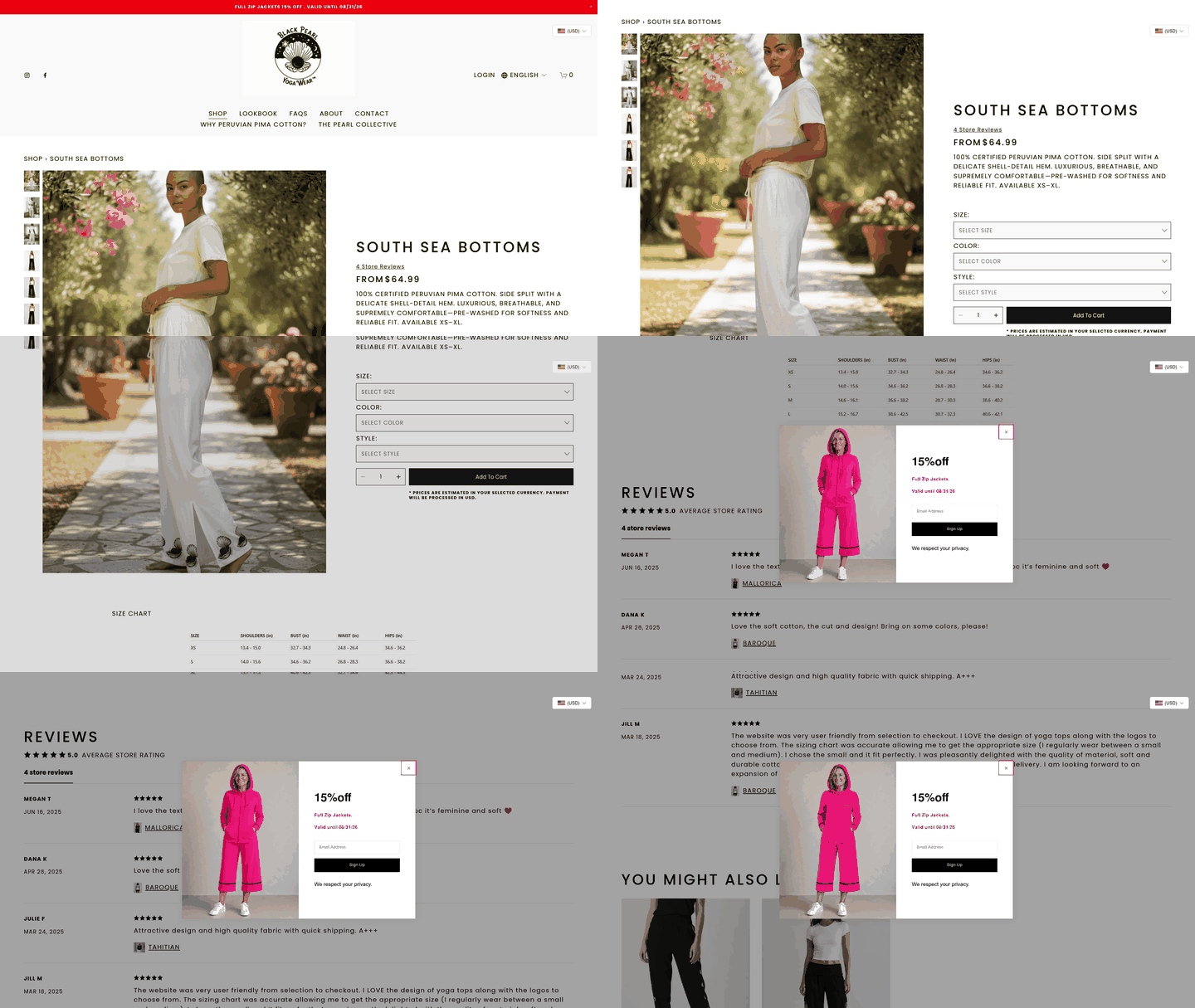
The honest answer up front: neither fiber wins on everything. Pima cotton and bamboo viscose each trade strengths, and the right breathable panty for you depends on how hard you sweat and what you care about most.
Here's where each earns its place, and where it falls short.
What bamboo viscose actually does well
Bamboo viscose is a regenerated cellulose fiber prized for moisture absorbency, antibacterial properties, and a soft, cool hand.
Its biggest strength is moisture handling. Thermal-properties research on bamboo and cotton knits found the fiber's structure pulls liquid away fast, which makes it a strong pick for high-intensity or humid workouts.
Bamboo also resists microbes naturally, per a comparative study of bamboo, cotton and viscose. That keeps the fabric smelling fresher through long, sweaty sessions.
On sustainability, bamboo is highly renewable. The crop grows without heavy irrigation, a sharp contrast to the resource-intensive cultivation cotton demands.
Where Pima cotton holds up
Pima cotton is a long-staple cotton valued for durability, softness, and reliable worn-garment comfort.
Now the twist marketing won't tell you. Bamboo's "cool feeling" gets promoted hard, but that same comparative study found bamboo "did not outperform cotton in thermal and moisture management." Gericke and Van der Pol (2010) found no significant differences in comfort between bamboo, cotton, and viscose.
Both fibers show similar water vapor permeability. So the moisture edge bamboo claims doesn't always show up once the fabric is against your skin.
Cotton's catch: it's more water-intensive to grow, and pure cotton has zero stretch. As one Reddit user in r/nontoxic put it, "You can't get 'modern' without elastane" if you want a form-fitting cut.
So which one actually stays cooler?
Bamboo wins on paper, but the felt difference is smaller than the label suggests. Raw thermal conductivity favors bamboo, yet whole-garment tests using sweating manikins and PERMETEST instruments find parity or even favor cotton.
The two contradict because they measure different things. Fiber-level cooling is real. Worn-garment comfort is a wash.
Here's how we'd choose:
- High-sweat or humid workouts: go bamboo, where rapid absorption and freshness retention shine.
- Low-sweat or casual wear: lean cotton. Bamboo's heavy absorbency can leave retained moisture next to skin when you're barely sweating.
- Sustainability first: bamboo, with its lower water footprint.
- Durability and simple comfort: Pima cotton holds its own, and the comfort data backs it.
Skip the "bamboo is always cooler" logic. The evidence doesn't support a blanket win. Match the fiber to your intensity and you'll get the cooler, more comfortable result either way.
Fiber vs. finished garment: two different answers
Here's what surprised us most in the research: bamboo's cooling edge depends entirely on whether you measure the fiber or the finished garment. On paper, bamboo viscose wins. On your body mid-squat, the gap often disappears.
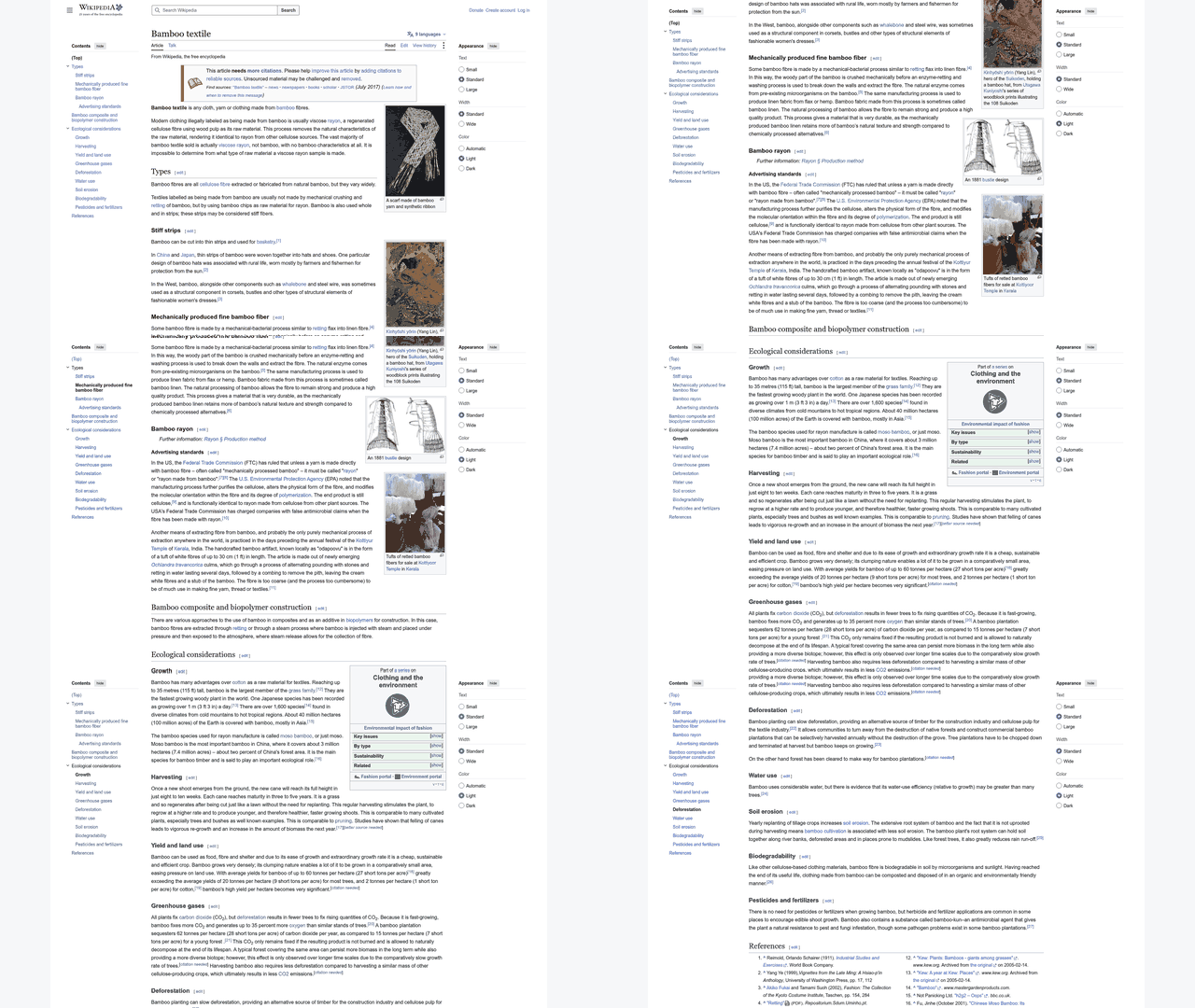
That distinction changes how you should shop for a breathable panty. Let's compare the two fibers across the features that matter when you're sweating.
Which fiber runs cooler at the material level?
Bamboo viscose wins on raw thermal conductivity. It measures 45.04 W/mK versus cotton's 55.27 W/mK, per a warm-environment fabric study. Lower conductivity means the fiber pulls heat away faster.
That same study found bamboo hits the same insulation target with far less bulk. You need only 3 mm of bamboo fabric for 3 clo of insulation, versus 5.9 mm of cotton.
For underwear, that construction advantage is real. A bamboo panty can sit lighter and lower-profile under leggings while behaving the same thermally. When you're building a thin garment, halving the required thickness matters more than the conductivity numbers alone suggest.
Does that cooling advantage survive on your body?
Often it doesn't. When researchers tested whole garments instead of raw fibers, bamboo's edge shrank to nothing.
In head-to-head garment trials, the knit structure and the fit of the underwear played a much larger role in heat dissipation than raw fiber properties. Once the fabric is tailored into activewear, the ventilation from the garment's design tends to equalize any lab-measured thermal difference.
So which finding applies to you? The fiber-level numbers describe the potential; the manikin studies describe reality. Thermal conductivity tells you what the material can do. Worn-garment tests tell you what you'll actually feel during a workout. If you sweat hard, don't expect bamboo to feel dramatically cooler than a well-made cotton pair.
What about moisture and breathability?
Both fibers move moisture better in blends than alone. A review of fabric thermo-physiological behavior found bamboo/cotton blends had better water-vapor permeability than 100% cotton.
The mechanism is contested, and that's worth knowing. One study credits bamboo's high porosity and permeability. The same review argues the opposite: bamboo fibers are less hairy than cotton, giving lower porosity but smoother moisture transport. Everyone agrees bamboo performs well. They disagree on why.
Where bamboo clearly pulls ahead is odor. Both materials let moisture vapor escape at comparable rates, but bamboo's inherent properties help prevent the buildup of sweat smells, which makes it practical for extended wear.
Our practical read after weighing all of it: choose bamboo for high-sweat, high-heat sessions and odor control, and Pima cotton if you want proven comfort and a fabric that shrugs off wash after wash. Neither is a clear winner. The right call depends on your workout intensity, not marketing copy.
One last note on materials. If you're after pure, unblended textiles, remember that activewear needs structural recovery. Without a small synthetic addition for elasticity, a panty will sag and lose its shape during dynamic movements like squats or lunges.
Sweat speed, wear resistance, and fabric weight
Whether bamboo's lab-tested cooling edge holds up when you're moving is worth unpacking. The answer depends on how you measure it, and the gap between the two fibers is smaller than the marketing suggests.
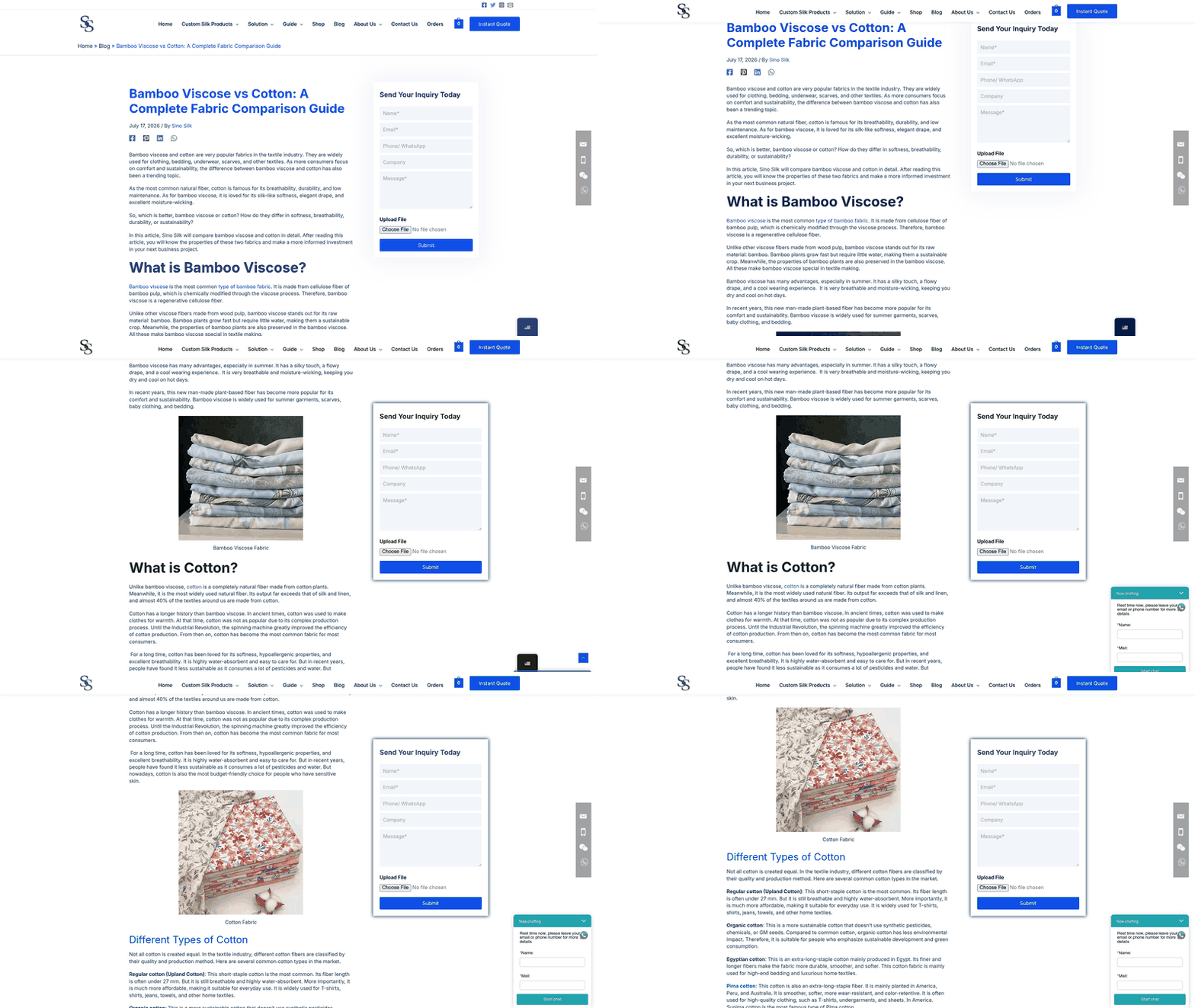
When you shop for a breathable panty, you're really weighing three things: how fast each fiber moves sweat, how it handles repeated washing and hard wear, and how much fabric you need to get the job done. Take them in order.
Which fiber moves sweat faster?
At the material level, bamboo wins on paper. On your body, it's often a tie. Lab tests highlight bamboo's rapid wicking potential, but real-world wear tests show a more nuanced picture.
Two studies pull in opposite directions. One warm-environment comparison found bamboo reduces heat storage in the body versus cotton. But a comparative comfort study found that once moisture levels stabilize, the perceived comfort of both textiles lands close together.
The read: raw fiber conductivity favors bamboo, but once you knit it into a thin garment against sweating skin, both fibers land near parity. Sweat lightly and you won't feel a difference. Get drenched in a hot studio and bamboo's absorbency gives it a slight practical edge.
How do the fibers handle blends and density?
Blending changes the math. Bamboo yarn runs naturally smoother than cotton, which cuts friction against the skin. That sleek surface helps the fabric glide under outer layers, reducing the chafing and surface fuzz that develop during high-friction movement like running.
Wear resistance is worth flagging too. Regenerated bamboo tends to lose more tensile strength when wet than cotton does, so a heavily bamboo-weighted blend can stretch out faster at the waistband under repeated washing. A cotton-dominant blend trades a little moisture efficiency for better shape retention over the garment's life.
One practical caveat: air permeability drops as fabric density and weight climb. A thick, tightly knit panty breathes worse no matter which fiber you pick. Density often matters more than the cotton-versus-bamboo debate itself.
Does bamboo save on fabric weight?
Yes, and this is where bamboo earns its keep for underwear. For equivalent thermal behavior, bamboo lets you get away with a noticeably thinner build, which is why those raw-fiber conductivity numbers translate into a real construction advantage.
For a thin garment worn under leggings, lighter and lower-profile matters more than a conductivity number on a spec sheet. You get a smoother line and less bulk without giving up performance. A leaner knit also dries faster after a sweaty session, since there's less material holding moisture.
So: if you want the leanest, coolest-feeling option for intense sessions, bamboo or a bamboo/cotton blend has a case on paper. If you value proven all-day comfort in a breathable natural fiber, Pima cotton holds its own. The verdict isn't lopsided. It comes down to your sweat level and how thin you want the garment to sit.
One honest carve-out: if your priority is purely organic, minimally processed material, bamboo viscose may not fit. Turning the woody stalk into a soft textile takes chemical processing, so anyone after a completely raw, agricultural fiber will find Pima cotton the truer fit.
The short version
Bamboo viscose wins on paper, cotton wins on your body, and both land in a similar price range. The right choice for your breathable panty comes down to how hard you sweat and how much you care about sustainability.
We pulled the trade-offs into one table so you don't have to hold them all in your head at once.
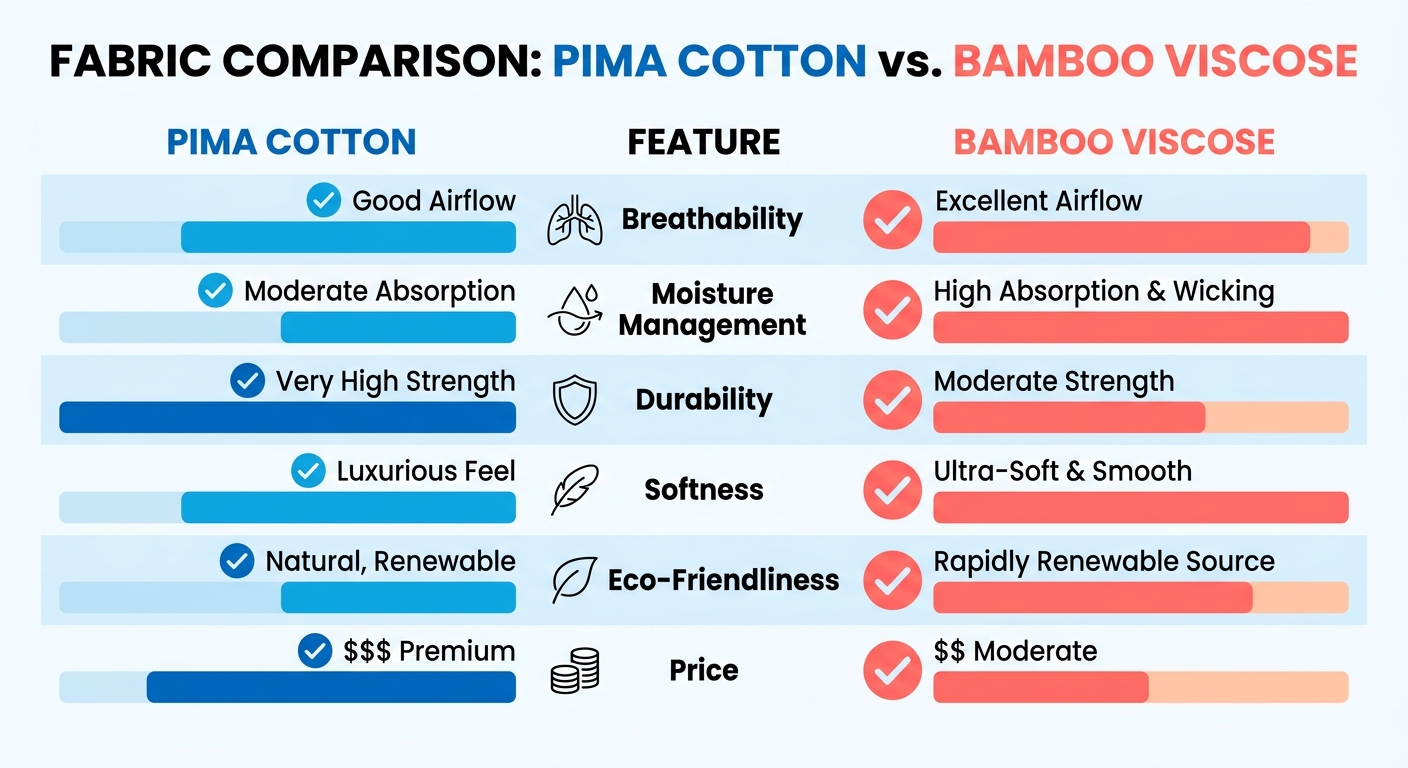
The key differences at a glance
| Feature | Pima Cotton | Bamboo Viscose |
|---|---|---|
| Whole-garment comfort | Parity or slight edge in head-to-head tests | Parity, despite marketing claims |
| Moisture absorbency | Solid, reliable | Very high (wound-care grade) |
| Antibacterial properties | Standard | Better |
| Water to produce 1 kg | Higher (over 20,000 liters cited against cotton) | Lower, faster-growing crop |
| Best for | Low-to-moderate sweat, all-day wear | High-intensity, humid sessions |
| Stretch caveat | Needs a little elastane for form fit | Same |
The biggest myth to clear up is automatic cooling. Bamboo viscose gets marketed as a miracle cooling fabric, but comparative fabric-study data shows that once worn, the actual rate of heat transfer depends heavily on weave and thickness rather than the fiber name alone.
Which fiber should you actually buy?
Match the fiber to your workout intensity, not the label. For humid, sweat-heavy sessions, bamboo's high absorbency earns its place. For everyday wear and lighter movement, cotton's reliable comfort makes it the safer pick.
That absorbency cuts both ways. Bamboo holds onto liquid tightly once it's absorbed. If you aren't generating enough body heat to drive evaporation, that moisture can linger in the fabric. For low-intensity routines, a fiber that releases moisture easily instead of holding it against your skin is often the more comfortable choice.
Everyday wear backs this up. Beyond immediate comfort, think about how the fabric ages. Cotton holds its structure through standard laundry cycles, while delicate regenerated fibers need gentler care to keep from losing texture and shape over time.
How does pricing compare?
Expect a modest premium for either premium fiber over commodity cotton, with bamboo and Pima landing in a similar mid-market range. Neither is the cheapest option on the shelf, and neither should be.
The real cost question isn't the sticker. It's what you're buying the fiber for. Bamboo carries a genuine environmental advantage thanks to its rapid growth cycle and minimal agricultural footprint, as the comparative research details. If your purchasing prioritizes reducing agricultural resource strain, that's a clear win.
One honest carve-out on the sustainability math: bamboo's raw crop is greener, but the chemical-heavy process that turns it into viscose can offset some of that gain unless the maker uses a closed-loop system. Look for a certification like OEKO-TEX or FSC on the label rather than trusting "bamboo" alone. If a lower footprint is your deciding factor, that paperwork matters as much as the fiber itself.
Matching the fabric to how you actually train
The right fabric depends less on the fiber name and more on your activity level. Match the material to your workout intensity, not the marketing on the tag. That single decision saves you the most discomfort.
The short version of what the research suggests across activity levels: a breathable panty in bamboo viscose earns its keep in high-heat, high-sweat sessions. Cotton holds its own everywhere else, and often feels better in low-sweat wear.
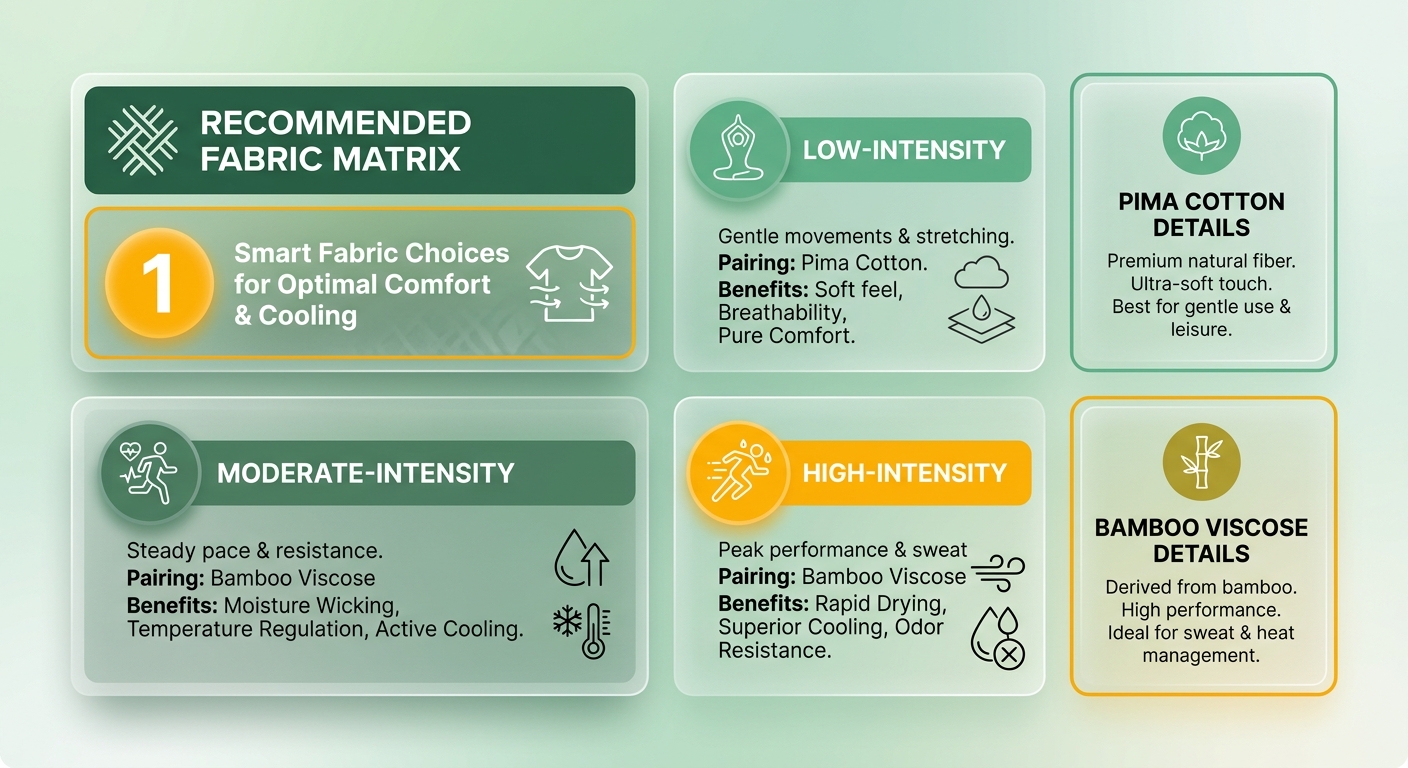
Who benefits most from a bamboo viscose panty?
Pick bamboo if you run hot, train in humidity, or push into high-intensity sessions. The fiber's rapid capillary action makes it effective at managing sudden spikes in perspiration, per a comparative fabric study.
Hot yoga, summer runs, back-to-back cardio classes. In those conditions, absorbency does real work pulling sweat away from skin.
There's a catch worth flagging. Because the material holds moisture so effectively, it needs active body heat and movement to dry out. Without that exertion, the fabric can feel cool and clammy against your skin during sedentary stretches.
Who should reach for Pima cotton instead?
Choose Pima cotton for daily wear, low-to-moderate workouts, and anyone who prioritizes felt comfort over marketing claims. For the average day, sweat output stays low enough that absorbency differences never register on your skin. That's where cotton's steady, balanced feel pulls ahead.
Think about someone who wears activewear as everyday clothing. A morning walk, a stretch session, then a full day of errands spends most of those hours in a low-sweat state. In that pattern, the fiber that stays comfortable across mild conditions matters more than one tuned for peak exertion.
So if you're doing pilates, casual walks, or just want everyday underwear that feels good, cotton wins on value. You get a soft, breathable feel you notice all day, without paying extra for a cooling edge you won't feel.
How do you decide between the two?
Run through three questions before you buy. Each maps to a real difference that holds up in the research.
- How much do you sweat? Heavy, humid, high-intensity favors bamboo's absorbency. Light-to-moderate favors cotton's balanced comfort.
- Does sustainability drive your choice? Bamboo is a self-regenerating grass that needs no pesticides and minimal agricultural intervention compared to traditional cotton crops, per the same comparative research.
- How long is your wear window? All-day wear across shifting temperatures leans cotton, since steady comfort beats a spike in absorbency. Short, intense sessions lean bamboo, where that absorbency peak actually gets used.
Skip the bamboo premium if you mostly wear these for low-sweat days. The cooling story lives at the fiber level, not on your skin. But if you train hard in the heat and care about odor and water use, bamboo is worth it.
References
[1] Inventory of the Thermo-Physiological Behavior of Fabrics—A Review - https://www.scirp.org/journal/paperinformation?paperid=124937
[2] Full article: Analysis of thermal comfort properties of tri-layer knitted fabrics - https://www.tandfonline.com/doi/full/10.1080/15440478.2022.2164107
[3] A comparative study of regenerated bamboo, cotton and ... - https://www.researchgate.net/publication/272444185_A_comparative_study_of_regenerated_bamboo_cotton_and_viscose_rayon_fabrics_Part_1_selected_comfort_properties
[4] the investigation of thermal comfort, moisture management ... - https://www.researchgate.net/publication/273766573_THE_INVESTIGATION_OF_THERMAL_COMFORT_MOISTURE_MANAGEMENT_AND_HANDLE_PROPERTIES_OF_KNITTED_FABRICS_MADE_OF_VARIOUS_FIBRES
[5] Thermal properties of knitted fabrics made from cotton and ... - https://www.researchgate.net/publication/229204069_Thermal_properties_of_knitted_fabrics_made_from_cotton_and_regenerated_bamboo_cellulosic_fibres
[6] (PDF) Comparison of regenerated bamboo and cotton ... - https://www.researchgate.net/publication/316703646_Comparison_of_regenerated_bamboo_and_cotton_performance_in_warm_environment
Frequently Asked Questions
1. Can I machine wash bamboo viscose panties as often as cotton ones?
While both can go in the washing machine, bamboo fibers are more delicate when saturated. To prevent stretching or warping, it is best to wash bamboo underwear on a gentle cycle and lay them flat to dry. Cotton is naturally more resilient to the agitation of standard wash and dry cycles, making it easier to care for over the long term.
2. Is bamboo viscose considered a natural fiber for sensitive-skin or non-toxic needs?
Though it starts as a natural plant, the manufacturing process uses solvents to dissolve the bamboo pulp before spinning it into yarn. If your skin is highly sensitive to processing residues or you prefer completely unaltered agricultural fibers, organic Pima cotton is the cleaner, more straightforward choice.
3. Why does a bamboo panty feel damp during light activity if bamboo absorbs more moisture?
Bamboo fibers act like a sponge, holding onto moisture within their core. During low-intensity activities, your body doesn't generate enough heat to evaporate this trapped liquid, leaving the fabric feeling cool and heavy. Cotton releases moisture into the air more readily under low-sweat conditions, keeping you feeling dry.
4. Does a thinner bamboo panty actually breathe better than thicker cotton?
Yes, because fabric thickness is a major barrier to airflow. Since bamboo can achieve the same level of thermal insulation with a much thinner knit, it allows for a lighter garment design. This reduced bulk naturally facilitates better airflow and faster drying times compared to a heavier, more densely woven cotton alternative.
5. Does buying "bamboo" automatically mean a lower environmental footprint?
Not necessarily. While the raw plant is highly sustainable, the environmental impact depends heavily on the factory's chemical management. Responsible manufacturers use closed-loop systems that capture and recycle the processing solvents rather than releasing them into the environment. Checking for independent environmental verifications is the best way to confirm a brand's eco-friendly claims.
6. Do I need elastane in either fiber for a form-fitting panty?
Yes. Neither raw cotton nor processed bamboo possesses natural elastic recovery. Without a small blend of stretch-providing synthetic fibers, the leg openings and waistband will stretch out and sag during movement. A stretch content blend is essential for activewear to stay securely in place.
7. Which fiber is better for back-to-back workout sessions without rewashing?
Bamboo is the superior choice for multi-wear scenarios. Its fibers contain natural agents that inhibit the growth of odor-causing bacteria, keeping the garment smelling fresh even after a hard workout. Cotton tends to hold onto sweat residue and organic matter, which can lead to rapid odor development if not washed immediately.