6 Workouts Where Pima Cotton Wins, and 2 Where It Doesn't
November 17, 2026
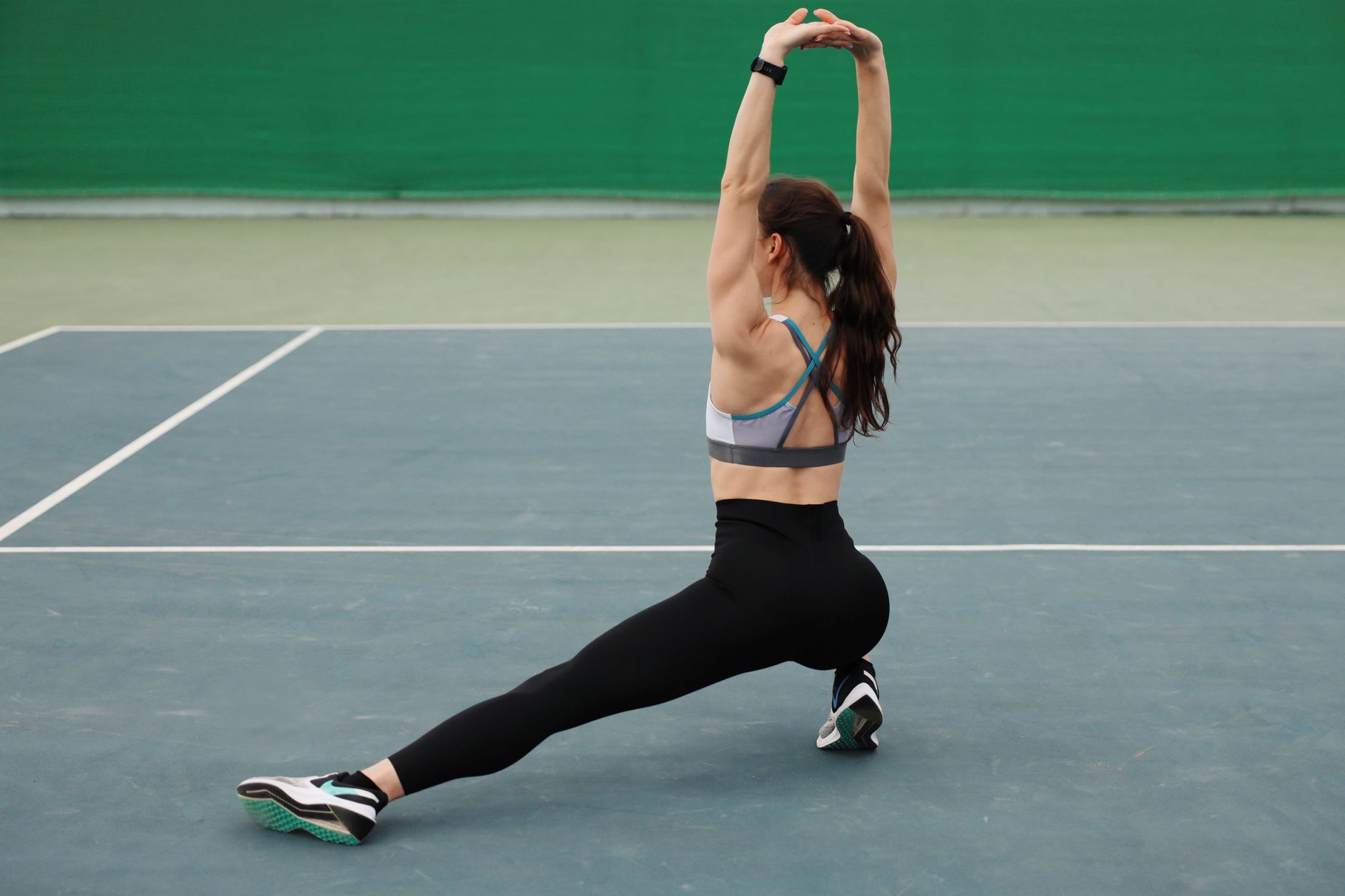
TL;DR
- Pima cotton's long fibers absorb odor-causing bacteria more effectively than polyester, keeping clothes fresher during low-intensity sessions.
- Breathability and moisture-wicking are distinct properties; Pima excels at airflow but lacks the sweat-transport speed synthetic blends provide.
- Yoga and Pilates make up a significant portion of many women's weekly training routines, making them good use cases for Pima cotton.
- High-intensity cardio and sprint drills produce sweat faster than cotton can dry it, causing the fabric to become heavy and clingy against skin.
Quick Summary
Pima cotton shines brightest in workouts where comfort and breathability matter more than maximum sweat management—think yoga, Pilates, and restorative stretching. For these gentle-paced activities, Pima cotton's natural softness and breathability create a luxurious feel without the synthetic touch.
But here's where Pima cotton hits its limits: high-intensity cardio and sprint drills demand true moisture-wicking—the kind that actively transports sweat away from your skin and dries fast. Cotton absorbs and holds sweat, making it heavy and clingy when sweat volume exceeds its absorption speed. That's the difference between breathability (air flowing through fabric) and moisture-wicking (fibers actively pulling sweat away).
Most of us do a mixed weekly routine: a blend of strength sessions, high-intensity work, and gentler practices like Pilates or yoga. That's where luxury cotton athleisure becomes realistic. You'll reach for your Pima pieces during your lower-intensity days, with a synthetic-blend top reserved for your high-intensity sessions.
Why Pima Cotton Matters for Your Workouts
Pima cotton feels luxurious against your skin, but more importantly, it breathes in ways that matter for how you move. That combination of breathability and odor control is what sets Pima apart for low-impact work.
Here's the catch: breathability and moisture-wicking are not the same thing. According to textile research, breathability means air flows through fabric; moisture-wicking means fibers actively pull sweat away and spread it across the surface to dry fast. Pima cotton excels at the first. For activities where sweat volume stays moderate—yoga flows, Pilates mat work, restorative stretching—Pima's superior bacterial absorption means your clothes stay fresher even as moisture sits in the fabric longer.
When intensity spikes, this becomes a liability. In high-intensity cardio or sprint drills, your body produces sweat faster than any cotton can dry it. The fabric gets heavy, clings to your skin, and that's when synthetic fabrics engineered for moisture-wicking outperform it. This is why brands like Lululemon pair Pima with Lycra for hot yoga—the blend keeps the softness you want while adding just enough stretch and faster drying for the intensity you're doing.
Luxury cotton athleisure works beautifully when the workout matches the fabric's strengths. Choose Pima for sessions where comfort and freshness matter more than speed-drying. Skip it for anything where sweat volume is the main challenge.
Gentle Flow & Core Workouts: Where Pima Cotton Shines
When you step into a yoga flow or settle onto a Pilates mat, you're not pushing your body to its limit—you're moving through a controlled range of motion at a steady, sustainable pace. That's where Pima cotton shines. In these low-impact environments, Pima's natural breathability and softness create a comfort experience that synthetic blends simply can't match, especially during longer sessions where you're holding poses and controlling every breath.
The distinction matters because yoga and Pilates demand something different from your fabric than sprint work does. In a typical weekly routine, many women include a few days of Pilates and yoga—meaning these workouts make up roughly a third of your training week. During a typical yoga flow, your body generates moderate sweat over an extended period, not the sudden deluge you'd get from high-intensity intervals.
Breathability and moisture-wicking are not the same thing. Pima cotton breathes—air flows through it naturally—but it doesn't actively wick sweat away from your skin like engineered synthetic fibers do. For Pilates and yoga, that distinction works in Pima's favor. Your sweat volume stays manageable, the fabric dries reasonably fast between poses, and you get the softness that turns a 60-minute session into something you actually look forward to rather than endure.
Pilates especially benefits from fabric that moves with your spine and doesn't resist the controlled contractions that define the practice. Many women choose Pima because it doesn't fight their body. When you're lying on a mat focusing on core engagement, the last thing you want is fabric tension or synthetic cling pulling your attention away from your form.
Low-Heat Cardio & Outdoor Moves: More Wins for Pima
Walking, gentle cycling, and beginner aerobic dance sit in a sweet spot for Pima cotton. These low-intensity cardio sessions keep your heart rate steady without overwhelming your body's cooling system—and that's exactly where Pima thrives. During a 30–45 minute walk or casual bike ride, your sweat output stays moderate, which means moisture moves through the fabric at a pace Pima can actually manage.
Pima's natural breathability lets air circulate freely, keeping you cool as you move. True moisture-wicking—the kind that actively transports sweat away and dries fast—requires synthetic fibers engineered specifically for that job. For low-heat cardio, breathability is what you actually need. The sweat volume is modest enough that Pima's superior odor absorption works in your favor; moisture sits longer in the fabric, but there's less of it, so the fabric stays comfortable rather than heavy.
Why Low-Intensity Cardio Suits Pima
Beginner aerobic dance and casual cycling demand fabric that moves with you without restriction. Long-fiber Pima cotton delivers stretch and mobility when blended with just enough elastane—think of it as the luxury counterpart to standard cotton-blend basics. You get the softness and breathability of a natural fiber without the stiffness that can limit your range of motion. Over 30–45 minutes, as you're learning steps or settling into an easy pedal, the fabric stays light and doesn't cling, even as a thin layer of moisture builds.
The real win emerges in how Pima handles the transition after your session. Unlike synthetic fabrics that dry fast but can feel clingy or slippery against skin, Pima dries at a gentle pace that feels natural. You finish your walk or ride, and your top doesn't feel soaked or weighted down—it's just slightly damp. That comfort carries over when you move from the gym to errands, making the same piece genuinely wearable for casual outdoor time. This is why low-intensity cardio in Pima often becomes a wardrobe staple: one piece earns its place by working equally well during and after activity.
High-Intensity & Heavy Lifting: When Cotton May Lag
When you push into high-intensity interval training or heavy barbell work, Pima cotton reveals its biggest limitation: it simply can't move sweat away from your skin fast enough. During a 20-minute HIIT session, your body generates sweat volume that overwhelms Pima's absorption capacity, leaving the fabric soggy, heavy, and clinging to your skin—exactly the opposite of what you need when you're moving explosively or lifting near your max.
Performance fabrics engineered specifically for moisture management pull sweat away from your skin and spread it across a larger surface to evaporate faster. Pima cotton does the opposite—it absorbs moisture and holds it close to your body. Pima excels at the first; synthetics dominate the second.
Why Heavy Lifting and Sprint Work Are Different
Barbell work and HIIT circuits both demand stretch and durability that Pima struggles with. Heavy lifting creates friction and shear stress on fabric seams and fibers—especially across the shoulders, chest, and where your arms move. Pima cotton has limited stretch compared to engineered blends containing elastane, so repeated explosive movements can leave seams stressed and fabric integrity compromised over time. When wet, which it will be during these workouts, Pima becomes even heavier and more prone to friction-related wear.
Sprint intervals and box jumps require your clothing to recover its shape instantly as you move. Synthetic blends with elastane snap back; Pima, once stretched under load while damp, takes longer to recover. That lag affects how the fabric moves with your body, breaking the fluid connection between you and your gear.
When Pima Still Works (Even at High Intensity)
You don't have to abandon Pima entirely on your high-intensity days. Many athletes find that layering works well for managing moisture while keeping comfort close to the skin. Wear a fitted Pima base layer under a synthetic performance shell—the Pima stays against your skin where its softness and natural odor-control properties shine, while the outer layer manages the heavy moisture load. Most weekly training routines include a mix of intensity levels, which means you're working at low-to-moderate intensity on many days. Reserve pure synthetic pieces for your sprint sessions, and Pima pieces work beautifully across the rest of your week.
Fabric Face-Off: Pima Cotton vs Common Synthetic Blends
Pima cotton and synthetic blends aren't really competitors—they're built for completely different jobs. Pima cotton absorbs more odor-causing bacteria than polyester, which keeps you fresher during slower, longer sessions. But breathability and moisture-wicking are not the same thing—and this distinction is what decides where each fabric truly wins.
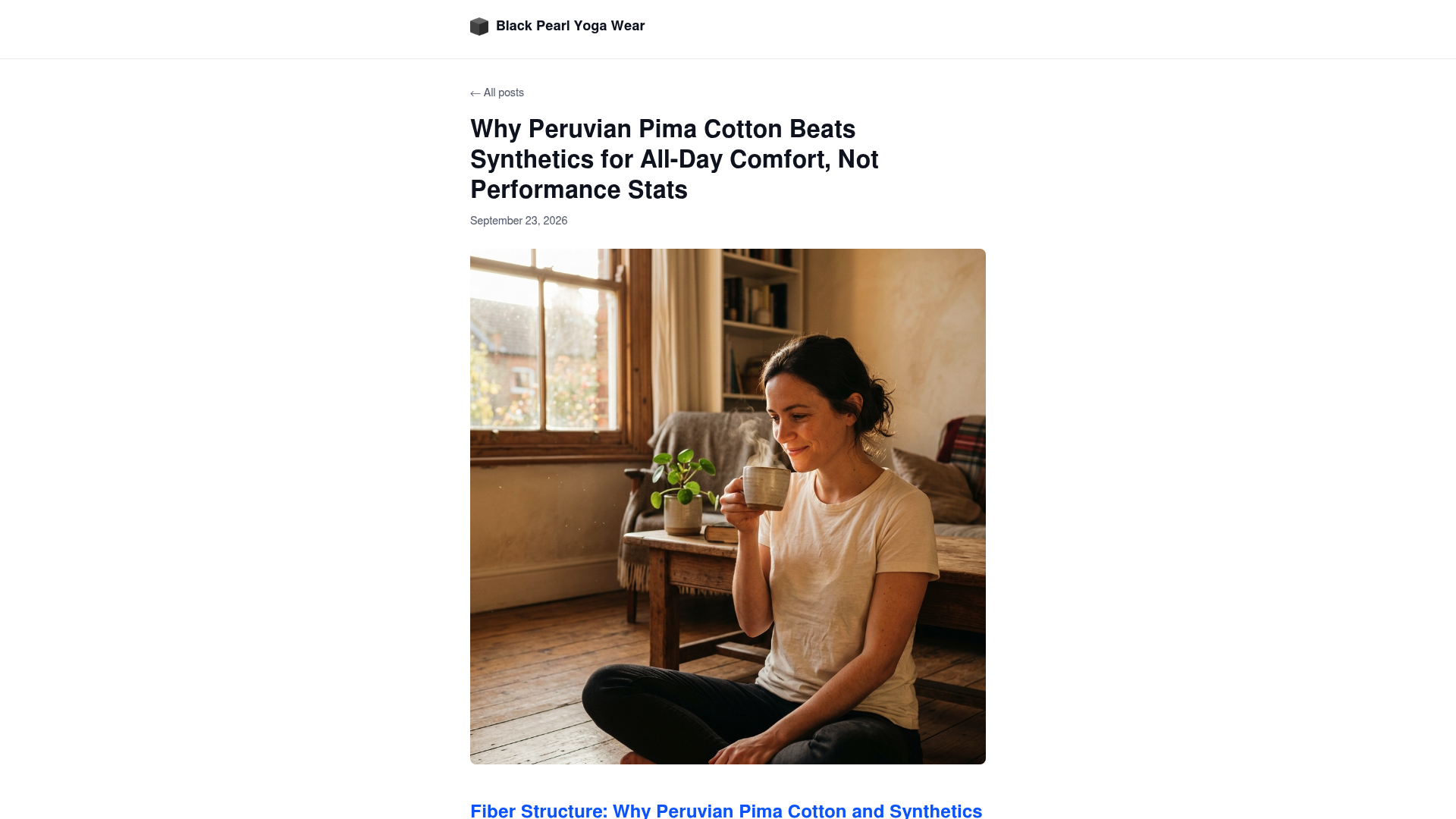
Pima's long fibers create natural airflow, but they absorb and hold moisture rather than transport it away. Synthetics engineered with polyester or elastane actively pull sweat from your skin and spread it across the fabric's surface to evaporate faster. During a 30-minute walk or gentle Pilates session, that difference barely matters. During a 20-minute sprint workout, it's the difference between comfort and clinging.
What Pima cotton offers you
You're not generating sweat faster than the fabric can handle, so the natural breathability of the fibers becomes an asset—you stay fresher longer without that sticky synthetic feel. For workouts designed around ease and mindfulness, this is exactly what comfort means.
Where synthetic blends take over
A balanced weekly routine typically includes 2 to 3 days of strength training, 1 day of HIIT, and 1–2 days of Pilates or yoga. On the high-intensity days—sprints, HIIT circuits, heavy lifting—cotton becomes heavy and clingy because sweat volume overwhelms its absorption. Synthetic blends with stretch built in handle that job cleanly. A thoughtful wardrobe often pairs the two: reaching for Pima pieces during your slower-paced sessions and turning to synthetic blends when speed and sweat management matter most. That's not settling; that's being smart about what each fabric actually does.
References
[1] Cotton Workout Clothes: Comfort vs Performance Guide - https://www.fioboc.com/en-mx/blogs/fabricnology/cotton-workout-clothes-performance-guide?srsltid=AYCX9vJiEAuDmgAI3QfmtBug0CqMlbcKbjXtaYR6ATrRhxMeSw6_9vG3
[2] 5 Hot New Workout Fabrics to Keep You Cool - https://dailyburn.com/life/tech/workout-clothes-new-cooling-fabrics/
[3] Cotton vs Performance Fabrics: Which Is Better? - Base Element - https://www.google.com/goto?url=CAESwQEBxCJF12GIQTv89j5aaMdFYXo0XjpjQ887IAG4TTPIivS__uKl2rQKa2qO5ti4vCKEbsAuDhClZ3t8AT6sBwcGjUXo3bk5lq1LER95fMQeoAM2oCrFKNUKlwtteP242sTbiwrimKGJDPCeNPOPwmwsoyyEbKpVGa2u7qs9wo3i2oql66FXEHyA6K0z-m7hF1P6Xm7wFOKN0tZ8KLPcgHTIbrhpM-hOm61mBibmYRdwBwjrZjRj5sZ6v7qU1w90sIZV&gsessionid=MYb4dW-fpbur4dzxjs6lpJ7s1qFmPrmvzwa3wHj0ePwYQE606xwkCA
[4] HIIT vs Strength Training vs Pilates vs Yoga - https://villageclubs.com/blog/2026/11/10/blog-hiit-vs-strength-training-vs-pilates-vs-yoga/
FAQ
Is Pima cotton completely wrong for high-intensity workouts, or can I still wear it sometimes?
Pima cotton works fine for high-intensity days if you layer it strategically. Wear fitted Pima as a base layer under a synthetic performance shell—the Pima stays soft against your skin while the outer layer manages heavy sweat. Most weekly routines mix intensity levels anyway, so this approach lets you enjoy Pima's comfort across your full training week without compromise.
How do I know if a workout is low-intensity enough for Pima cotton?
If your session lasts 30–45 minutes and keeps your sweat output moderate—think yoga flows, Pilates mat work, casual cycling, or walking—Pima handles it well. The key difference is sweat volume. Pima absorbs moisture without the weight penalty as long as your body isn't generating sweat faster than the fabric can manage. High-intensity intervals and heavy lifting exceed that threshold.
Why does Pima feel fresher than synthetic blends if it doesn't dry faster?
Pima's long fibers absorb odor-causing bacteria more effectively than polyester does, which keeps you fresher even though moisture lingers longer in the fabric. For low-intensity workouts where sweat volume stays manageable, that superior odor control matters more than speed-drying. You stay fresher during the session itself—the fabric's natural properties work in your favor when intensity is low.